



|
Getting your Trinity Audio player ready...
|
Unveiled Tactics: Secret Hamas Document Exposes Manipulative Ceasefire Strategy and Psychological Warfare
Edited by: Fern Sidman
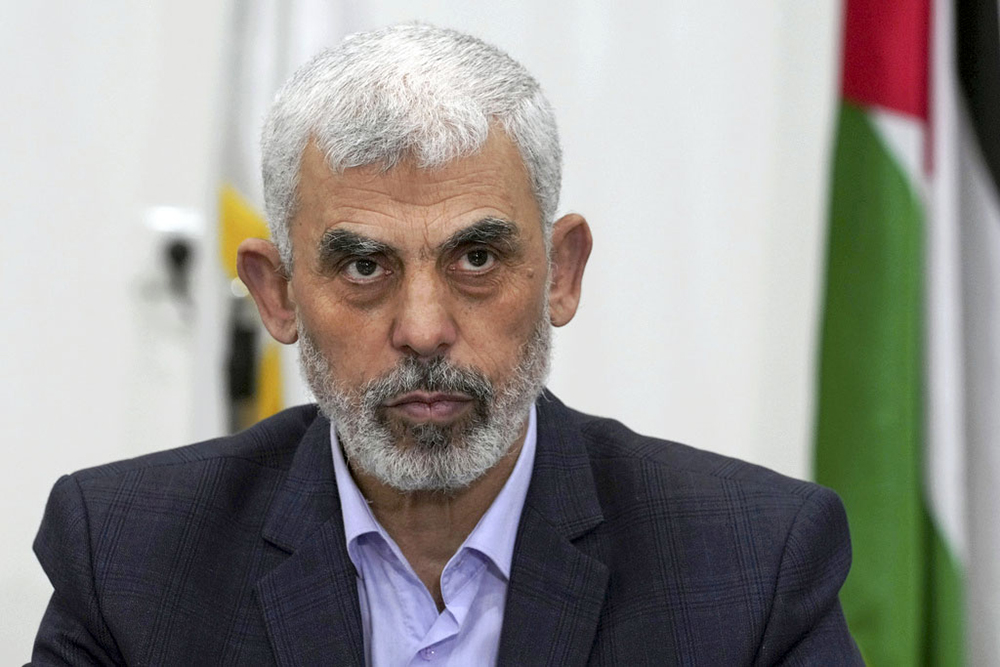
A recently uncovered document, obtained by Bild, the prominent German newspaper, sheds light on Hamas’ calculated and manipulative approach to conflict, ceasefire negotiations, and the broader psychological game it plays both regionally and internationally. The document, a striking exposé of Hamas’ strategic deception, was discovered on a computer in Gaza and bears the signature of Yahya Sinwar, the notorious leader of Hamas in Gaza. The contents of the document lay bare the organization’s cynical tactics, revealing its intent to prolong the war while exploiting the humanitarian crisis for political and military gain.
Dated to the spring of 2024, this document, personally approved by Sinwar, outlines how Hamas approaches ceasefire talks not as a means to alleviate the suffering of Gaza’s residents, but as a tool to further its own military objectives. This is a disturbing glimpse into the mindset of an organization whose actions are marked not by concern for its people, but by the ruthless preservation of its ability to wage war against Israel.
Hamas’ strategy, as revealed in the document, revolves around using ceasefire negotiations as a weapon in itself. Far from seeking an end to the hostilities that have caused immense suffering in Gaza, Hamas’ objective is to delay and manipulate these talks, ensuring they stretch out over time. This delay is not incidental but a deliberate tactic to buy time, strengthen its military capabilities, and secure more favorable terms, even if it means prolonging the agony of Gaza’s civilian population.
Ceasefire negotiations, therefore, are not the avenue to peace and relief as they are often portrayed in the international arena. Rather, they are a calculated ploy by Hamas to exert pressure on Israel, playing to global humanitarian sentiments while simultaneously rearming and reorganizing their forces. This manipulation works on several fronts. Firstly, by drawing out ceasefire talks, Hamas forces Israel into a protracted state of readiness, straining its military and political systems. Secondly, this delay tactic allows Hamas to stoke international outrage against Israel, particularly as the humanitarian situation in Gaza worsens under the strain of ongoing conflict.
One of the most cynical elements of Hamas’ strategy, as outlined in the document, is its continued psychological warfare against the families of Israeli hostages. The document details how Hamas plans to exploit the emotional torment of these families to increase public pressure on the Israeli government. By intentionally prolonging the uncertainty surrounding the fate of these hostages, Hamas seeks to force Israel into making political and military concessions.
A key tactic is the planned use of the Red Cross to visit some of the hostages during the second phase of negotiations. This so-called “goodwill gesture” is not driven by humanitarian concern, but by a calculated attempt to manipulate public sentiment. By allowing the Red Cross to visit the hostages, Hamas can send selective messages to their families, offering a glimmer of hope while extending the ceasefire and buying more time to recover militarily. This gesture, far from being an act of compassion, is designed to prolong negotiations, exert emotional pressure on Israel, and present Hamas as a reasonable actor in the eyes of international mediators.
This form of psychological warfare is not merely a byproduct of war; it is a deliberate part of Hamas’ strategy to weaken Israel’s social and political fabric. By keeping Israeli hostages in a state of limbo, Hamas increases domestic pressure on the Israeli government, thereby seeking to influence political decisions and military responses.
Contrary to the image Hamas attempts to project as a protector of Palestinian rights, the document reveals that the organization’s leadership is willing to sacrifice the wellbeing of Gaza’s civilian population to preserve its military strength. In fact, the humanitarian crisis in Gaza is not a concern for Hamas, but rather an opportunity to wield international sympathy as a weapon against Israel.
The prolongation of the war is, according to the document, a key element of Hamas’ strategy. Not only does it allow for the exhaustion of Israel’s military capabilities, but it also increases pressure from the international community for Israel to relent. As the crisis deepens, calls for an immediate ceasefire grow louder, often without recognition of Hamas’ intentional role in prolonging the violence. The manipulation of this sentiment allows Hamas to frame itself as the victim of Israeli aggression, all while it prepares for further military engagements.
The revelations contained in this document are not just an indictment of Hamas but also a stark reminder of the complexities that surround ceasefire negotiations in asymmetric warfare. Hamas’ refusal to seek a swift end to the conflict, coupled with its strategic exploitation of international sympathy, puts both Israel and the international community in a difficult position.
Ceasefire talks, under these circumstances, are not negotiations in good faith, but rather a means for Hamas to strengthen its position while inflicting damage on its adversary. The international community, often eager to broker peace, risks playing into Hamas’ hands by pressuring Israel to make concessions under the guise of humanitarian concern. This, in turn, can embolden Hamas, encouraging them to continue their tactics of delay and deception.
What emerges most starkly from the document is Hamas’ cold indifference to the suffering of the Palestinian population in Gaza. The document outlines how the organization remains committed to prolonging the conflict, even as Gaza faces immense destruction. Thousands of civilians have already lost their lives, and the humanitarian crisis continues to worsen, with infrastructure decimated and essential services on the verge of collapse. Yet Hamas’ leadership, as demonstrated by this document, seems untroubled by the plight of the Palestinian people, viewing the devastation merely as a necessary backdrop to their broader military ambitions.
This callous disregard is not merely an oversight but a deliberate component of Hamas’ larger strategy. The leadership views the ongoing humanitarian crisis as leverage, a tool to manipulate international opinion and frame Israel as the sole aggressor in the eyes of the global community. The suffering of Gaza’s residents is thus exploited, not to bring about peace or relief, but to strengthen Hamas’ position in negotiations and to further its military aims.
The document also outlines Hamas’ strategic manipulation of the international community, with the goal of strengthening its military position while ensuring that Israel is blamed for any breakdown in negotiations. One of the key proposals is the deployment of Arab forces along Gaza’s eastern and northern borders with Israel. These forces would act as a buffer, preventing Israeli forces from entering Gaza while Hamas works to fully restore its military capabilities.
This proposal is part of a broader effort by Hamas to delay the end of the conflict while projecting an image of openness to international mediation. By proposing the introduction of Arab forces, Hamas can portray itself as a willing participant in peace efforts, while in reality, it seeks to exploit this buffer zone to rebuild its military strength away from Israeli scrutiny. Furthermore, by framing the proposal in humanitarian terms, Hamas aims to shift international pressure onto Israel, forcing it into a position where any refusal to agree to the plan is portrayed as an obstacle to peace.
In this way, Hamas seeks to play the international community like a pawn in its broader strategic game, using diplomacy and ceasefire talks as a smokescreen to achieve its military objectives.
A critical component of Hamas’ strategy, as laid out in the document, is its plan to ensure that Israel is blamed for any failure in negotiations. The organization intends to frame Israel as the primary obstacle to peace in public statements, specifically targeting an American-backed deal that has been in the works. By manipulating public perception, Hamas aims to deflect any responsibility for the continuation of hostilities onto Israel, all while continuing its military preparations behind the scenes.
This tactic of shifting blame is not new, but the document highlights just how central it is to Hamas’ strategy. The organization knows that by shaping the narrative around failed negotiations, it can maintain the support of its regional allies and fuel anti-Israel sentiment in the broader international arena.
Curiously absent from the document, however, is any mention of the Philadelphi Route, an issue that Hamas has publicly emphasized in recent negotiations. This absence raises significant questions about Hamas’ true priorities. While the organization has frequently pointed to the Philadelphi Route as a central point of contention in negotiations, its omission from this strategic document suggests that Hamas’ focus lies elsewhere—specifically on military and strategic gains, rather than addressing the broader humanitarian concerns it claims to champion.
This omission underscores the reality that Hamas’ leadership is far more concerned with securing its military position than with alleviating the humanitarian crisis in Gaza. The public emphasis on the Philadelphi Route may be little more than a negotiating tactic, intended to distract from the organization’s true focus on rearming and preparing for future conflicts.

The West won the world not by the superiority of its ideas or values or religion […] but rather by its superiority in applying organized violence. Westerners often forget this fact; non-Westerners never do.
Samuel P. Huntington
I have to agree with M McL