



|
Getting your Trinity Audio player ready...
|
By: Jason Ostedder
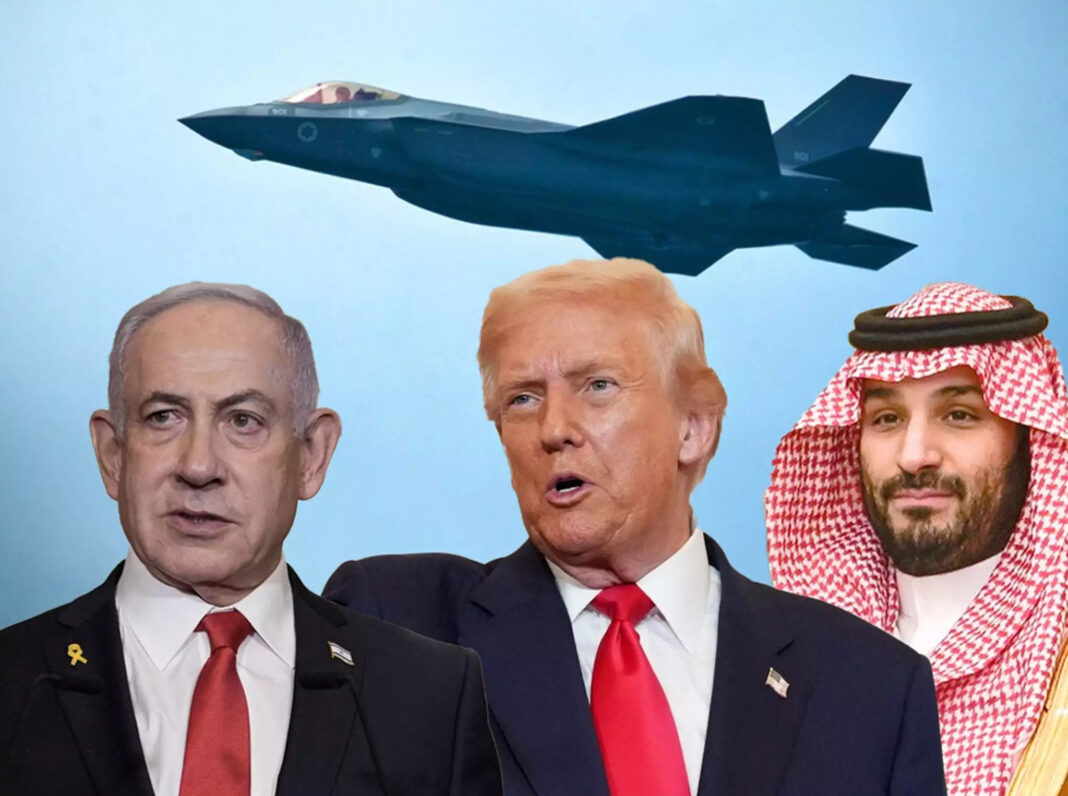
President Donald Trump confirmed on Monday that the United States will move forward with the sale of advanced F-35 stealth fighter aircraft to Saudi Arabia, a landmark decision that could reshape the strategic balance of power in the Middle East. The announcement, made during remarks to reporters ahead of his meeting with Saudi Crown Prince Mohammed bin Salman, has drawn immediate concern from Israeli officials, who have long opposed the transfer of such cutting-edge military technology to regional Arab states.
“I am planning on doing it,” Trump said in response to a question about the Saudi request to purchase the fifth-generation fighter jets. “They’ve been a great ally. We’ll be selling F-35s.”
The deal, which could be worth tens of billions of dollars, would mark the first time Saudi Arabia acquires the U.S.-built F-35, considered the world’s most advanced stealth multirole combat aircraft. The decision underscores the deepening security partnership between Washington and Riyadh as both nations seek to solidify a post-Iran regional security framework following Tehran’s military setbacks in recent years.
According to a report on Monday at Israel National News, the sale has been under quiet discussion for several months, with Saudi defense officials pressing Washington for inclusion in the select group of U.S. allies authorized to operate the F-35. Israel, however, has voiced sharp opposition to the move, warning that it could erode its long-standing Qualitative Military Edge (QME) — the principle that guarantees Israel’s ability to maintain military superiority over potential adversaries in the region.
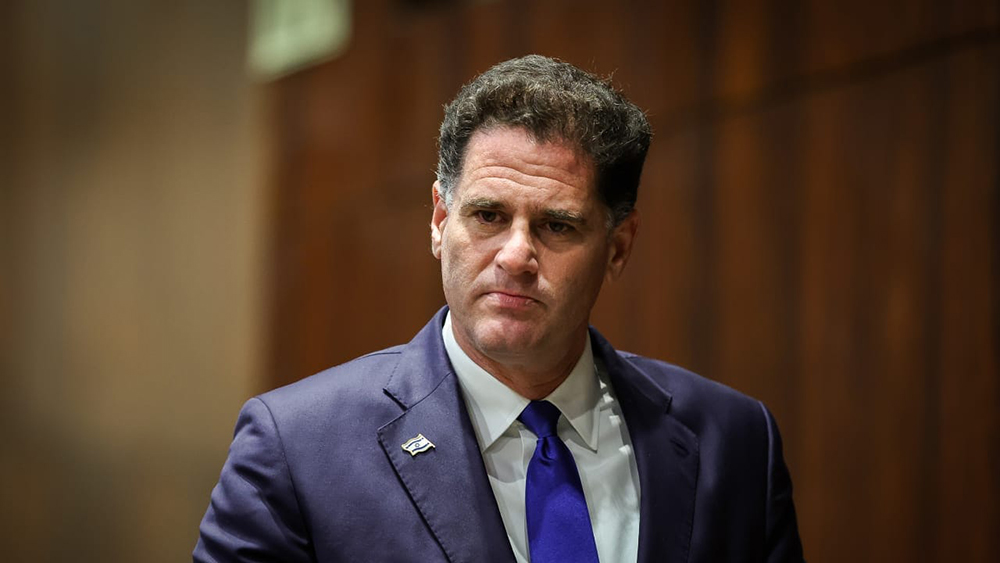
As Israel National News reported, outgoing Strategic Affairs Minister Ron Dermer traveled to Washington last week to meet with senior members of the Trump administration and convey Jerusalem’s objections. During his meetings, Dermer emphasized that Israel’s concerns were not rooted in distrust of the United States, but in the unpredictable nature of regional alliances and the potential for technology leakage to hostile actors.
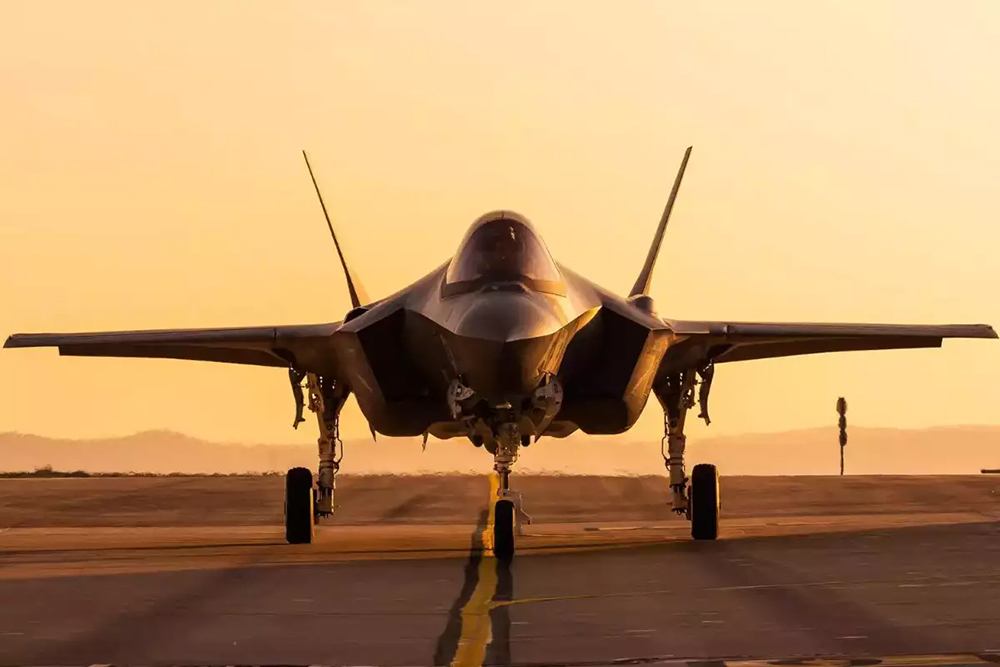
According to Kan News, Dermer told U.S. officials that Israel fears sensitive American and Israeli-developed technologies embedded in the F-35 could be compromised, particularly given Saudi Arabia’s expanding defense cooperation with China and Russia. These partnerships, Israeli officials argue, increase the risk that advanced U.S. systems could eventually fall into the hands of adversaries or be reverse-engineered by foreign intelligence services.
Dermer reportedly warned that such a sale would not only threaten Israel’s operational superiority in the skies but could also “set a precedent” for future arms transfers to other regional powers seeking similar treatment.
“Our qualitative edge is not a privilege but a necessity,” one Israeli defense source told Israel National News. “If advanced platforms like the F-35 are distributed broadly across the Middle East, it dilutes the very foundation of Israel’s security doctrine.”
The Trump administration views the F-35 deal as part of a broader strategic realignment in the Middle East — one aimed at further integrating Saudi Arabia into the U.S.-led security architecture and encouraging its deeper normalization with Israel under the framework of the Abraham Accords.
As the Israel National News report highlighted, the United States has already approved F-35 sales to the United Arab Emirates (UAE) following its normalization agreement with Israel in 2020. However, Israel was granted parallel access to enhanced F-35 variants and additional security assurances to maintain its technological edge.
Analysts in Washington told Israel National News that a similar arrangement could emerge in this case, whereby Israel receives expanded defense guarantees or upgraded military systems in exchange for quietly accepting the Saudi purchase.
Still, the sensitivity surrounding Saudi Arabia’s relationship with U.S. adversaries complicates the matter. Riyadh has recently deepened its engagement with Beijing, particularly in energy cooperation and technology exchange, and has purchased Russian military hardware in recent years. These factors have raised alarms within both Israeli and U.S. defense circles about the risks of classified information exposure.
Despite these concerns, administration officials have defended the proposed sale as a step toward regional stability. “The F-35 sale will serve U.S. strategic interests,” one senior U.S. defense official told Israel National News, emphasizing that a militarily capable Saudi Arabia aligned with Washington could act as a bulwark against renewed Iranian aggression.
President Trump is scheduled to meet Crown Prince Mohammed bin Salman on Tuesday at the White House, with the F-35 agreement expected to dominate the discussion. The meeting will also address Saudi Arabia’s growing role in regional diplomacy, including its participation in the U.S.-backed security framework envisioned under the next phase of the Abraham Accords.
According to reports cited by Israel National News, the two leaders will discuss a potential timeline for delivery of the aircraft, which could involve a phased procurement process beginning as early as 2027. The discussions are also expected to cover joint counterterrorism initiatives, defense industrial cooperation, and Saudi investments in American aerospace manufacturing.
White House sources told Israel National News that the administration views the sale as both an economic and geopolitical achievement, deepening defense-industrial ties while expanding the circle of moderate Arab nations aligned with U.S. strategic objectives.
For Saudi Arabia, acquiring the F-35 represents not only a technological leap but also a symbolic acknowledgment of its growing influence as a regional power. The aircraft would provide Riyadh with next-generation stealth and reconnaissance capabilities, significantly upgrading its existing fleet of F-15s and Eurofighter Typhoons.
The sale presents one of the most significant tests of U.S.-Israel defense coordination since the establishment of the Abraham Accords. For decades, Washington has maintained an informal policy — later codified by Congress — to ensure that no U.S. weapons sale to a Middle Eastern nation undermines Israel’s QME.
As the Israel National News report noted, Israeli officials are now seeking further clarification from Washington regarding how this policy will be upheld in light of the Saudi deal. Defense analysts warn that even if Israel receives compensatory upgrades or intelligence-sharing assurances, the mere proliferation of F-35 platforms among Arab militaries could complicate regional air operations and future deterrence calculations.
Senior Israeli defense figures have urged continued dialogue with Washington to preserve Israel’s technological edge, suggesting that additional joint research programs and advanced system integrations could serve as partial mitigation.
The F-35 sale to Saudi Arabia, while still pending final congressional review, marks a pivotal moment in Middle Eastern defense diplomacy. It signals a possible shift toward broader military parity among U.S. allies in the region — a development welcomed by some as a stabilizing measure but viewed by others, particularly in Israel, as a potential long-term strategic risk.
As Israel National News reported, Israeli leaders are expected to continue pressing their case in Washington in the coming weeks, urging the U.S. to maintain the strictest safeguards over technology transfer and operational access.
With the Trump–bin Salman meeting set to finalize key aspects of the deal, the outcome could redefine both Israel’s security posture and the balance of air power across the Middle East — a transformation that, as Israeli officials have repeatedly cautioned, must proceed with the utmost care to preserve the Jewish state’s enduring defensive edge.
Israeli Opposition to Sale
A prominent American pro-Israel organization has issued a strong warning to U.S. policymakers over proposed arms sales to Saudi Arabia, arguing that the transfer of advanced F-35 stealth fighter jets to Middle Eastern monarchies poses grave risks to both American and Israeli security interests.
In a detailed statement released on Sunday, Americans for a Safe Israel (AFSI) urged Congress to act immediately to prevent any future sale of U.S. F-35s or other advanced weapon systems to authoritarian regimes in the Gulf region. The group, which has long been a stalwart advocate for Israel’s security and a vigilant critic of American arms transfers to unstable governments, said the potential deal with Saudi Arabia could lead to unintended and catastrophic consequences.
“Putting F-35s in the hands of Arab dictators is extremely risky,” declared Moshe Phillips, Chairman of AFSI. “America’s most sophisticated fighter jets should not be sold to authoritarian rulers. Undemocratic regimes are inherently unstable, and that is especially true in the Middle East. What will happen if the dictators of nations such as Saudi Arabia, the UAE, or Bahrain—countries that regularly seek American-made weapons—are replaced by forces hostile to America and Israel? Will the new rulers return those F-35s to the United States? Somehow, I doubt it.”
In its statement, AFSI pointed to a recent Israeli Air Force operation as a sobering reminder of how American weapons can fall into adversarial hands. On June 16, an Israeli drone strike destroyed two U.S.-made F-14 fighter jets stationed at an Iranian airbase, mere minutes before they were scheduled to take off.
The aircraft, originally supplied to Iran decades ago by the United States during the reign of the Shah, had been intended to bolster a then-stable and pro-Western ally. However, those same jets eventually became part of the arsenal of the Islamic Republic of Iran, following the 1979 revolution that brought the country’s current theocratic regime to power.
According to AFSI, the lesson of Iran’s F-14 fleet should serve as a clear warning for policymakers in Washington. “It must be remembered that when America sold the jets to Iran it seemed like a risk-free decision,” Phillips said. “The U.S. did not sell these fighter jets to the current Islamic Republic of Iran, but to the Imperial State of Iran, which existed before the Islamic extremists took power in Tehran in the 1979 revolution. Now is the time for action on Capitol Hill against the sale of advanced U.S. weapon systems to dictator-led regimes in the Gulf.”
AFSI’s statement placed a focus on what it described as a recurring pattern: well-intentioned arms sales to ostensibly friendly governments that later collapse, leaving cutting-edge American weaponry in the hands of hostile actors. The group warned that the volatile political landscape of the Middle East, where governments can shift dramatically within months, makes any such sale particularly perilous.
As one of America’s oldest and most outspoken pro-Israel advocacy groups, AFSI has consistently opposed policies that could erode Israel’s qualitative military edge (QME)—the strategic doctrine ensuring that Israel retains superior defense capabilities over potential adversaries in the region.
AFSI’s leadership expressed concern that providing Gulf monarchies with F-35 fighter jets—widely regarded as the most advanced aircraft in the world—would narrow that edge and potentially compromise Israel’s long-term security.
“Even if today’s Arab regimes are aligned with American interests,” the group cautioned, “there is no guarantee that tomorrow’s rulers will share those priorities.” Saudi Arabia, the UAE, and Bahrain—despite their cooperation with Washington and Tel Aviv in recent years—remain authoritarian states where political dissent is suppressed and power is concentrated in ruling families.
AFSI’s analysis also emphasized the technological and strategic risks associated with transferring such advanced systems. The F-35’s stealth capabilities, combat sensors, and radar-evading technology are among the most closely guarded military secrets in the world. “Once these jets are delivered, there is no way to ensure that their software and systems will not be compromised, reverse-engineered, or shared with hostile powers,” Phillips added.
Some U.S. defense officials have privately voiced similar apprehensions, particularly given the growing defense and intelligence ties between Saudi Arabia and China. Beijing’s involvement in Gulf infrastructure and surveillance technology has raised alarms that any transfer of sensitive American defense systems could inadvertently expose U.S. and Israeli military innovations to Chinese intelligence.
AFSI’s call to action represents part of a broader push among pro-Israel and national security organizations to reassess U.S. arms export policy in the Middle East. Advocates are pressing for new legislative safeguards that would require enhanced congressional oversight before approving sales of cutting-edge weapons to non-democratic states.
“Congress must act to prevent future sales of advanced weapon systems to Middle Eastern authoritarian regimes,” the organization stated unequivocally. According to AFSI, such measures would not only protect American strategic interests but also uphold moral and democratic principles that underpin the nation’s foreign policy.
The group’s stance aligns with growing skepticism in Congress, where several lawmakers—both Republican and Democrat—have expressed concerns about deepening U.S. military entanglements in the Gulf. Recent bipartisan proposals have sought to impose stricter conditions on arms sales, including guarantees that recipient governments respect human rights, maintain transparency, and refrain from intelligence-sharing with U.S. adversaries.
Founded in 1970, Americans for a Safe Israel (AFSI) is one of the oldest and most influential pro-Israel advocacy organizations in the United States. The group’s mission is to promote public awareness of Israel’s security needs and to serve as a counterbalance to anti-Israel propaganda and misinformation.
AFSI operates as an independent educational and advocacy entity, unaffiliated with any political party in either the United States or Israel. Through policy papers, community outreach, and legislative engagement, AFSI has consistently advanced a platform of uncompromising support for Israel’s sovereignty and security.
The organization’s campaigns have often focused on ensuring that U.S. foreign policy decisions align with the goal of preserving Israel’s safety, particularly in the face of threats from Iran, Hezbollah, and other hostile actors.
In concluding its latest statement, AFSI reaffirmed its commitment to vigilance in U.S.-Israel relations: “America must not repeat the mistakes of the past. Once these weapons leave American soil, they can never be fully controlled again. Congress must act now to ensure that America’s most advanced technologies do not end up in the hands of those who could one day use them against our allies—or against us.”
I hope Congress will see Trump’s shortsightedness in this matter. Whole Trump has done much good in the middle east so far; his personal need for a gold star by making a peace that mat last only a few years underscores the Arab world’s ability to play the “Long Game” in waiting until the time is right for jihad. The Koran says there are two types of land on Earth:
Land belonging to Allah and land that will belong to Allah.