



|
Getting your Trinity Audio player ready...
|
Edited by: Fern Sidman
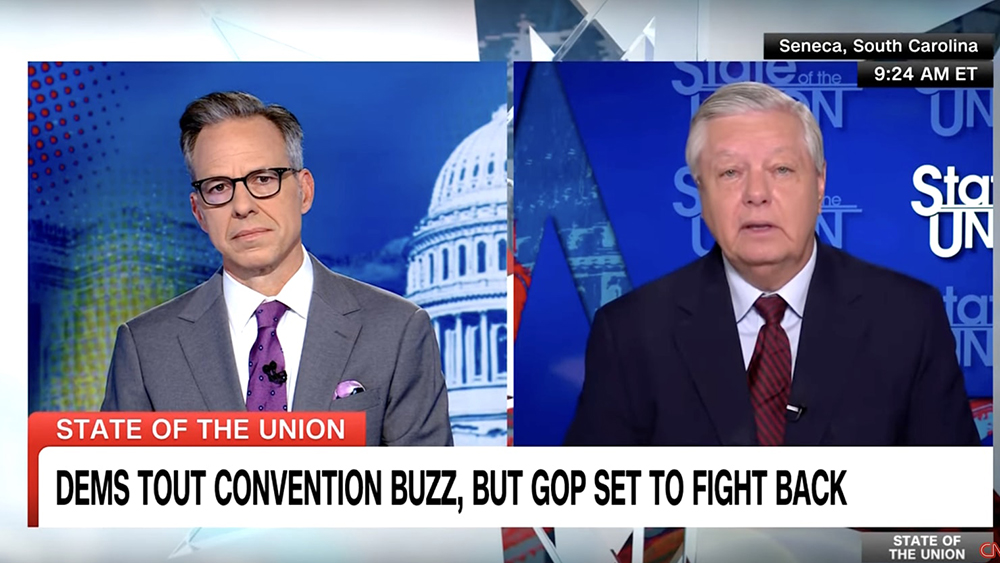
In a dramatic display of his hawkish foreign policy stance, Senator Lindsey Graham (R-SC) recently proposed a controversial strategy aimed at securing the release of Israeli hostages held by Hamas: directly threatening Iran with military action. As was reported by The New York Post, while speaking on CNN’s “State of the Union,” Graham suggested that Israel should warn Tehran that if the hostages are not returned, Israel would target Iran’s critical oil infrastructure, specifically its refineries.
The hostage situation originated from Hamas’ unexpected and brutal attack on Israel on October 7, 2023. The attack, which resulted in the abduction of approximately 250 people, including civilians, has since escalated into a full-scale conflict in the Gaza Strip, according to The Post report. The situation has seen the release of over 100 hostages during a brief ceasefire in November 2023. However, many of the remaining hostages are feared dead, and their exact number is unknown, further complicating rescue efforts. Among those still held captive are eight American-Israeli dual citizens, adding an international dimension to the crisis.
Graham’s proposal hinges on the belief that Iran, as a significant backer of Hamas and Hezbollah, wields enough influence to pressure Hamas into releasing the hostages. As per the information provided in The Post report, the logic is rooted in Iran’s long-standing financial and military support for these groups, which serve as key players in Tehran’s broader strategy of extending its influence across the Middle East. By threatening to target Iran’s oil refineries, Graham suggests a direct approach to coercing Tehran into action. This is not just about military might; it is a calculated attempt to strike at the heart of Iran’s economic lifeline.
“How should the U.S. respond to what’s going on in the Middle East? And what is your message to get the cease-fire and hostage release deal across the finish line?” CNN’s Jake Tapper asked the senator, as was reported by Fox News.
“Well, number one, I think we got to remember that October the 7th attack was generated, in my view, to stop normalization between Saudi Arabia and Israel. It’s a nightmare for Iran and her proxies, for the Arabs and Israelis to reconcile and make peace and take the region in a different direction,” Graham said. “As to the hostages, I would hold Iran responsible for their well-being.”
“If I were the state of Israel, I would tell the ayatollah, if these people do not come home alive – the ones that are left alive – and if we don’t get the bodies of the fallen, we’re going to blow up your oil refineries,” Graham added, as was noted in a Fox News report. “That’s the only way you’re ever going to get the hostages released is to put pressure on Iran.”
Iran’s economy is heavily dependent on its oil sector. In recent years, Iran has seen a resurgence in its oil exports, with revenues hitting approximately $43 billion in the past year—a 46% increase from the previous year. Iran’s oil output also reached a five-year high, averaging around 3.25 million barrels per day as of March 2024. These revenues are vital for Iran, especially under the pressure of international sanctions, as they fund not only domestic needs but also Iran’s military and proxy operations across the region.
Graham’s comments also reflect a broader trend in U.S. foreign policy discussions, particularly among those who advocate for a more confrontational approach to Iran, The Post report indicated. For years, debates in Washington have oscillated between engagement and pressure when dealing with Tehran. The threat of military action, particularly targeting economic infrastructure, represents one of the more extreme positions in this debate.
Supporters of Graham’s position argue that the current situation demands a show of strength. They believe that without the credible threat of force, Iran and its proxies will continue to act with impunity, further destabilizing the region. In this view, Graham’s proposal is seen as a necessary move to shift the balance of power and bring about a resolution.
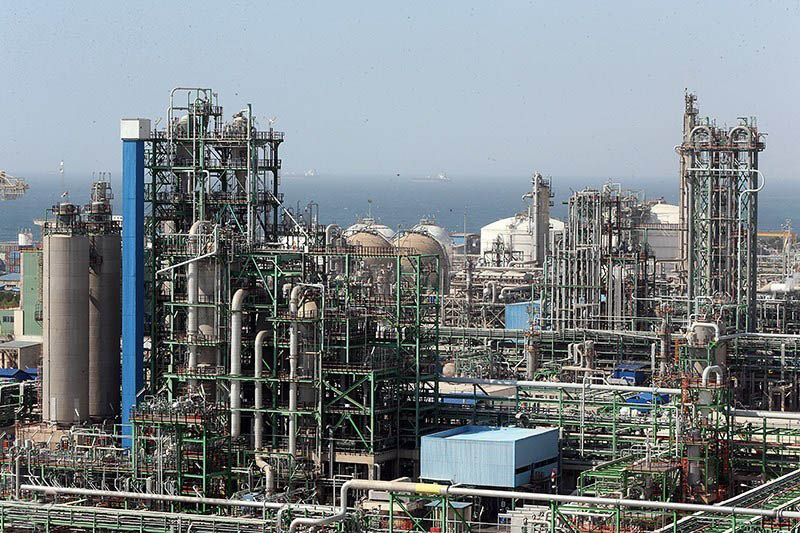
The oil refineries and related infrastructure represent a strategic vulnerability for Iran. Israel views these facilities as critical targets because disabling them would severely disrupt Iran’s ability to generate revenue, thereby weakening its financial support for Hezbollah, Hamas, and other allied groups. Such a move could diminish Iran’s capacity to sustain its military operations and reduce its influence in conflicts where these groups are active.
Moreover, targeting oil refineries would have broader implications for global oil markets. The Strait of Hormuz, through which a significant portion of global oil supply passes, could become a flashpoint if Iranian oil exports are disrupted. Any attack on Iran’s refineries could potentially cause oil prices to spike dramatically, which would not only impact Iran but also global markets. This risk is compounded by Iran’s potential retaliatory measures, such as disrupting maritime traffic through the Strait of Hormuz, which would affect a substantial portion of the world’s oil supply.
Israel’s interest in targeting Iran’s oil refineries aligns with its broader strategy of preemptive strikes aimed at curbing threats before they fully materialize. By crippling Iran’s economic capabilities, Israel aims to reduce the financial flow to groups that threaten its security. Furthermore, such strikes would serve as a deterrent, signaling Israel’s readiness to escalate in order to protect its national interests.
Iran’s oil refineries have a storied history, deeply intertwined with the nation’s economic development and geopolitical strategy. The origins of Iran’s oil industry date back to the early 20th century, with the discovery of oil in Masjed Soleyman in 1908. This led to the establishment of the Abadan Oil Refinery in 1912 by the Anglo-Persian Oil Company, which would later become one of the largest and most important refineries globally. Abadan played a critical role during both World Wars, supplying fuel to the Allies, and was a centerpiece of Iran’s oil production until the Iran-Iraq War, which saw the refinery heavily damaged by Iraqi airstrikes.
Over the decades, Iran expanded its oil refining capabilities. The National Iranian Oil Refining and Distribution Company (NIORDC) currently operates 15 refineries across the country, with a combined crude distillation capacity of about 2.04 million barrels per day. Major refineries include Abadan, Isfahan, and Bandar Abbas. These facilities have been repeatedly upgraded to enhance their capacity and improve the quality of refined products, with recent developments focusing on meeting Euro-5 standards to reduce environmental impact.
Despite international sanctions, Iran has managed to maintain its oil exports, primarily to China, which has become its largest customer. Other buyers include India and various countries across Asia, although many transactions are conducted discreetly to avoid triggering further sanctions.
The Post reported that Iran has numerous avenues for retaliation if their oil refineries are targeted including through its proxies such as Hezbollah, which recently exchanged fire with the Israeli Defense Forces (IDF). The ongoing skirmishes between Israel and Hezbollah, another Iranian-backed group, exemplify the delicate and explosive nature of the current regional dynamics.
The assassination of senior Hezbollah commander Fuad Shukr and Hamas leader Ismail Haniyeh in Tehran last month has set the stage for a potentially explosive escalation in the Middle East. The killings, which occurred around the inauguration of Iran’s new president, Masoud Pezeshkian, have intensified fears of a broader regional conflict as tensions between Israel and Iran continue to mount. As Hezbollah retaliates and Israel remains poised for further confrontation, the delicate balance of power in the region faces a critical test.
Iran, for its part, has been conspicuously silent in terms of direct retaliation for Haniyeh’s assassination. However, this does not necessarily indicate a lack of intent. Iran’s response to past provocations, such as its strikes on Israel in April following the death of two Iranian generals in a bombing in Damascus, suggests that Tehran is carefully weighing its options. The possibility of a delayed or asymmetric retaliation remains, keeping regional actors on high alert.
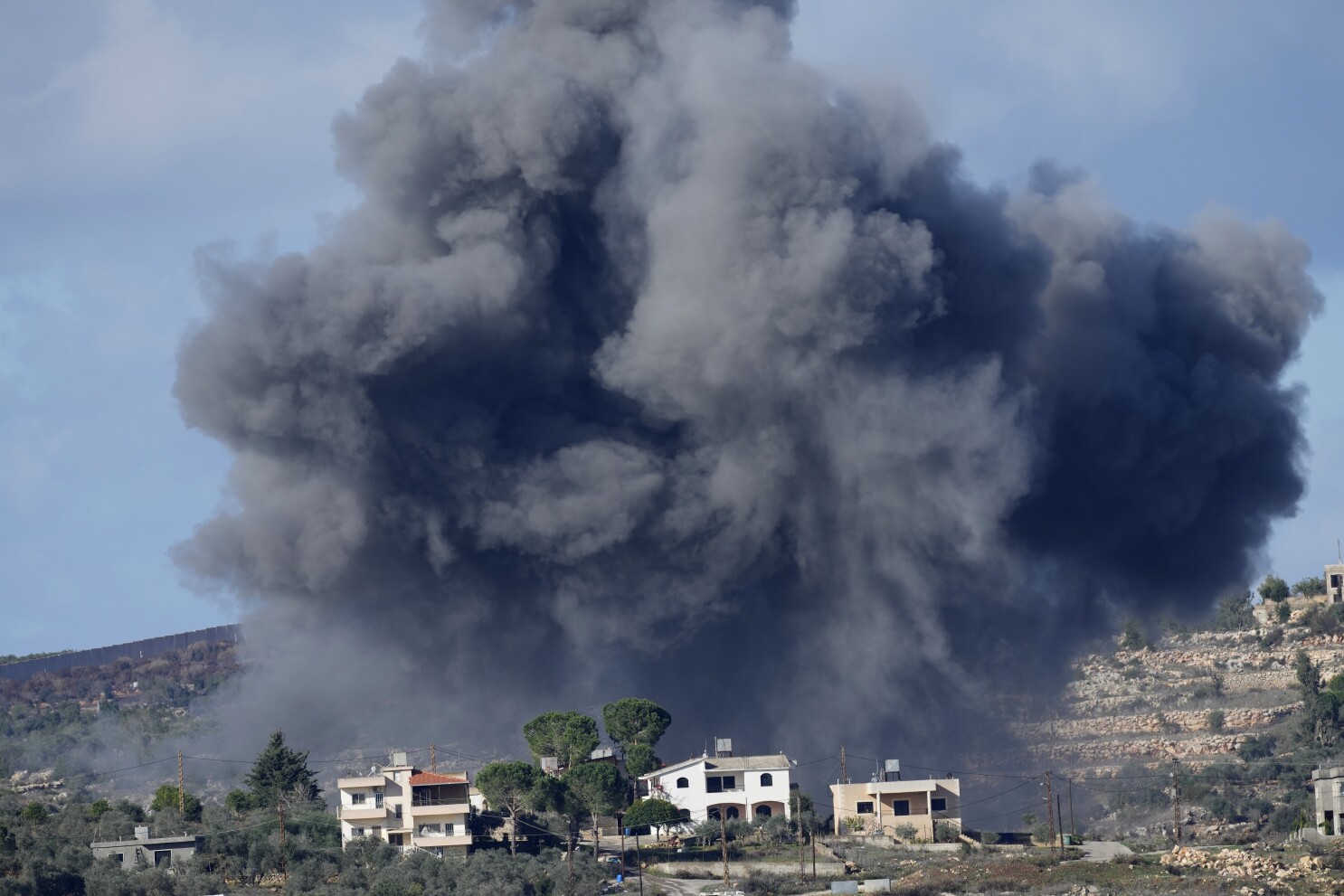
Early Sunday morning, Israeli intelligence identified concrete plans by Hezbollah to launch a large-scale missile and drone assault aimed at central Israel. According to Michael Herzog, the Israeli ambassador to the United States, the IDF acted swiftly to neutralize this threat, conducting a real-time operation that targeted the very launch sites in Lebanon where Hezbollah’s arsenal was poised for attack.
The precision of the IDF’s strike was critical in preventing what could have been one of the most devastating attacks on Israel in recent history, The Fox News report explained. The operation successfully degraded Hezbollah’s capabilities, though not without cost. Despite the preemptive strike, Hezbollah managed to launch several hundred rockets and drones, all of which were intercepted by Israel’s advanced defense systems. Tragically, one Israeli soldier lost his life from debris caused by these interceptors.
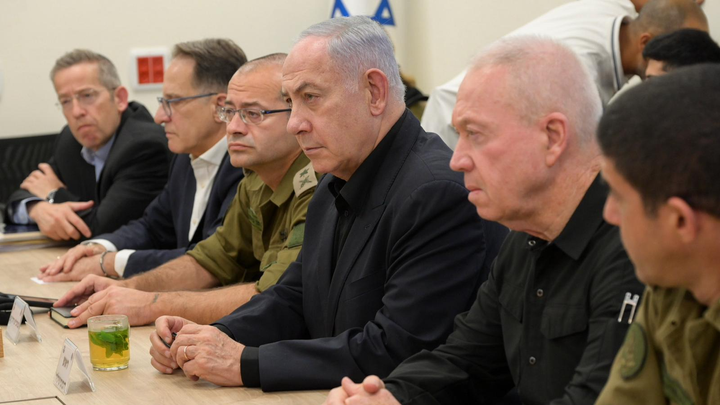
Prime Minister Netanyahu’s response to the thwarted attack highlights his strategic vision of deterrence through strength. His statement, “What happened today is not the end of the story,” signals Israel’s intent to maintain pressure on Hezbollah and other Iran-backed groups, demonstrating that any threat against Israel will be met with overwhelming force, the report on Fox News said. Netanyahu’s reference to “surprising blows” suggests that Israel is prepared to take further unconventional or unexpected military actions to ensure its security.
Hezbollah’s attempt to launch a massive attack on Israel highlights the group’s continued commitment to its ideological and strategic objectives, which include the destruction of the Israeli state.
Predicting Iran’s next move following the recent assassinations and ongoing tensions in the Middle East requires an understanding of the country’s strategic goals, the regional context, and the possible responses to both direct and indirect provocations. Given the complex and often opaque nature of Iranian decision-making, several potential scenarios could unfold:
Covert Operations: Iran may choose to respond through covert actions, utilizing its network of proxy groups across the Middle East. This could include attacks on Israeli interests abroad, cyber-attacks, or targeted assassinations of Israeli or Western figures.
Support for Proxies: Iran might intensify its support for Hezbollah, Hamas, or other allied groups, providing them with advanced weaponry or intelligence to carry out more sophisticated attacks against Israel. This allows Iran to retaliate without directly engaging in a conflict, thereby maintaining plausible deniability.
Leveraging International Forums: Iran may seek to diplomatically isolate Israel by raising the issue of the assassinations in international forums like the United Nations. This would aim to paint Israel as the aggressor and garner sympathy or support from other nations, particularly those within the Non-Aligned Movement.
Engagement with Allies: Iran could strengthen ties with key allies like Russia and China, seeking their support in international negotiations and potentially securing new military or economic agreements that would bolster its position against Israel.
Limited Military Strikes: Although less likely due to the risks involved, Iran could opt for limited military action, such as missile strikes against Israeli military installations or even Israeli cities. This would mark a significant escalation and could potentially draw in other regional powers, leading to a broader conflict.
Maritime Disruption: Iran has previously threatened and executed disruptions in the Strait of Hormuz, a critical chokepoint for global oil supplies. Renewed threats or actions in this area could serve as a form of indirect pressure on both Israel and its Western allies, reminding them of Iran’s strategic capabilities.
De-escalation and Time-Biding: Iran may choose to avoid immediate retaliation, instead adopting a strategy of strategic patience. By avoiding direct confrontation, Iran could focus on long-term goals, such as expanding its influence in Iraq, Syria, and Lebanon, while waiting for a more opportune moment to strike back.
Focus on Domestic Strengthening: With internal challenges such as economic sanctions and public dissent, Iran might prioritize internal stability and economic resilience over immediate foreign action. Strengthening its domestic position could be seen as a prerequisite for sustaining its regional ambitions.
Negotiation for Strategic Gains: Iran might use the heightened tensions as leverage in diplomatic negotiations, particularly in discussions with Western powers over its nuclear program or sanctions relief. By positioning itself as a key player in the region’s stability, Iran could seek concessions that would strengthen its long-term strategic goals.
Dialogue with Regional Powers: Iran might also explore dialogue with other regional actors, including Saudi Arabia and Turkey, to realign regional power structures in a way that isolates Israel. Such efforts could be part of a broader strategy to reassert Iran’s influence in the Middle East.
