



|
Getting your Trinity Audio player ready...
|
By: Ariella Haviv
As the reverberations of Operation Roaring Lion continue to echo across Israel, new casualty figures released by emergency responders provide a sobering glimpse into the human cost of the ongoing conflict. Beyond the strategic calculations, aerial maneuvers, and military achievements, the unfolding data underscores a stark and deeply personal reality: civilians remain at the center of the war’s most immediate consequences.
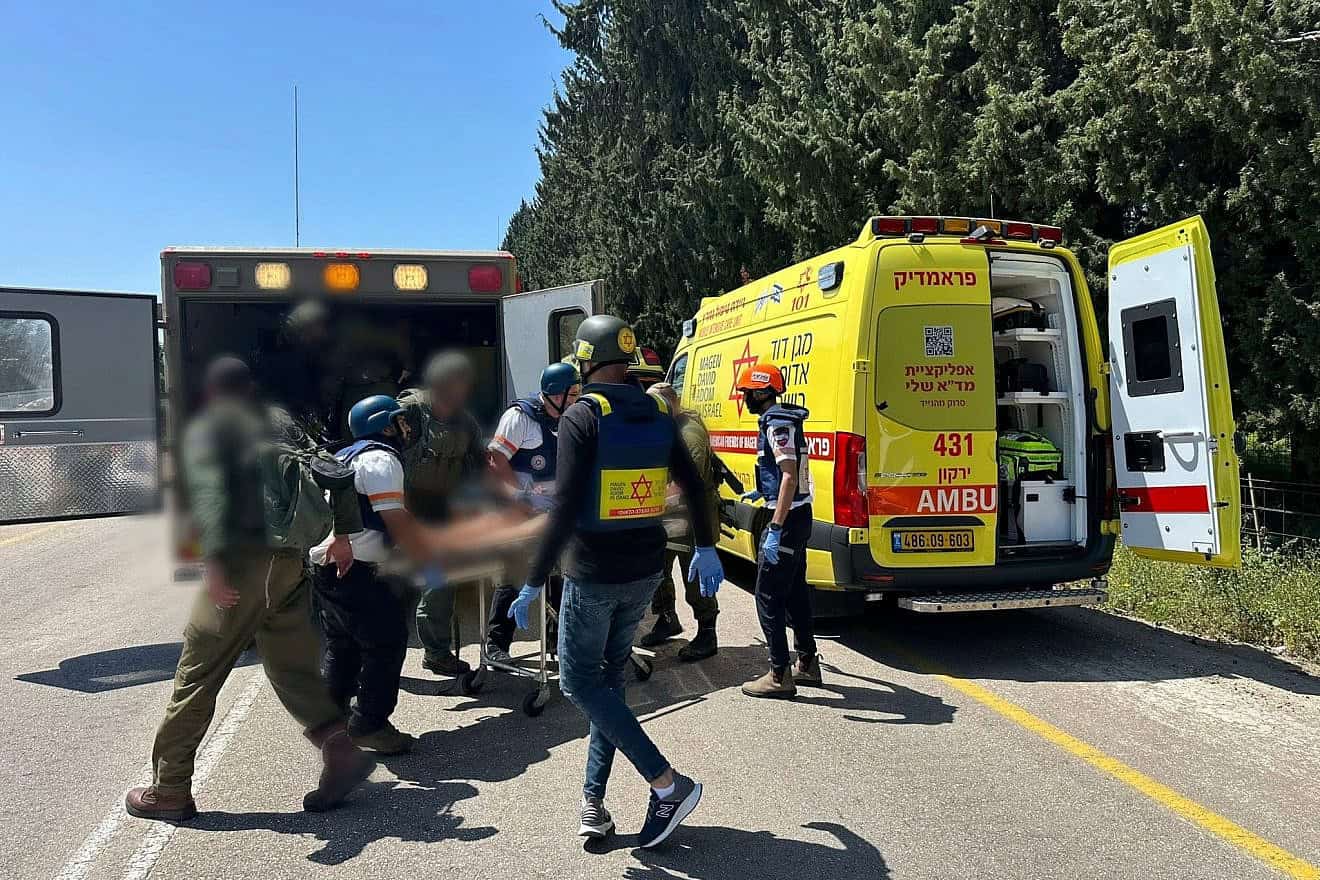
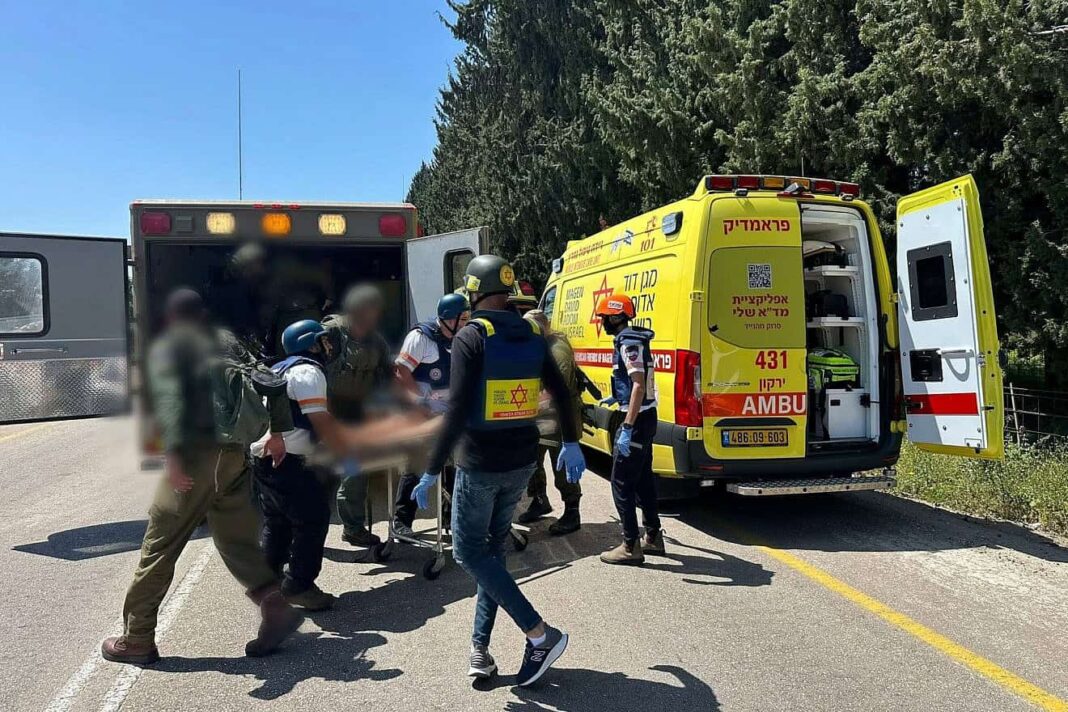
According to the latest summary issued by Magen David Adom, Israel’s national emergency medical service, the past 24 hours alone have seen dozens of individuals injured, with both physical harm and psychological distress exacting a growing toll. These figures, while clinical in presentation, collectively narrate a story of disruption, fear, and resilience under sustained threat.
In the 24-hour period leading up to 7:00 p.m. on March 19, emergency medical teams treated 54 individuals. Of these, 41 sustained physical injuries, while 13 were treated for acute anxiety symptoms—an increasingly common manifestation of the relentless stress experienced by civilians living under constant threat.
Among the physically injured, eight individuals were directly harmed by missile fire. The most tragic case involved a 34-year-old man who was struck by shrapnel and succumbed to his injuries. His death adds to a growing list of civilian casualties, each representing not just a statistic but a life abruptly and irrevocably altered.
Another victim, a man in his sixties, remains in serious condition after being injured by missile fragments. A 68-year-old woman sustained moderate injuries from the blast, while five others were treated for mild wounds caused by shockwaves and shattered glass.
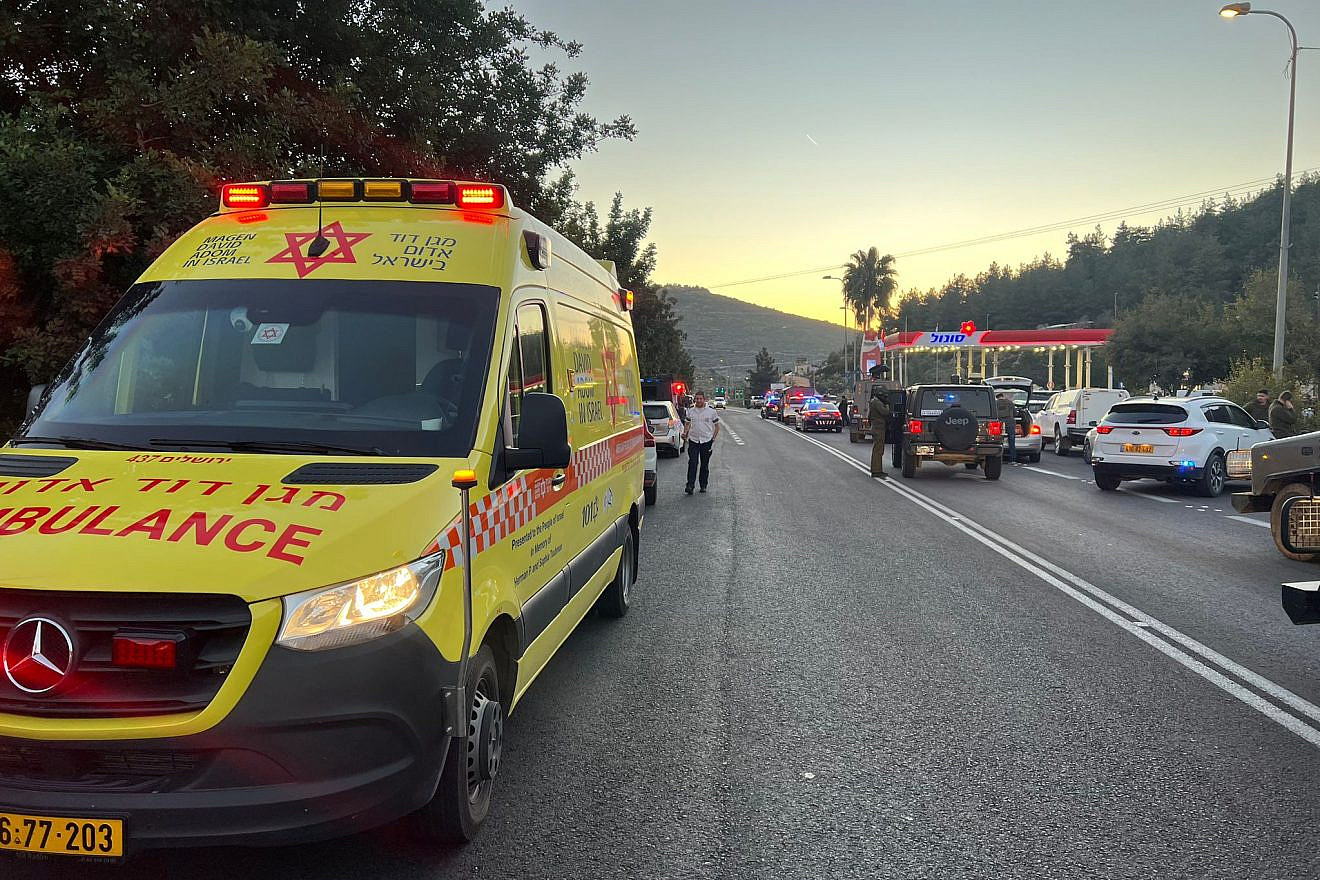
Yet perhaps most striking is the number of individuals injured not by direct impact but in the frantic moments that follow warning sirens. Thirty-three people were hurt while rushing to shelters, all sustaining mild injuries. These incidents highlight the chaotic and often perilous conditions that accompany attempts to seek safety during missile alerts.
Since the onset of Operation Roaring Lion, the cumulative figures paint an even more sobering picture. Magen David Adom teams have treated a total of 1,323 individuals, including 1,104 with physical injuries and 219 experiencing anxiety-related symptoms.
Of those physically injured, 276 were harmed directly by missile fire. Among them are 15 fatalities—14 pronounced dead at the scene and one who later died in hospital. These numbers reflect the lethal potential of the weapons deployed, even in a context where interception systems have reportedly neutralized the majority of incoming threats.
Six individuals remain in serious condition, while 13 are classified as moderately injured. The overwhelming majority—242 people—suffered mild injuries, a category that nevertheless encompasses a wide range of physical and emotional trauma.
One of the most revealing aspects of the data is the significant number of injuries sustained while individuals attempted to reach protective spaces. A total of 825 people were injured in such circumstances, and tragically, three lost their lives during these moments of attempting to escape danger.
These figures illuminate a critical dimension of the civilian experience during conflict: the act of seeking safety is itself fraught with risk. In the rush to reach shelters, individuals may trip, fall, or collide with others, leading to injuries that, while often classified as mild, contribute to the overall burden on emergency services.
Additionally, 19 people were involved in road accidents after stopping their vehicles in response to sirens. These incidents underscore the complex interplay between emergency protocols and real-world conditions, where split-second decisions can have unintended consequences.
While physical injuries are more immediately visible, the psychological impact of sustained conflict is equally significant. The 219 cases of anxiety symptoms treated since the beginning of the operation represent only a fraction of the likely total, as many individuals may not seek formal medical assistance.
Symptoms of anxiety can range from acute panic attacks to longer-term psychological distress, affecting sleep, concentration, and overall well-being. For many civilians, particularly those in high-risk areas, the constant sound of sirens and explosions creates an environment of chronic tension that can persist long after the immediate danger has passed.
Emergency responders have increasingly recognized the importance of addressing these psychological needs, providing not only medical treatment but also emotional support and reassurance.
Throughout Operation Roaring Lion, Magen David Adom has played a pivotal role in responding to the crisis. Its teams have operated under emergency conditions, often arriving at scenes of destruction within minutes to provide life-saving care.
The ability to treat over 1,300 individuals in a matter of weeks speaks to the organization’s preparedness and dedication. Equipped with advanced medical equipment and supported by a network of trained professionals, MDA has been at the forefront of the civilian response to the conflict.
However, the size of cases also places immense pressure on resources, highlighting the need for sustained support and coordination among emergency services.
For the civilian population, the statistics translate into a lived experience of uncertainty and vulnerability. Daily routines are disrupted, and the simple act of moving from one place to another is accompanied by the constant awareness of potential danger.
Communities have adapted in various ways, from reinforcing shelters to developing informal support networks. Yet the cumulative effect of repeated alerts and incidents cannot be easily mitigated.
Children, in particular, are among the most affected, as the stress of the situation can have lasting developmental and emotional consequences. Schools and families alike are grappling with how to provide a sense of normalcy in an environment defined by unpredictability.
Despite the challenges, there are also stories of resilience and solidarity. Neighbors assist one another in reaching safety, volunteers support emergency responders, and communities come together to provide aid and comfort.
These acts of collective strength serve as a counterbalance to the numbers of injury and loss, reminding observers that even in the midst of conflict, human connections endure.
The casualty figures from Operation Roaring Lion offer a crucial perspective on the human dimension of the conflict. While military operations may be measured in terms of targets and success rates, the true cost is borne by individuals and communities whose lives are irrevocably altered.
The data provided by Magen David Adom serves not only as a record of events but also as a call to recognize the broader implications of sustained conflict. Each number represents a person, a family, and a story that extends beyond the immediate moment.
As the operation continues and the situation evolves, the focus on civilian welfare remains paramount. Ensuring that emergency services are supported, that psychological needs are addressed, and that communities are protected will be essential in navigating the challenges ahead.
In the end, the legacy of Operation Roaring Lion will be shaped not only by its strategic outcomes but also by its impact on the lives of those who have endured its effects.
