



|
Getting your Trinity Audio player ready...
|
By Vered Weiss, World Israel News
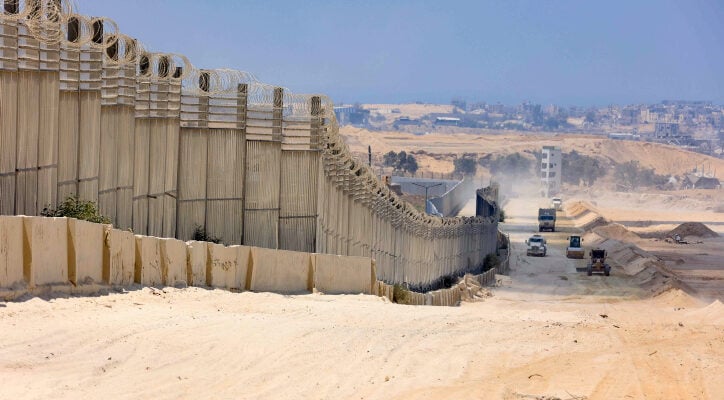
Reopening the Rafah Crossing without Israeli oversight would carry serious security risks, Channel 12 Arab affairs correspondent Ohad Hemo warned, saying current conditions make meaningful monitoring by Israel unlikely.
In remarks addressing the potential reopening, Hemo said the issue reflects what he views as a shift in government policy since the war began.
He recalled that following Operation Protective Edge, defense officials pledged that Israel would track who enters and leaves Gaza and maintain awareness of the tunnel network.
“I think that in a certain sense, the government is stuck at October 6, and so they are prepared to allow the entry and exit from Gaza without Israeli eyes monitoring it. The Egyptians said that only they would decide who goes in and out,” he said.
Hemo noted that only months ago, Israeli leaders publicly framed control of the Rafah Crossing and the Philadelphi Corridor as vital security interests.
He suggested that the current approach appears to accept the crossing’s reopening through quiet acquiescence. “After all, Netanyahu shaped a clear Israeli public consensus that the Rafah Crossing and the Philadelphi Corridor were indispensable, and just a few months later, quietly, Israel is allowing the Rafah Crossing to be opened,” he said.
He argued that the crossing’s function is more strategically significant than underground routes. “The Rafah Crossing is what will create Hamastan, not the Philadelphi Corridor and not the tunnels. This crossing allows Gaza to become a terrible jihadist element on the southern border,” he said.
According to Hemo, permitting unrestricted movement through Rafah while Hamas remains in power and before progress is made toward what he described as the second stage of President Trump’s plan would have diplomatic consequences.
“Allowing free passage through the crossing without really reaching the second stage [of the Trump plan], without Hamas being disarmed and still governing Gaza, is a diplomatic disaster,” he concluded.
