



|
Getting your Trinity Audio player ready...
|
By: Ariella Haviv
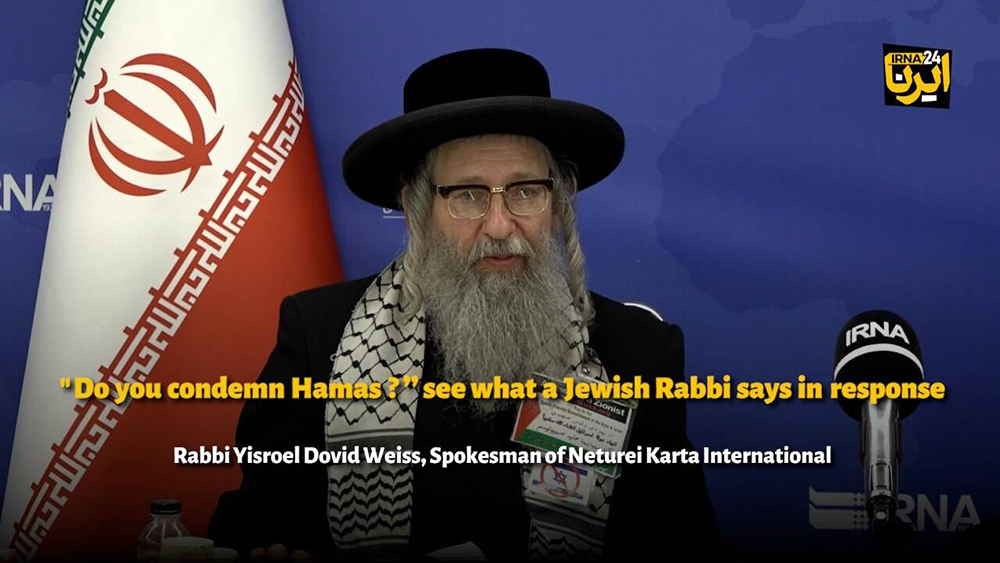
In a decisive move underscoring Israel’s stance against those who actively support its adversaries, Interior Minister Moshe Arbel on Monday permanently banned Rabbi Yisroel Dovid Weiss, the American spokesman for the extremist anti-Zionist sect Neturei Karta, from entering the country. The announcement, as reported by The Jewish News Syndicate (JNS) on Monday follows revelations of Weiss’s recent meeting with Iranian Foreign Minister Abbas Araghchi during the BRICS summit in Rio de Janeiro.
“I will not allow anyone who acts against the State of Israel and identifies with its enemies to enter,” declared Arbel, a member of the Shas Party, who emphasized that the ban was permanent and effective immediately. According to the report at JNS, the meeting between Weiss and Iran’s chief diplomat was not merely symbolic. Araghchi shared on his official Telegram channel that Weiss visited the Islamic Republic’s embassy in Brazil and signed a memorial book “for the martyrs of the Zionist regime’s brutal invasion of our country”—a clear reference to Israel’s recent military operations against Iran.
The statement from Arbel came amid growing concern over Neturei Karta’s long-standing alliances with regimes and organizations that espouse antisemitic rhetoric and openly seek Israel’s destruction. As JNS has frequently documented, the ultra-Orthodox sect—based in Jerusalem’s Mea She’arim neighborhood—rejects the legitimacy of the State of Israel on theological grounds, believing that Jewish sovereignty can only be restored with the arrival of the Messiah.
But as critics have warned, Neturei Karta’s theological objections have long crossed into political provocation and, in many cases, direct collaboration with Israel’s sworn enemies. As the JNS report noted, Weiss and other members of the group have made multiple high-profile appearances that have sparked widespread outrage. In 2020, representatives of the sect attended the funeral of Iranian Quds Force commander Qassem Soleimani in Tehran, just days after his targeted killing by the United States. They have also previously praised Hezbollah and Hamas, and have appeared at events organized by Holocaust deniers and white supremacists under the guise of “anti-Zionist solidarity.”
Perhaps most controversially, the JNS report recalled, Neturei Karta activists met in January 2023 with a Palestinian Islamic Jihad operative in Jenin—justifying the encounter as part of their broader “outreach” to the “oppressed peoples of Palestine.” Later that year, they were photographed in New York meeting with then-Iranian President Ebrahim Raisi during the United Nations General Assembly—another act widely condemned by Jewish leaders and the Israeli government.
The recent war between Israel and Iran—a brutal 12-day conflict that saw over two dozen Israelis killed in missile strikes on urban centers—has only heightened tensions around such acts of fraternization. Iran, which launched hundreds of ballistic missiles and drones during the confrontation, remains under intense international scrutiny for its nuclear ambitions and regional terror activities.
In this climate, Weiss’s decision to not only meet Araghchi but to memorialize Iranian casualties of the war—while offering no similar acknowledgment of Israeli victims—was seen by many in Israel as an intolerable betrayal. As JNS reported, Israeli officials across the political spectrum supported Arbel’s decision, with some calling for further investigations into whether Weiss had violated any Israeli or American laws by meeting with designated state sponsors of terrorism.
The JNS report also noted that while Neturei Karta represents only a fringe minority within the Haredi world, its public appearances and media-savvy provocations have often been exploited by anti-Israel actors to claim Jewish religious backing for extremist views.
