



|
Getting your Trinity Audio player ready...
|
By: Fern Sidman
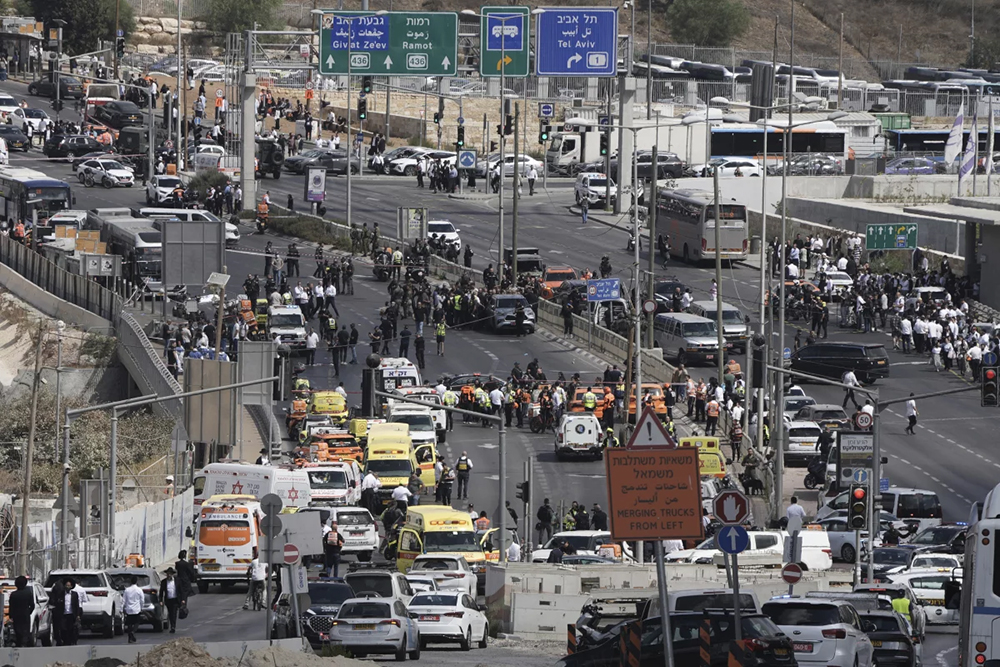
Jerusalem was plunged into mourning on Monday after a brutal shooting attack at the Ramot Junction left seven people dead and at least a dozen wounded. The carnage, carried out by two Palestinian terrorist gunmen armed with Carlo-style submachine guns, unfolded at the height of rush hour. The terrorists opened fire indiscriminately at a packed commuter bus and a crowded hitchhiking station, shattering what had been an ordinary morning commute.
According to a detailed report that appeared on Monday at Israel National News, the timing of the attack was anything but coincidental. Just a day earlier, Hamas had issued its formal response to President Donald Trump’s latest ceasefire and hostage-release proposal. While Hamas couched its reply in the language of negotiation, its maximalist demands signaled rejection. The terrorists insisted on a total end to the war, the full withdrawal of IDF forces from Gaza, and the establishment of a new Palestinian governing committee outside both Hamas and Israeli oversight.
The very next morning, bullets tore through Jerusalem’s northern entry point. To many observers, the Ramot Junction massacre was Hamas’ real answer to Trump’s proposal: more violence, more civilian deaths, and no intention of freeing the hostages still languishing in Gaza’s tunnels.
The attack struck during one of the busiest hours of the week. The Line 62 bus was stopped in traffic when the two terrorists boarded and began firing at passengers at point-blank range. Eyewitnesses said the assailants deliberately aimed for victims’ heads.
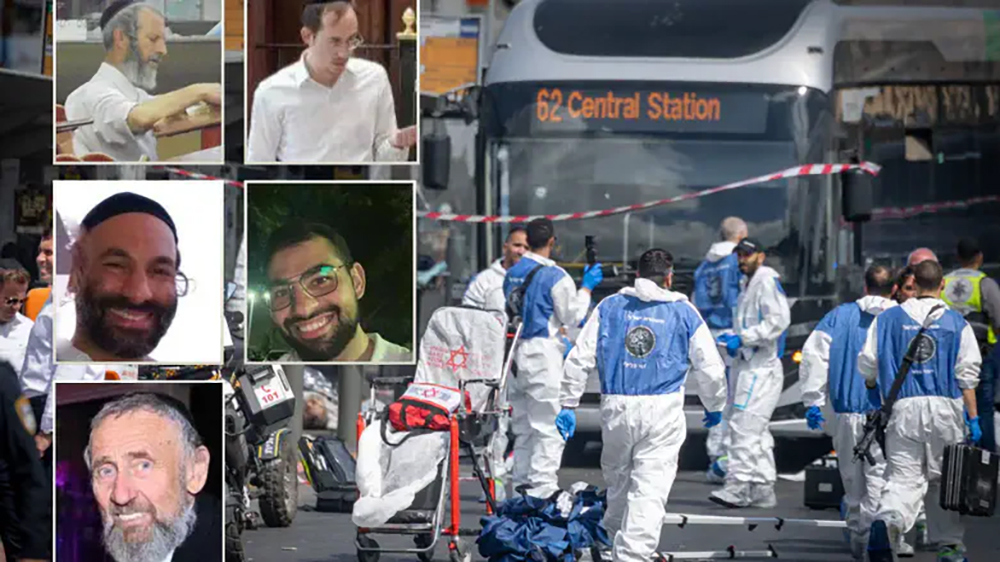
Passengers ducked for cover as bullets ripped through windows. Outside, waiting commuters were sprayed with gunfire. Shards of glass blanketed the pavement. Screams echoed as chaos engulfed the junction.
Emergency responders painted a grim picture. “This is a very serious scene. Some of the injured are unconscious. Large numbers of United Hatzalah forces are acting at the scene to provide initial medical aid to the injured,” said EMT Avi Swissa, as was reported by Israel National News.
Magen David Adom paramedic Nadav Tayeb described to Israel National News arriving to find bodies on the ground: “When we got there, we saw people lying on the road unconscious, near the sidewalk and a bus stop. There was widespread destruction at the scene, shattered glass on the ground, and great commotion.”
His colleague, Fadi Dekaidek, added: “The wounded were lying on the road and sidewalk near a bus stop, some of them unconscious. We continue to evacuate the injured to hospitals quickly while providing life-saving medical care.”
Twelve people were hospitalized. Seven were in serious condition, two moderately injured, and three lightly hurt by flying glass. Several more were treated for shock. Seven Israelis — three in their 30s and one in his 50s among them — were murdered.
The Israel National News report indicated that among those killed were Levi Yitzhak Pash, Yaakov Pinto, Yisrael Matsner, Yosef David, Sarah Mendelson and Dr. Mordechai Steintzag.
The Kol Torah Yeshiva in Jerusalem announced early Monday afternoon that Levi Yitzhak Pash was an employee and maintenance man at the yeshiva.
In a statement, the yeshiva said that Pash “did many good deeds, gave of his money, and often occupied himself with learning Torah.” The statement also added that Pash was well-known in the Bayit Vegan neighborhood of Jerusalem as a dedicated person who was always involved in acts of kindness.
His funeral will leave from the yeshiva later on Monday. Israel National News provided a profile on those murdered in the attack.
Yaakov Pinto, 25, is a newlywed who immigrated to Israel from Spain.
Yisrael Matsner, 28, lived in Jerusalem.
Yosef David, 43 years old from the Ramot neighborhood, was murdered on his way to yeshiva, with his holy books still in his hands.
Dr. Mordechai Steintzag, also known as “Dr. Mark,” 79 years old and also a resident of Ramot, owned “Dr. Mark’s Bakery” in Beit Shemesh; he immigrated to Israel from the US decades ago.
Sarah Mendelson, 60 years old from the Ramat Shlomo neighborhood of Jerusalem, was also murdered in the attack.
The Israel National News report indicated that among the injured was Rabbi Yaakov Sharabani, a leader of the Maor Torah yeshiva and son-in-law of its dean, Rabbi Avraham Salim. He was lightly wounded and hospitalized in stable condition. Communities across Israel were asked to pray for him, under the name Yaakov Haim ben Tamar Ibon.
Veteran haredi journalist Menachem Kolodetsky also requested prayers for his cousin, Tova Gittel bat Miriam Shoshana, a resident of Ramot, who was struck in the gunfire, Israel National News reported. She is eight months pregnant with her first child, stressing the indiscriminate cruelty of the attack.
The death toll could have been far higher but for the intervention of two armed Israelis — a haredi yeshiva student and a haredi squad commander from the IDF’s Hashmonaim Brigade.
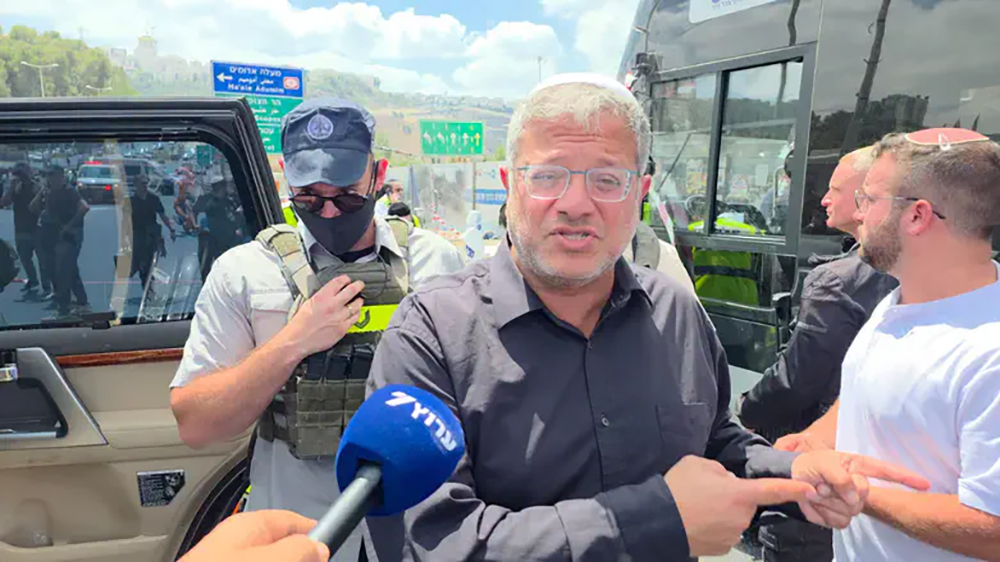
According to the information provided in the Israel National News report, the haredi yeshiva student had been on his way to class when the shooting erupted. Carrying a firearm he had inherited from his grandfather, legally licensed under reforms by National Security Minister Itamar Ben Gvir, he emptied his magazine at the terrorists. His brother-in-law later told Kol Barama Radio: “He was on his way to yeshiva. He has a gun he inherited from his grandfather, and thanks to Ben Gvir’s reform, he had the license. He emptied the entire magazine on the terrorists.”
Together with the haredi IDF commander, the student neutralized both attackers within minutes, preventing further slaughter. Their actions were hailed as acts of valor, and calls quickly mounted for official recognition, the Israel National News report indicated.
The IDF and police launched an immediate security operation. Checkpoints around Jerusalem were sealed. Troops encircled four nearby Palestinian villages — Qatanna, Biddu, Beit ‘Anan, and Bayt Duqu — from which the terrorists were believed to have come.
“Following the shooting attack at Ramot junction earlier today, IDF soldiers were dispatched to the area and are searching the area for suspects in cooperation with the Israel Police,” the military announced, as was reported by Israel National News. “Simultaneously, IDF soldiers are currently encircling several areas on the outskirts of Ramallah to thwart terrorism and strengthen the defense effort.”
The police added: “Following the shooting, the access roads to the scene have been closed off. Large numbers of police officers under the command of the district commander are at the scene of the incident.”
The attack came less than 24 hours after Hamas issued its official response to President Trump’s ceasefire and hostage deal. While some international observers initially interpreted Hamas’ statement as a sign of openness, the report at Israel National News noted that its conditions were so extreme as to amount to outright rejection.
Hamas demanded a complete and permanent end to the war, a total withdrawal of IDF forces from Gaza, the establishment of a Palestinian governing committee independent of both Hamas and Israel and binding guarantees that Israel would not renege on any agreement.
For Israel, these demands would mean surrendering battlefield gains, abandoning security control, and legitimizing Hamas’ survival after it massacred 1,200 Israelis on October 7 and dragged more than 250 hostages into Gaza.
The Ramot Junction shooting thus shone a spotlight on Hamas’ real intentions. Even as it issued words about “negotiation” through mediators, its operatives were preparing to spill blood in the streets of Jerusalem.
President Trump’s proposal marked a significant departure from earlier mediation efforts. According to details reported by Israel National News, the framework included the immediate release of all 48 hostages — living and deceased — on day one of the deal, the release of hundreds of terrorists and thousands of Palestinian detainees in exchange, a halt to Israel’s operations in Gaza City, direct U. S.-managed negotiations to end the war, and a guarantee that fighting would not resume while talks continued.
On Truth Social, President Trump declared: “Everyone wants the hostages home. Everyone wants this war to end! The Israelis have accepted my terms. It is time for Hamas to accept as well. I have warned Hamas about the consequences of not accepting. This is my last warning; there will not be another one!”
Trump’s pointed language highlighted his determination to be the decisive arbiter. His ultimatum was meant to force Hamas into a quick decision — days, not weeks.
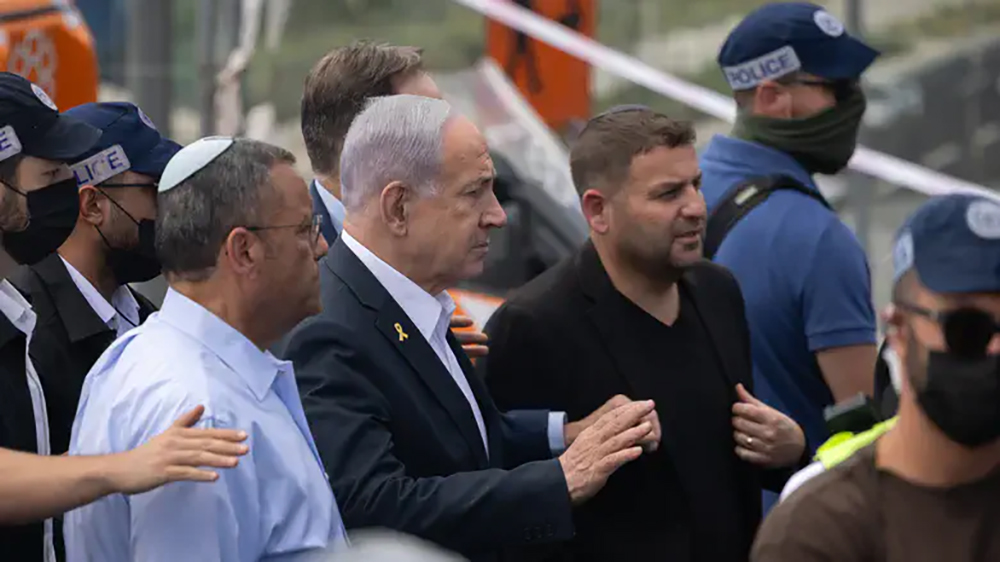
Sources close to Prime Minister Benjamin Netanyahu told Israel National News that Israel was “seriously considering” Trump’s proposal, though they doubted Hamas would ever accept.
The Ramot Junction massacre reveals the answer. Instead of pausing hostilities, Hamas escalated them — striking civilians in Jerusalem even as negotiators floated terms for peace.
This is consistent with Hamas’ pattern. The group has used every previous ceasefire to rearm, regroup, and prepare for further attacks. Israeli officials remember all too well how supposed pauses in fighting have allowed Hamas to entrench itself deeper, often at the cost of Israeli lives down the line.
Hamas’ counter-demands — total Israeli withdrawal, immunity, and international guarantees — demonstrate it has no intention of compromise. Its true objective remains unchanged: the destruction of Israel and the continuation of jihad, regardless of humanitarian consequences.
At the heart of Trump’s proposal are the 48 hostages still in Hamas’ custody — including the remains of those murdered in captivity. Their plight has galvanized Israeli society. Families of the abducted have camped outside government offices, staged protests, and pleaded with Netanyahu’s cabinet to bring their loved ones home.
Trump’s framework attempted to address this national trauma by demanding their immediate release. But the Ramot attack sent a chilling message: Hamas has no interest in letting them go. Every hostage remains a bargaining chip, every body held in Gaza a tool of psychological warfare.
For Israel, the dilemma is agonizing. Accepting Trump’s plan could mean the safe return of hostages but at the cost of halting operations before Hamas is fully dismantled. Rejecting it risks prolonging their captivity — and inviting further massacres like Monday’s.
Israel National News reported that many in Israel’s security establishment remain skeptical. They argue that halting momentum now would undo months of painstaking work to destroy Hamas’ command structure and tunnel network.
Netanyahu faces pressure from two directions: hostage families urging immediate compromise, and security hawks demanding total victory. The Ramot massacre only sharpens that divide.
The symbolism of the Ramot Junction attack cannot be overstated. Hamas staged it in Jerusalem — Israel’s capital, a city meant to embody national strength and resilience. It came the morning after Trump’s ultimatum — a deliberate signal that Hamas rejects any deal short of Israeli surrender.
Israel National News highlighted that this pattern reflects Hamas’ strategy: extract concessions through international mediation while simultaneously inflicting terror at home. It is a dual-track approach designed to weaken Israel militarily, politically, and psychologically.
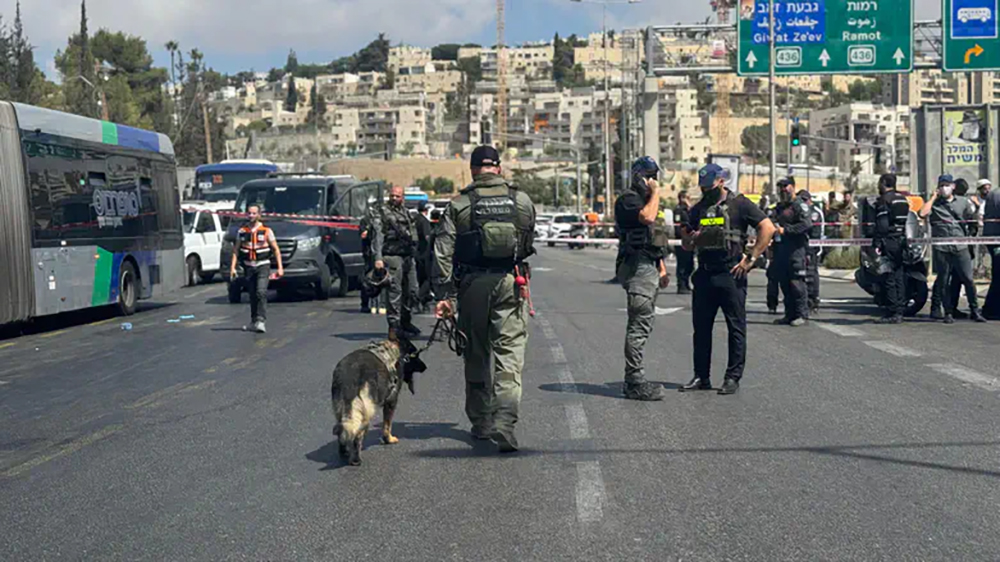
As funerals are prepared for the seven victims, Israel once again steels itself for the long road ahead. Synagogues across Jerusalem held prayer vigils for the wounded. Volunteers lined up to donate blood. Neighbors in Ramot lit candles at makeshift memorials near the bus stop where lives were cut short.
Yet even amid grief, resilience shines through. The bravery of the haredi yeshiva student and the haredi IDF officer who neutralized the attackers stands as a reminder of Israel’s capacity to defend itself — ordinary citizens rising in extraordinary moments.
Monday’s attack leaves no ambiguity about Hamas’ intentions. While mediators speak of deals, Hamas continues its campaign of bloodshed. While Trump offers the return of hostages, Hamas answers with bullets in Jerusalem.
As the Israel National News report emphasized, Hamas’ latest conditions are not a step toward peace but a strategy to survive, regroup, and kill again. The Ramot Junction massacre proves that the group does not want a ceasefire, does not want reconciliation, and does not want to release the hostages — living or dead.
Monday’s massacre in Jerusalem did not occur in isolation. It is the latest chapter in Hamas’ relentless campaign of violence, stretching from the atrocities of October 7, 2023, into the war’s second year. As Israel National News has consistently documented, Hamas has rejected every overture for peace, using ceasefires to regroup and resuming attacks at every opportunity.
October 7, 2023 – The Massacre in Southern Israel
Hamas launched its war with an unprecedented cross-border attack, murdering 1,200 Israelis in their homes and at a music festival, and abducting more than 250 hostages. The attack, described by Israeli leaders as the “darkest day since the Holocaust,” shocked the world and shattered illusions of stability.
November 2023 – Hostage Deals Undermined
After weeks of fighting, international mediators secured a temporary pause in hostilities to facilitate hostage releases. Hamas freed only a fraction of captives, dragging its feet while smuggling weapons and regrouping. Israeli intelligence later confirmed that Hamas violated the terms by hiding men and soldiers slated for release.
January 2024 – Ceasefire Collapses
A fragile truce collapsed when Hamas resumed rocket fire at Israeli cities, forcing the IDF to resume operations in Gaza. Israel National News noted that Hamas exploited the lull to strengthen tunnel networks and redeploy fighters.
July 2024 – Tel Aviv Drone Strike
Hamas expanded the war beyond Gaza, launching a drone attack on Tel Aviv that killed a civilian and wounded several others. The attack prompted Israel’s first direct strike inside Yemen, targeting Iran-backed Houthi allies working in concert with Hamas.
Late 2024 – Wave of Rocket Attacks
Throughout autumn, Hamas and its allies escalated rocket barrages on Israeli population centers, including Ashkelon, Beersheba, and Jerusalem. Each attack came despite renewed international appeals for calm.
January–March 2025 – Renewed Hostage Deadlock
Efforts led by Qatar, Egypt, and the U. S. stalled as Hamas demanded sweeping concessions, including total Israeli withdrawal. Hostage families grew increasingly desperate as proof of life emerged for only a handful of captives.
For Israel, the path forward is fraught. For Hamas, the path is clear — terror, rejection, and unending war. And for the hostages still held in Gaza’s tunnels, the question of whether they will ever return home remains heartbreakingly unresolved.
