



|
Getting your Trinity Audio player ready...
|
By: Fern Sidman
In a dramatic and highly publicized condemnation, the leader of a prominent Gaza-based militia has emerged as an outspoken adversary of Hamas, denouncing the terror group’s brutal tactics and pledging to continue armed resistance against its rule, even in the event of a ceasefire with Israel. The comments, published Monday in Yedioth Aharonoth and reported by World Israel News, mark a significant fracture within the Palestinian political and militant landscape and highlight growing internal dissent within the Gaza Strip.
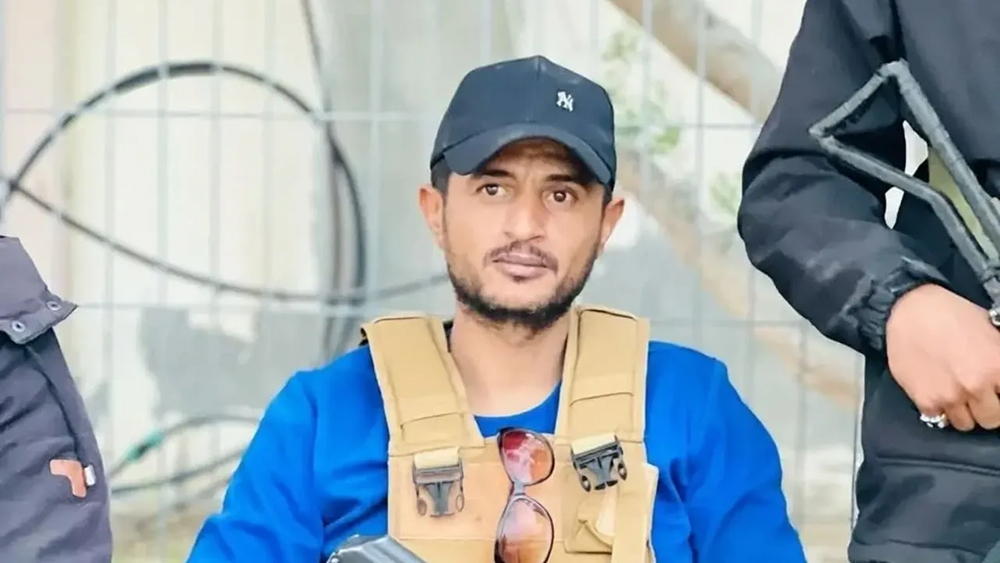
Yasser Abu Shabab, a leader of the Popular Forces militia and scion of the powerful al-Tarabin Bedouin tribe—whose influence spans the western Negev, Gaza Strip, and Sinai Peninsula—delivered a scathing rebuke of Hamas during a series of interviews with Israeli and Arabic-language media. His words, carried by World Israel News, offered a blistering indictment of Hamas’ atrocities during the October 7 attacks and a rallying cry for Gazans disillusioned by years of repression, ruin, and unfulfilled promises.
The interview with Yedioth Aharonoth, summarized and analyzed extensively by World Israel News, offered a rare glimpse into internal Palestinian resistance to Hamas from within the Strip itself. Abu Shabab, who leads both a Bedouin-run criminal syndicate and an armed paramilitary force, declared Hamas’ legitimacy null and void in the wake of its heinous crimes—most notably the abduction and murder of Israeli civilians, including young children.
“Can someone who kidnaps and murders children like the Bibas family really have the legitimacy to define or judge others?” Abu Shabab asked, referencing the harrowing deaths of Shira Bibas and her two sons. “These are despicable subhumans whose end is near.”
Such language, as the report at World Israel News noted, is virtually unheard of from Palestinian voices within Gaza, where dissent is often met with lethal force. Yet Abu Shabab’s standing—both as a tribal leader and as head of the Popular Forces—affords him a unique platform. And he has not hesitated to use it.
Just one day before the interview’s publication, Abu Shabab appeared on Makan, the Israeli national broadcaster’s Arabic radio channel, where he issued what amounted to a declaration of war against Hamas. In defiant tones, he vowed to pursue a “civil war” within Gaza if necessary, asserting that his Popular Forces militia would not recognize any truce that allowed Hamas to retain its grip on power.
According to the information provided in the World Israel News report, Abu Shabab’s militia has gained traction among disenfranchised Gazans, especially Bedouin communities and independent factions alienated by Hamas’ decades-long stranglehold over the Strip. The Popular Forces, while not as heavily armed or internationally backed as Hamas or Palestinian Islamic Jihad, possess deep local knowledge and tribal alliances that make them a growing force within the fractured Palestinian territory.
In response to Abu Shabab’s defiance, Hamas and its affiliated terrorist factions—operating under the umbrella of the Palestinian Joint Operations Room—issued a statement branding him a “paid traitor” to the Palestinian cause. But Abu Shabab was quick to hit back.
“Criminal, thief, ISIS member—all to scare people away from me,” he told Yedioth Aharonoth. “But it hasn’t worked.”
The heart of Abu Shabab’s outrage lies in Hamas’ orchestration of the October 7 massacre, a day that shattered the illusion of security in Israel and left deep scars on both sides of the conflict. According to the information contained in the World Israel News report, Abu Shabab’s condemnation of the assault—particularly the abduction and murder of children—has resonated with Gazans who see their homes destroyed, their economy obliterated, and their families devastated, all while Hamas leaders remain entrenched in fortified tunnels beneath the Strip.
“Hamas planned, implemented, and carried out the horrors of October 7th with no regard for the miserable people living in Gaza,” he said. “We lost everything—our homes, property, jobs, and money—while they live in tunnels lacking nothing. Is there a greater injustice?”
These comments strike at the heart of Hamas’ claim to legitimacy, which has long rested on the narrative that it defends Palestinian dignity and sovereignty. In Abu Shabab’s telling, Hamas has betrayed that mission—sacrificing Gaza’s civilian population in pursuit of ideological fanaticism and geopolitical theater.
In a surprising and morally significant gesture, Abu Shabab went further than many international diplomats and regional leaders by calling directly for the release of the estimated 50 Israeli hostages still held by Hamas.
“We want the Israeli hostages to return home,” he stated. “Every innocent person, from all sides, should return to their home, children, and family.”
As the World Israel News report observed, such a stance is virtually unprecedented from within Gaza, where speaking in favor of Israeli civilians can amount to a death sentence. Yet Abu Shabab’s remarks reflect a wider truth that many Gazans are unwilling—or too terrified—to express: that Hamas no longer serves their interests, and that its violent misadventures have come at an unbearable cost.
“The people of Gaza have already paid an unbearable price for a deranged terrorist organization,” Abu Shabab continued. “We will not leave the Strip and will continue to fight Hamas.”
For observers and analysts cited by World Israel News, Abu Shabab’s emergence as a vocal critic of Hamas marks a potentially transformative moment. While internal resistance to Hamas is not new, rarely has it been so public, so fierce, and so morally clear-eyed. It challenges the assumption that the people of Gaza uniformly support their rulers and offers a glimpse into the possibility of an alternative political and security structure in the post-Hamas era.
His tribe, the al-Tarabin, is among the largest and most historically influential Bedouin families in the region. Their cross-border presence in the Negev, Gaza, and Sinai affords them both leverage and mobility. While tribal alliances are no substitute for democratic governance, they may represent a more organic and community-rooted counterbalance to Hamas’ foreign-funded radicalism.
As the situation in Gaza remains volatile and humanitarian conditions continue to deteriorate, the world is left to grapple with the consequences of Hamas’ continued rule—and the emergence of brave dissenters like Yasser Abu Shabab. His call to action, profiled in the World Israel News report, is not merely a local tribal feud—it is a rebuke of an entire ideological system that has prioritized destruction over diplomacy and bloodshed over building a future.
Whether Abu Shabab’s movement will gain the momentum needed to challenge Hamas militarily remains to be seen. But his words have struck a chord. In a region where silence often signals submission, his voice has pierced through the fear. And for many in Gaza—trapped between terror and despair—it may represent the first flicker of hope in a very long time.
