



|
Getting your Trinity Audio player ready...
|
By: Fern Sidman – Jewish Voice News
Israel is intensifying preparations for the possibility of another large-scale, multi-front confrontation as hostile actors in Gaza, Lebanon, and Syria accelerate efforts to rebuild their military capabilities, raising the specter of a renewed regional escalation reminiscent of the assault that followed the Hamas-led October 7 massacres. According to a report that appeared on Wednesday at World Israel News, mounting intelligence assessments indicate that adversarial groups across the Middle East are working in coordinated fashion to reconstitute the “Axis of Resistance,” which suffered substantial setbacks during nearly two years of conflict with the Jewish state.
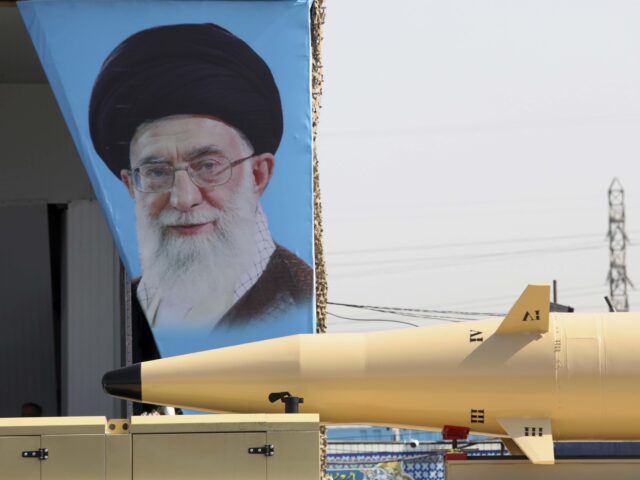
A detailed report published by the Hebrew-language outlet Walla and cited by World Israel News outlines growing concerns within Israel’s defense establishment that Hamas, Hezbollah, and Iranian-backed militias operating in Syria are deepening their collaboration. Intelligence and security sources told Walla that Iran is playing a central organizing role, channeling resources, funding, and strategic direction to its regional proxies in an effort to restore the deterrence and operational capabilities they lost in the aftermath of Israel’s extensive counterterrorism operations.
Senior Israeli officials quoted in the World Israel News report have emphasized that the pace and brazenness of Hezbollah’s activities in southern Lebanon represent a direct violation of the year-old ceasefire arrangement. They warn that the pattern of provocations suggests that Hezbollah is deliberately positioning itself for a future confrontation, relying on Iranian financing to replenish its arsenal, rebuild military infrastructure, and recruit new fighters.
Defense sources note that the terror organization has exploited the relative quiet of recent months to embed weapons depots, rocket-launching capabilities, and command posts within civilian areas across southern Lebanon. These efforts are seen as part of a broader Iranian strategy to create a highly coordinated, multi-theater threat that could stretch Israeli defensive capacity should a new war break out.
Israel has responded by increasing the frequency and scope of its aerial strikes on Hezbollah targets in Lebanon. Recent Israeli Air Force operations have focused on neutralizing newly constructed military sites and preventing the group from establishing fortified positions in proximity to the Israeli border. Despite mounting international pressure, Hezbollah has signaled that it has no intention of disarming, even after the Lebanese government passed a resolution demanding that the organization relinquish its weapons and military authority.
The situation in Syria further compounds Israel’s concerns. As the World Israel News report noted, Iranian-backed militias have been steadily expanding their presence in southern Syria, receiving advanced training, logistical assistance, and weapons from Tehran. Israeli intelligence assessments indicate that these forces could potentially coordinate with Hezbollah and other Iranian proxies to mount a simultaneous, large-scale assault on Israel’s northern frontier.
Complicating matters, the White House has expressed cautious optimism that a new security arrangement between Israel and Syria may be within reach, an agreement that would reportedly require Israel to withdraw from strategic outposts in southern Syria. However, Israeli officials have made clear that Jerusalem has no intention of agreeing to any such withdrawal at a time when Iranian-aligned militias are entrenching themselves along the Syrian side of the Golan Heights.
While Washington remains hopeful that diplomatic engagement could reduce tensions, Israeli defense officials believe the regional landscape is rapidly evolving toward instability. The report at World Israel News has emphasized that Israeli leaders view Iran’s coordinated efforts to resurrect the Axis of Resistance as a direct threat to national security. They fear that Iranian-backed groups could seek to replicate the multi-front strategy employed during the October 7 onslaught, striking Israel simultaneously from Gaza, Lebanon, and Syria to overwhelm defenses.
This week, those concerns were amplified when Israel carried out a series of intensive airstrikes on Hamas targets in Gaza after the terror organization openly violated the ceasefire by firing on Israel Defense Forces operating near the border. The strikes reportedly eliminated a senior Hamas commander and targeted multiple infrastructure sites believed to be integral to the group’s attempt to reconstitute its military capabilities. Israeli officials see these developments as further evidence that Hamas is preparing for a future confrontation and has no intention of honoring its ceasefire obligations.
Under the Trump-brokered ceasefire agreement, Hamas is required to fully disarm, dismantle its military infrastructure, and relinquish its stores of rockets and other weapons. Yet as World Israel News reported, the terror organization has repeatedly delayed implementation of these commitments while simultaneously replenishing its weapons caches through covert smuggling routes and clandestine manufacturing efforts.
Defense analysts warn that Hamas has been working to circumvent international monitoring by dispersing weapons stockpiles in densely populated areas throughout Gaza. These weapons include locally produced rockets, anti-tank systems, and short-range mortars. The organization is also believed to be receiving technical guidance from Iran and other regional militias, part of an effort to build capabilities that could be deployed in coordination with Hezbollah and Syrian-based terrorist groups in a future multi-theater conflict.
Israeli intelligence assessments have additionally highlighted an uptick in operational coordination among leadership circles within Hamas, Hezbollah, and Iranian-backed Syrian militias. According to the information provided in the World Israel News report, Tehran has been facilitating strategic meetings among senior commanders, aiming to increase unity of purpose and synchronize readiness levels across multiple fronts. The objective, Israeli officials believe, is to engineer a moment in which Israel is forced to contend with simultaneous attacks from Gaza, Lebanon, and Syria — a scenario that would mark a significant escalation beyond anything seen since October 7.
The evolving regional picture has prompted Israel’s security establishment to accelerate contingency planning for a potential multi-front war. The IDF has increased its surveillance, reinforced defensive emplacements along the northern border, repositioned armored assets, and expanded the readiness posture of air and intelligence units. Military exercises conducted in recent weeks have reportedly included simulations of coordinated assaults involving rocket barrages from Lebanon, incursions from Syria, and attacks from Gaza.
In addition, Israel has been working closely with U.S. defense officials to share intelligence and ensure regional monitoring mechanisms remain alert. However, as the World Israel News report noted, Israeli officials have expressed frustration that some of their warnings regarding Hezbollah’s ceasefire violations in Lebanon and militia activity in Syria have not yet resulted in decisive diplomatic action.
Israel’s security leadership continues to issue stark warnings about the implications of allowing Iranian-backed groups to rebuild their military networks. While the Trump administration has publicly conveyed hope that calm will prevail, World Israel News reported that Israeli officials view the current moment as one of the most precarious since the October 7 atrocities. They caution that the determination of Iran and its proxies to reconstitute the Axis of Resistance — despite widespread destruction and international pressure — signals a long-term strategic challenge that Israel cannot afford to ignore.
In this volatile environment, Jerusalem is preparing for the possibility of swift and unexpected escalations. Israeli leaders remain committed to preempting any threat and preventing an adversarial coalition from achieving the kind of multi-front military coordination that could jeopardize national security.