



|
Getting your Trinity Audio player ready...
|
Qatar’s 100-Year Strategy
How a tiny Gulf state built one of the most powerful influence empires of the modern age y
By: Mansoor Hussain Laghari
For most of the world, Qatar is seen as a small, wealthy Gulf state. A place of skyscrapers, luxury airlines, and World Cup stadiums. But behind this glossy image lies one of the most sophisticated long-term geopolitical strategies of the 21st century. Qatar has done something few countries in history have achieved. With barely 300,000 citizens, no meaningful army, and no strategic depth, it has turned itself into a global powerbroker whose influence reaches deep into Western politics, media, universities, and Middle Eastern conflicts. This was not accidental. It was planned.
Qatar’s leadership understood a brutal reality early on. They could not survive by force. They could not dominate by population. They could not rely on geography. So they chose a different path. They decided to control narratives, institutions, and leverage instead of territory. This is what I call Qatar’s 100-year strategy. The first pillar of this strategy was energy dependency. Qatar does not simply sell natural gas. It locks entire regions into long-term reliance. By financing LNG terminals, ports, and supply chains in Europe and Asia, Qatar ensured that its customers cannot easily replace it.
When your factories, power plants, and heating systems depend on Qatari gas, Qatar becomes untouchable. Energy turned into political insurance. The second pillar was media power. Al Jazeera was not created merely to report news. It was built to shape it. The network learned how to influence public opinion in the Arab world, and later in the West, by amplifying some stories and burying others. It learned how to turn outrage into political pressure and political pressure into diplomatic outcomes.
The third pillar was Qatar’s investment in political Islam. Rather than committing to one ideology or group, Qatar funded them all. Muslim Brotherhood networks, Hamas, clerical institutions, youth movements, charities, and lobbying organizations. This ensured that no matter which faction rose or fell, Qatar would retain leverage. The fourth pillar was penetration of Western institutions.
Qatar poured billions into universities, think tanks, research centers, sports leagues, lobbying firms, and political networks. These investments created ecosystems of dependency. The fifth pillar was the NGO shield. Qatar understood that modern wars are not fought only with weapons but with moral language. By funding or influencing human rights groups, refugee organizations, and social justice campaigns, it created a protective barrier.
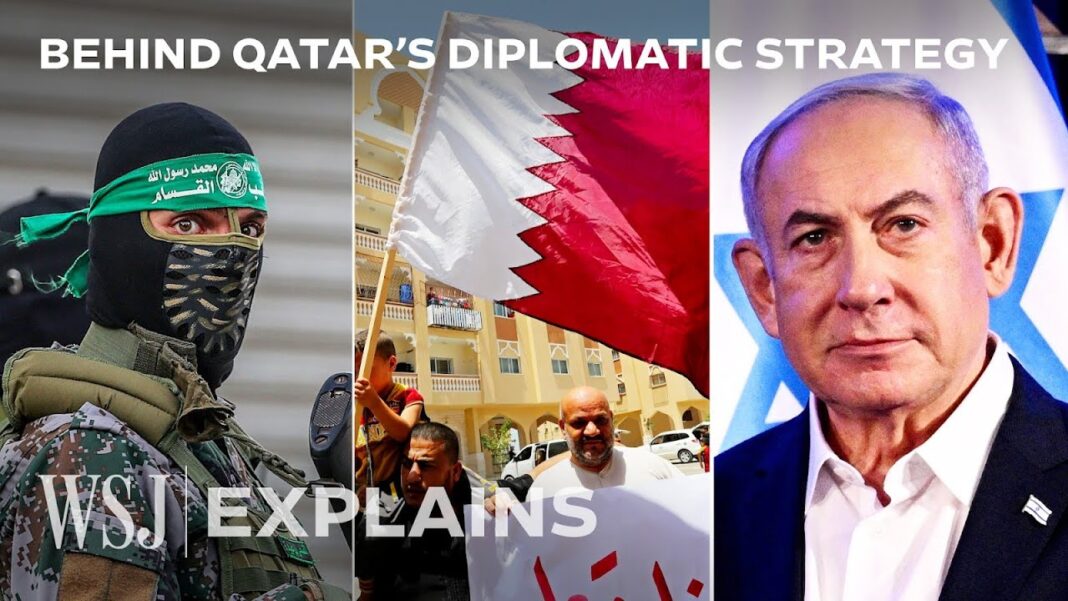
The sixth pillar was hostage diplomacy and militant mediation. Qatar positioned itself as indispensable. When hostages are taken or conflicts erupt, Doha becomes the address everyone must call. The seventh pillar was the Israel insurance policy. Qatar simultaneously funded Hamas, financed humanitarian aid to Gaza, maintained diplomatic channels with Israel, and hosted the largest American military base in the Middle East.
The final pillar was generational capture. Qatar invested in the people who will write, teach, protest, and govern in the decades to come. October 7 did not create this system. It exposed it. In the 21st century, influence is not built through tanks and borders. It is built through money, narratives, institutions, and moral pressure. Qatar mastered that game earlier than anyone else.