








|
Getting your Trinity Audio player ready...
|
By: Tzirel Rosenblatt
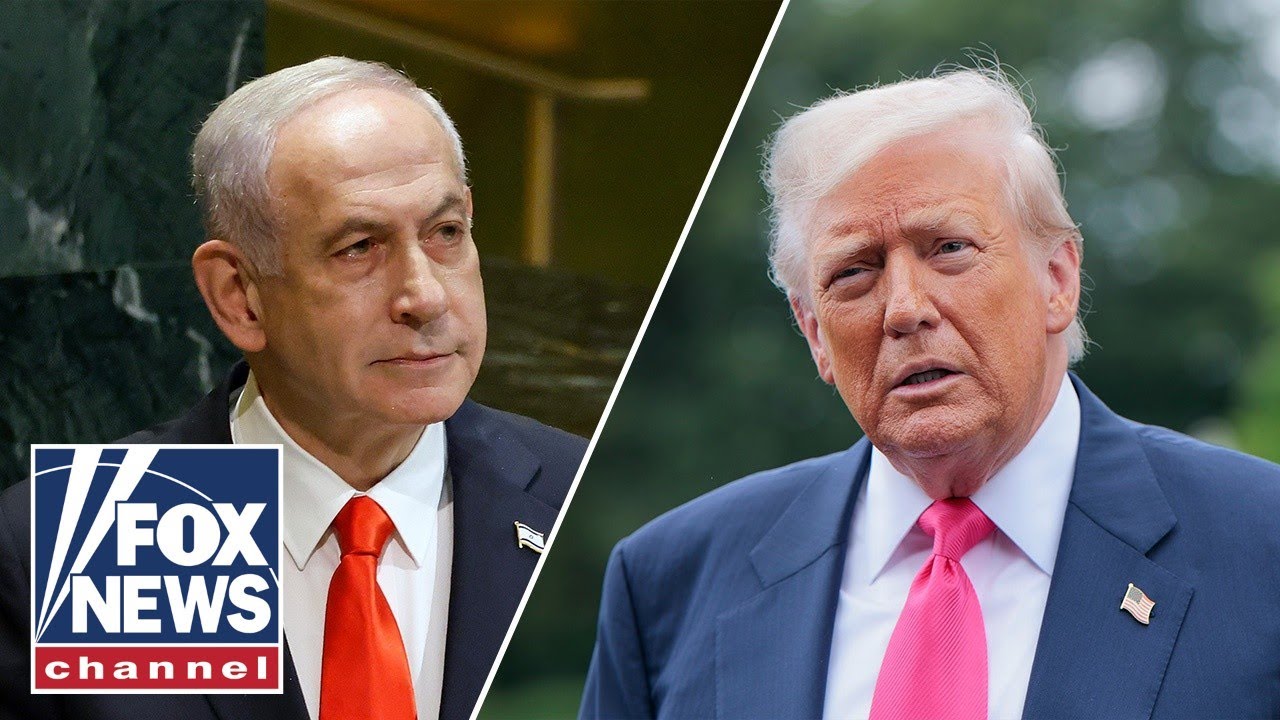
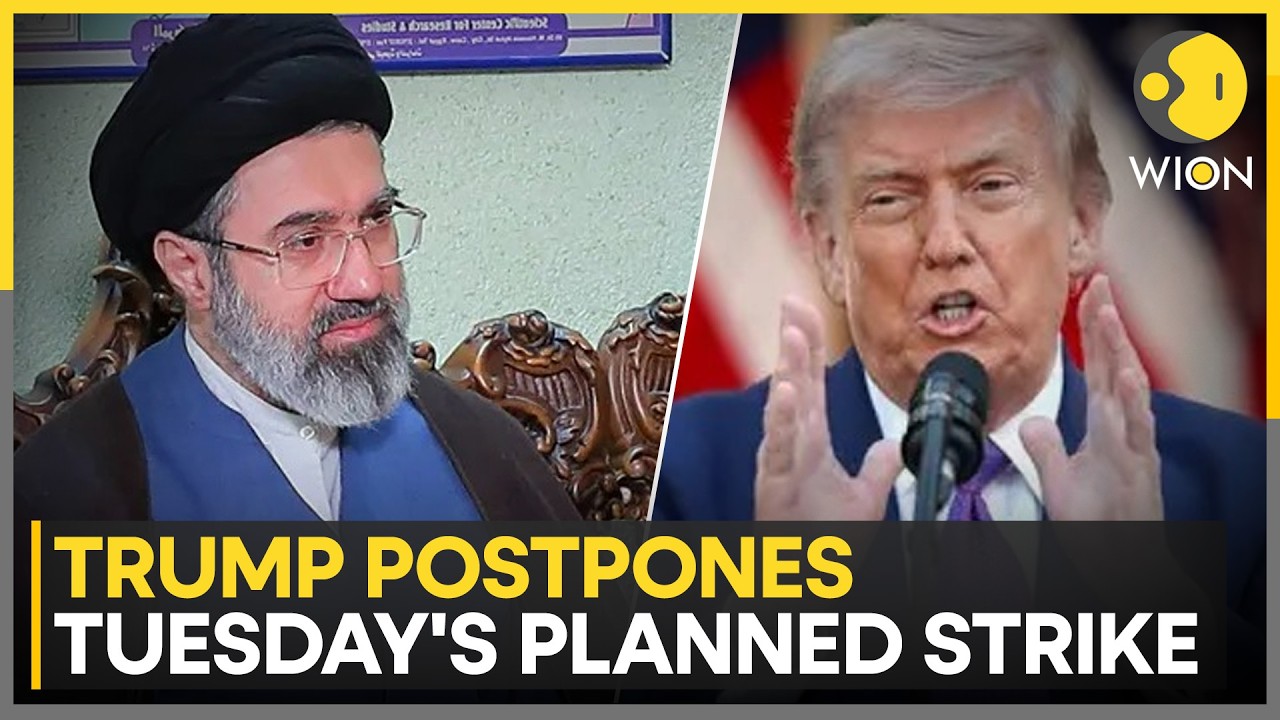
In a dramatic and consequential turn of events that underscores the precarious balance between diplomacy and military escalation, President Trump revealed that the United States had been on the brink of launching a direct military strike against Iran, only to suspend the operation at the eleventh hour amid what he described as “serious negotiations” now unfolding across the region.
As reported on Monday by Israel National News, the President disclosed that a planned strike scheduled for Tuesday had been halted following urgent appeals from key Middle Eastern leaders. The intervention, Trump asserted, came from figures he characterized as both “great leaders and allies,” including Emir of Qatar, Tamim bin Hamad Al Thani, the Crown Prince of Saudi Arabia, Mohammed bin Salman Al Saud, and the President of the United Arab Emirates, Mohamed bin Zayed Al Nahyan.
In a detailed post on Truth Social, Trump wrote that these leaders had urged him to “hold off on our planned military attack of the Islamic Republic of Iran, which was scheduled for tomorrow,” emphasizing that “serious negotiations are now taking place.” He added that, in their collective assessment, “a deal will be made, which will be very acceptable to the United States of America, as well as all countries in the Middle East, and beyond.”
Central to the President’s framing of the negotiations was a single, unequivocal condition. “This Deal will include, importantly, no nuclear weapons for Iran!” Trump declared, underscoring what has long been the cornerstone of Washington’s strategic posture toward Tehran.
Yet even as he announced the suspension of immediate military action, Trump paired his diplomatic overture with a stark warning. “Based on my respect for the above mentioned Leaders,” he wrote, “I have instructed Secretary of War, Pete Hegseth, The Chairman of The Joint Chiefs of Staff, General Daniel Caine, and The United States Military, that we will not be doing the scheduled attack of Iran tomorrow.” However, he continued, the armed forces had also been directed “to be prepared to go forward with a full, large scale assault of Iran, on a moment’s notice, in the event that an acceptable deal is not reached.”
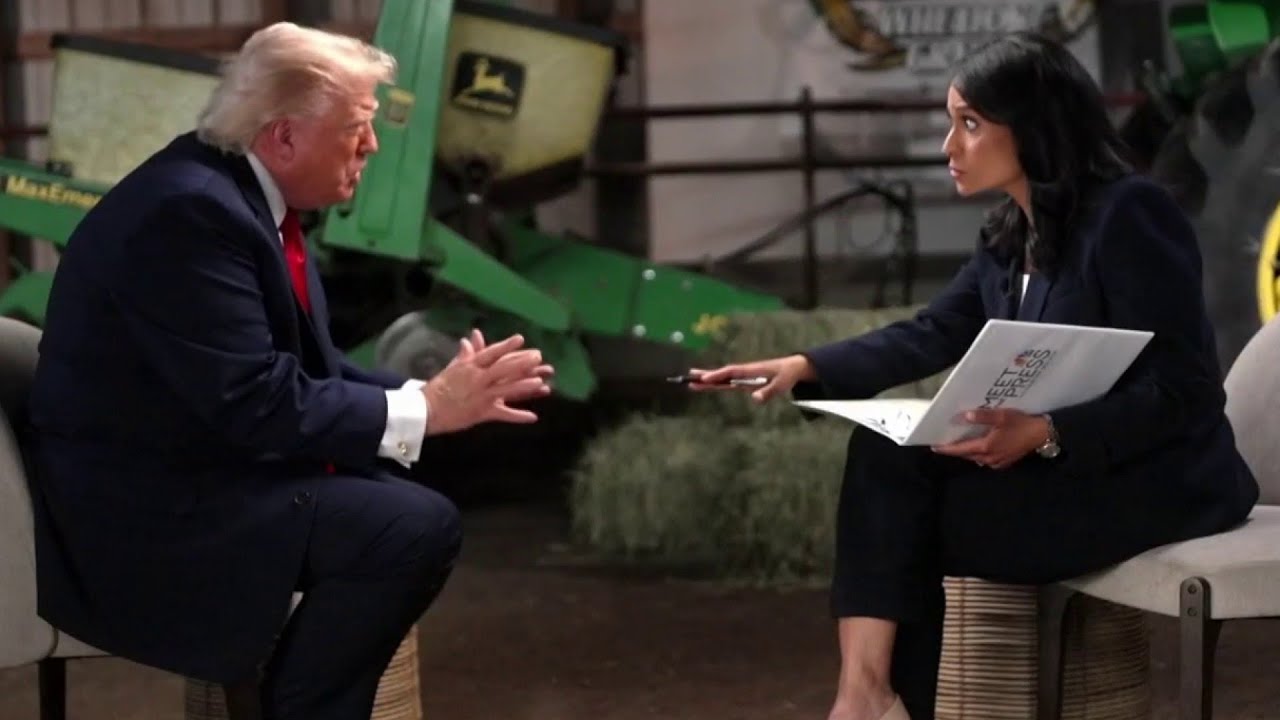
This dual-track strategy—combining active negotiations with the explicit threat of overwhelming force—has come to define the current phase of U.S. policy. As The New York Post reported, Trump reinforced this posture in a subsequent interview, stating bluntly that Iran is fully aware of the stakes. “They know what’s going to be happening soon,” he said, adding that he remains “not open” to further concessions.
The President’s remarks reflect a growing impatience within the administration as diplomatic efforts appear to stall. According to both Reuters and Axios, recent proposals submitted by Tehran have failed to satisfy Washington’s core demands, particularly regarding the dismantling of Iran’s nuclear infrastructure.
The latest Iranian proposal, transmitted through Pakistani intermediaries, reportedly includes broader language committing the Islamic Republic not to pursue nuclear weapons. However, as Israel National News and Reuters have indicated, the document stops short of addressing critical issues such as uranium enrichment levels and the status of Iran’s stockpile of highly enriched material.
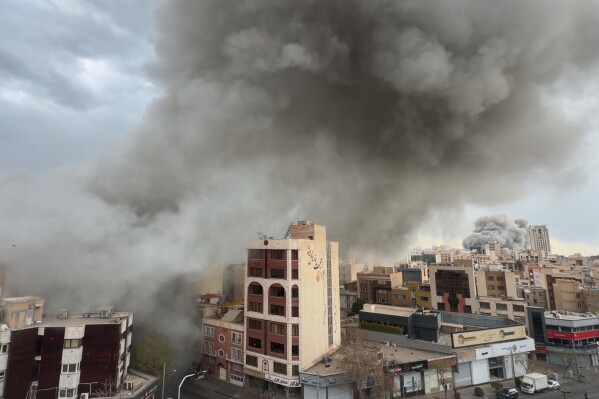
This omission has proven to be a significant stumbling block. A senior U.S. official, cited by Axios, dismissed the proposal as insufficient, stating that it “does not represent a meaningful improvement.” The same official offered a sobering assessment of the negotiations’ trajectory: “We are really not making a lot of progress. We are at a very serious place today.”
Complicating matters further are conflicting narratives emerging from both sides regarding the scope of potential concessions. An Iranian official, speaking to Reuters, claimed that Washington had demonstrated a degree of flexibility in discussions, including a willingness to consider partial financial relief. According to this account, the United States had agreed “at this stage to unfreeze 25 percent of Iran’s frozen funds under a defined timetable.”
Such claims, however, have been categorically rejected by American officials. Axios reported that U.S. representatives have denied any agreement to sanctions relief, emphasizing that any such measures would be contingent upon verifiable and reciprocal steps by Tehran. This divergence in public messaging highlights the fragile and often opaque nature of the negotiations process.
Iran’s own demands, as outlined by sources familiar with the discussions, remain expansive. Tehran is reportedly seeking the full release of frozen assets, a permanent cessation of hostilities, the lifting of all sanctions, and the reopening of critical maritime routes, including the Strait of Hormuz. These conditions, taken together, represent a comprehensive reconfiguration of the current geopolitical landscape—one that Washington appears unwilling to accept without substantial concessions in return.
The stakes of the ongoing negotiations cannot be overstated. The Strait of Hormuz, in particular, occupies a central role in global energy markets, and any disruption to its operations would have far-reaching economic consequences. Similarly, the question of Iran’s nuclear capabilities continues to loom large, with both regional and international actors viewing the issue as a potential flashpoint for broader conflict.
Against this backdrop, the intervention of Gulf leaders assumes added significance. Their appeal to delay military action reflects a shared interest in de-escalation, even as they remain acutely aware of the risks posed by a nuclear-armed Iran. Trump’s decision to heed their request suggests a recognition of the complex interplay between regional diplomacy and American strategic objectives.
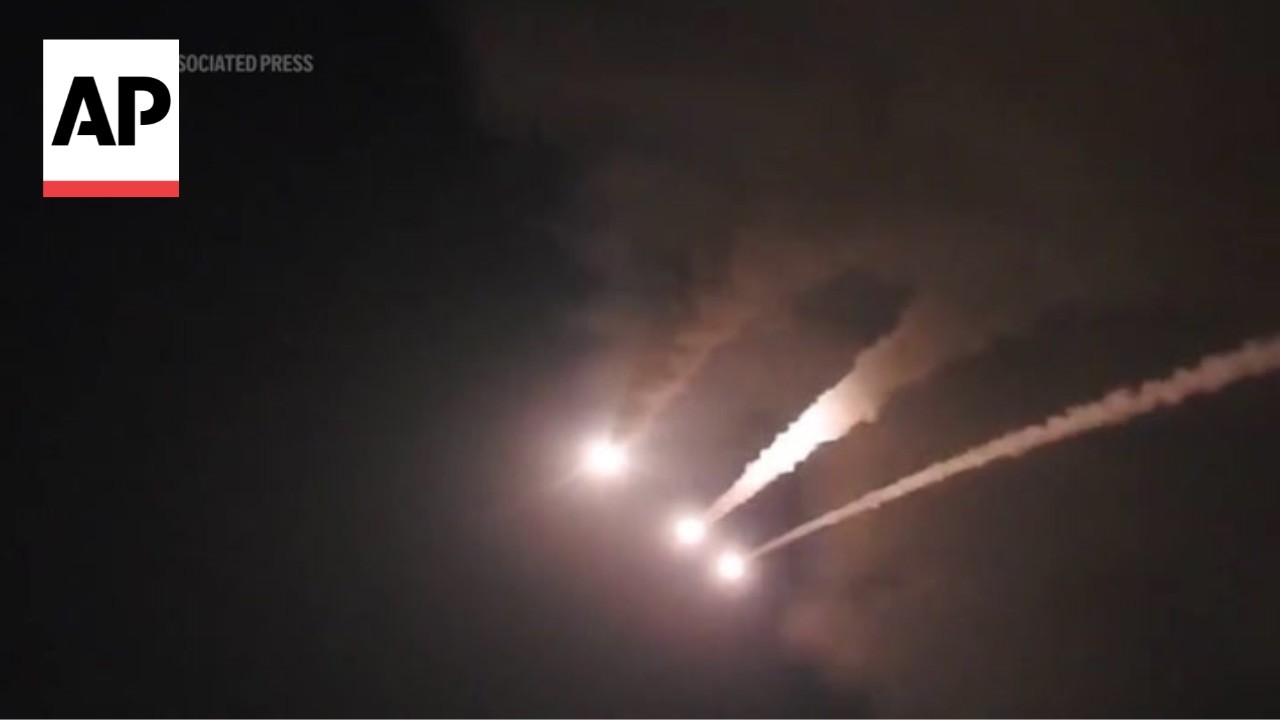
Yet the underlying tension remains unresolved. The ceasefire currently in place is widely regarded as tenuous, with both sides preparing for the possibility of renewed hostilities. Trump’s directive to maintain readiness for a “full, large scale assault” serves as a stark reminder that the window for diplomacy may be rapidly closing.
As The New York Post report observed, the administration’s approach reflects a calculated effort to leverage the threat of force as a means of extracting concessions. Whether this strategy will yield the desired outcome remains an open question.
For now, the international community watches with a mixture of anticipation and apprehension. The outcome of these negotiations will not only determine the immediate trajectory of U.S.-Iran relations but also shape the broader contours of Middle Eastern geopolitics.
In the words of one senior official cited by Axios, the situation has reached a critical juncture. “We are at a very serious place today,” he said—a statement that encapsulates the gravity of the moment.
Whether the current pause represents a genuine opportunity for resolution or merely a temporary reprieve before escalation is uncertain. What is clear, however, is that the margin for error has narrowed considerably.
The choice now confronting policymakers is stark: a negotiated settlement that definitively curtails Iran’s nuclear ambitions, or a return to open conflict with consequences that could reverberate far beyond the region.
As President Trump himself made unmistakably clear, the clock is ticking—and the next move may well determine the course of history.
Fragile Diplomacy and Fiery Rhetoric
In a moment defined by both cautious diplomatic maneuvering and unmistakable escalation in rhetoric, a new Iranian proposal—conveyed to Washington through Pakistani intermediaries—has introduced a fresh yet deeply contested dimension to ongoing efforts to end hostilities between the United States and the Islamic Republic of Iran. As reported by Israel National News, the proposal, delivered Sunday night via Islamabad, reflects a complex interplay between stated commitments, unresolved disputes, and a broader struggle to reconcile fundamentally divergent strategic priorities.
According to a Pakistani source cited by Israel National News, the updated Iranian framework includes what is described as an “official commitment not to produce nuclear weapons.” This declaration, while notable in its clarity, is accompanied by conspicuous omissions that continue to frustrate American negotiators. Chief among these is the absence of any substantive engagement with the issue of enriched uranium—a central pillar of international concern—as well as the ongoing crisis surrounding the Strait of Hormuz, a maritime chokepoint of immense geopolitical and economic significance.
The continuation of indirect contacts between Washington and Tehran, facilitated through Pakistani mediation, underscores the fragile hope for a diplomatic resolution. Yet the contours of the proposal itself reveal the extent to which the two sides remain far apart. While Iran’s stated commitment addresses one of the core anxieties driving the conflict, its silence on enrichment and regional security dynamics suggests a deliberate narrowing of scope—one that has raised skepticism among American officials and analysts alike.
President Trump, speaking candidly in an interview with Fortune magazine, offered a sharply critical assessment of Tehran’s negotiating posture. His remarks, as quoted by Israel National News, reflect both frustration and incredulity at what he perceives as a pattern of inconsistency.
“They scream all the time,” Trump said, referring to Iranian negotiators. He continued with characteristic bluntness: “I can tell you one thing—they’re dying to sign [a deal]. But they make a deal, and then they send you a paper that has no relationship to the deal you made. I say, ‘Are you people crazy?’ ”
This unvarnished critique encapsulates a central tension in the current negotiations: the apparent disconnect between preliminary understandings and formal proposals. For the Trump administration, the credibility of any agreement hinges not merely on stated intentions but on the coherence and enforceability of its terms. The President’s remarks suggest a growing impatience with what he views as duplicity or, at the very least, disorganization within the Iranian negotiating apparatus.
From Tehran’s perspective, however, the priorities appear markedly different. Iranian Foreign Ministry spokesman Esmaeil Baghaei articulated a position that shifts the focus away from nuclear specifics and toward the broader objective of de-escalation.
“Regarding issues related to the nuclear [matter], we have explicitly clarified our positions,” Baghaei stated, as reported by Israel National News. He emphasized that, “at this stage, our focus is on ending the war, in accordance with the boundaries which I explained in various meetings.”
This reframing of priorities reflects a strategic calculation on Tehran’s part. By foregrounding the cessation of hostilities, Iranian officials appear to be seeking immediate relief from the pressures of conflict, while deferring more contentious issues—such as uranium enrichment—to a later stage. Baghaei made this approach explicit, noting that “as for the nuclear issue, we also emphasized that we will not give up our rights under the Nuclear Non-Proliferation Treaty.”
The invocation of treaty rights is a recurring theme in Iran’s diplomatic rhetoric, serving both as a legal justification for its nuclear activities and as a signal of its unwillingness to accept constraints perceived as infringing upon national sovereignty. At the same time, Baghaei acknowledged that “we also have not discussed the details of the nuclear issues,” reinforcing the notion that the current phase of negotiations is narrowly focused on immediate de-escalation.
Yet this emphasis on diplomacy is accompanied by a parallel assertion of military readiness. In language that leaves little room for ambiguity, Baghaei warned that Iran remains fully prepared to respond to any escalation.
“We are advancing diplomacy seriously, but we do not intend to surrender to the contradictory behavior and threats of the parties against us,” he declared. He went on to issue a stark warning: “We are fully prepared for any scenario, and as our armed forces have shown over the past 40 days, in the event of any insane action, we will respond with full force.”
Perhaps most strikingly, Baghaei hinted at the possibility of further escalation, stating, “I also assure you that our armed forces will also have new surprises for the enemy.” This phrase, laden with both menace and ambiguity, serves as a reminder that even as diplomatic channels remain open, the potential for renewed conflict looms large.
The juxtaposition of these statements—Trump’s blunt critique and Baghaei’s dual emphasis on diplomacy and deterrence—highlights the deeply asymmetrical nature of the current crisis. Each side is operating within its own strategic framework, prioritizing different objectives and employing distinct rhetorical strategies.
For Washington, the central concern remains the elimination of any pathway to an Iranian nuclear weapon. This objective is not merely a matter of policy but a cornerstone of broader regional security considerations. The absence of concrete provisions addressing uranium enrichment in the Iranian proposal is therefore seen as a critical deficiency—one that undermines confidence in Tehran’s commitment.
For Iran, by contrast, the immediate imperative appears to be the cessation of hostilities and the preservation of its rights under international agreements. The emphasis on ending the war reflects both the practical realities of sustained conflict and a broader desire to reassert sovereignty in the face of external pressure.
The role of Pakistan as an intermediary adds another layer of complexity to the situation. Islamabad’s involvement reflects its unique position as a regional actor with ties to both sides, as well as its interest in promoting stability in a volatile geopolitical environment. The transmission of the Iranian proposal through Pakistani channels underscores the indirect nature of the current negotiations, which remain constrained by mutual distrust and the absence of direct dialogue.