



|
Getting your Trinity Audio player ready...
|
By Jared Evan
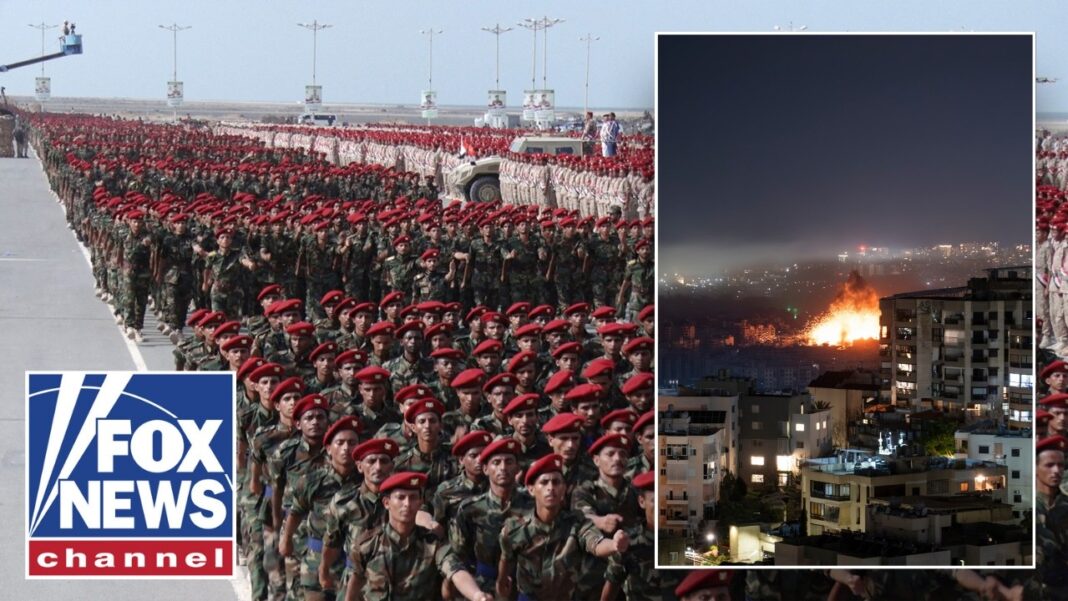
(TJV NEWS) Iran-backed Houthi forces in Yemen have entered the growing Middle East conflict, launching a missile toward Israel in a move that underscores how the war is spreading beyond its original fronts, according to a Washington Post report.
The missile was intercepted by Israeli air defenses, but the attack marked a significant escalation. As the Washington Post report notes, the Houthis said they were targeting Israeli military sites, highlighting their alignment with Iran and their readiness to play a more direct role in the conflict.
The development has raised alarms that Iran’s broader network of proxy groups is becoming increasingly active. The Houthis had previously threatened to intervene, and their involvement now opens a new front stretching from Yemen toward Israel. According to the Washington Post report, the group has already shown its ability to disrupt international shipping, particularly in the Red Sea, making their participation especially concerning for global trade.
The timing comes as tensions between the United States, Israel, and Iran continue to intensify. The Washington Post report highlights growing fears about the security of key oil routes, especially as instability affects critical waterways tied to global energy supplies.
In response, the United States has moved additional military assets into the region. As detailed in the Washington Post report, this includes deployments aimed at deterring further escalation and preparing for the possibility of a wider regional war involving multiple Iran-backed forces.
At the same time, Israel remains under pressure in the north from Hezbollah, which continues to launch rockets and drones. The Washington Post report points out that Israel is now facing threats on multiple fronts, increasing the risk of a broader and more dangerous conflict.
The involvement of the Houthis signals a turning point, showing how quickly the situation is evolving into a multi-front war tied to Iran’s regional influence. With more actors entering the fight and global economic concerns mounting, the conflict appears increasingly difficult to contain.
