



|
Getting your Trinity Audio player ready...
|
The Relentless Grip of Winter: Arctic Winds Return to NYC as the Northeast Braces for Another Brutal Cold Wave
By: Fern Sidman
After weeks of unyielding cold that have already exacted a grim human toll, the winter-weary Mid-Atlantic and Northeast are being summoned once more into the deep freeze. Forecasters warn that frigid temperatures, biting winds and intermittent snow will again sweep across the region in the days ahead, extending the season’s punishing run of extreme weather. As The New York Post reported on Tuesday, New York City and its neighboring states face another round of Arctic air just as communities are struggling to recover from a cold snap that has already claimed lives and strained emergency services.
Meteorologists say the approaching pattern bears the hallmarks of a winter reluctant to loosen its grip. Bob Larson, a forecaster who spoke to The New York Post, described a series of fast-moving systems that will deliver modest snowfall but, more ominously, usher in another surge of brutal cold. In the Ohio River Valley, parts of which include Cincinnati and northern Kentucky, residents were expected to see between half an inch and two inches of snow overnight Tuesday.
The system’s reach will extend into West Virginia and central Virginia, carrying with it the familiar recipe of slick roads and treacherous travel conditions. Further south, another storm following a similar trajectory is poised to clip Roanoke, Virginia, and the northernmost reaches of North Carolina, with snowfall totals of one to three inches likely in those areas, Larson told The New York Post.
For New York City, which briefly enjoyed a fleeting reprieve as temperatures edged above the freezing mark, the forecast offers little comfort. According to information provided in The New York Post report, a fast-moving clipper system is expected to brush past the East Coast by Friday, bringing with it light snow and a renewed onslaught of frigid air. The timing, Larson explained, suggests that snow could begin as early as late Friday afternoon or early evening, setting the stage for hazardous conditions during the evening commute. While the snowfall itself is not expected to be heavy, the meteorological aftershock will be severe. Winds are forecast to strengthen as the clipper passes, ushering in a period of blustery, bone-chilling cold that will dominate the weekend.
The temperature profile underscores the severity of what lies ahead. Forecasters cited by The New York Post predict that Friday night’s low will dip to around 21 degrees, with conditions deteriorating sharply by Saturday evening. Winds of 15 to 30 miles per hour will conspire with plunging temperatures to drive wind chills into the single digits, creating a “real-feel” that could be perilous for anyone exposed for prolonged periods. Sunday promises little relief. With winds still gusting between 10 and 20 miles per hour, a daytime high near 20 degrees is expected to feel far colder, prolonging the sense of a city locked in winter’s vise.
The human cost of this season’s relentless cold has already been stark. As The New York Post has documented, Mayor Zohran Mamdani disclosed that the death toll from the recent cold snap has risen to 16 New Yorkers. Thirteen of those deaths were attributed to hypothermia, while three were linked to overdoses, underscoring the tragic intersection of extreme weather with the city’s ongoing public health crises. Each frigid night compounds the vulnerability of those without adequate shelter, and city officials have been under mounting pressure to expand warming centers and outreach efforts as temperatures plunge anew.
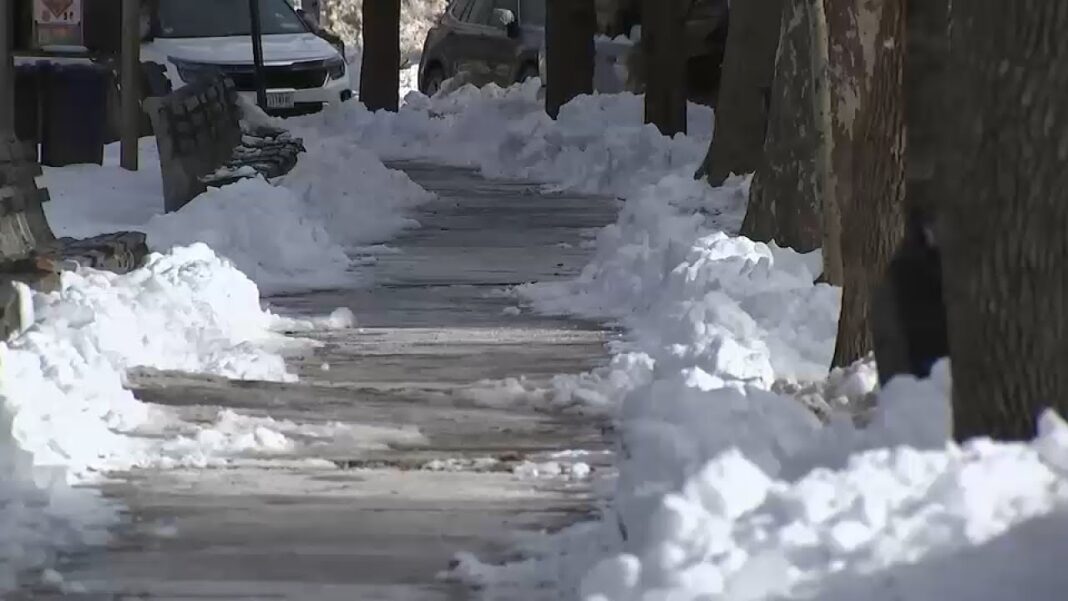
The forecast snow totals for the immediate region may appear modest in isolation, but they carry cumulative consequences. The New York Post reported that New York City could see up to an inch of accumulation, while parts of New Jersey, Orange County in New York, and the Poconos in Pennsylvania may receive up to three inches. Even light snow, falling on already frozen and snow-packed surfaces, can transform roads and sidewalks into hazards. Emergency responders, sanitation workers and transit officials are bracing for another round of operational challenges, from icy thoroughfares to delayed services.
Meteorologists emphasize that the greater threat lies not in the snowfall itself but in the cold that follows. Larson told The New York Post that while snow could make roads slippery, it is the prolonged and intense cold that poses the most serious risk. Prolonged exposure can lead to hypothermia and frostbite, while frozen pipes, power outages and strained heating systems place additional burdens on households and infrastructure. In older buildings, particularly those with outdated insulation and heating systems, residents may find themselves battling the cold indoors as well as out.
The broader meteorological pattern driving this prolonged chill reflects a persistent configuration of atmospheric pressure systems that funnel Arctic air southward. Though such patterns are not unprecedented, their durability this season has been striking. The New York Post’s weather coverage has traced how successive cold fronts have repeatedly undercut any brief warming trends, producing a winter that feels unrelenting in both duration and intensity. For residents accustomed to the ebb and flow of seasonal cold spells, the current pattern has felt more like a siege than a series of passing storms.
Yet there is a glimmer of reprieve on the horizon. Forecasters told The New York Post that a “substantial thaw” may arrive by the middle of next week, with temperatures potentially climbing into the 40s by Wednesday and extending into the latter half of the week. Larson described this as a more noticeable and potentially longer-lasting break from the extreme cold, offering the prospect of a temporary easing of winter’s grip. Such a thaw would not only lift spirits but also provide a crucial window for municipalities to clear snowbanks, repair infrastructure and prepare for whatever the remainder of the season may bring.
Still, even the promise of warmer days is tempered by caution. A sudden thaw following prolonged freezing can create its own hazards, from icy meltwater refreezing overnight to the destabilization of snow-laden roofs. The New York Post report noted that in previous winters rapid temperature swings often bring a secondary wave of accidents and maintenance challenges. City agencies, already stretched by weeks of snow removal and emergency response, will be tasked with navigating the transition carefully.
For New Yorkers, the coming days will require resilience and vigilance. The city’s vast population includes millions who rely on public transit, walk long distances to work, or live in housing where heating systems are unreliable. The New York Post report highlighted the particular vulnerability of seniors, the unhoused and those with underlying health conditions during periods of extreme cold. Community organizations and city services are once again being called upon to ensure that no one is left to face the Arctic winds alone.
As winter presses on, the narrative of this season has become one of endurance. Each forecast of snow and cold is received not with surprise but with weary acceptance. Yet the accumulation of these weather events—measured not only in inches of snow but in the lives disrupted and lost—imbues each new storm with gravity.
The next few days will test that resolve once more. As clippers race along the East Coast and Arctic air pours southward, the Northeast braces for another chapter in a winter that seems determined to write itself into memory. Whether the promised thaw will offer lasting relief remains uncertain. For now, residents are left to bundle up, look out for one another, and hope that the horizon’s faint hint of warmth will soon become more than a forecast.
