



|
Getting your Trinity Audio player ready...
|
Edited by: TJVNews.com
A once-trendy four-star hotel in Long Island City has found itself at the center of a heated debate as it transforms into a shelter for illegal migrants, according to a report in the New York Post. The move comes as New York City faces a mounting influx of migrants who crossed the southern border of the United States and grapples with the challenge of accommodating them while addressing the concerns of local residents, the report added.
The Collective Paper Factory hotel, with its industrial-chic aesthetic and loft-style rooms, was once a historic paper factory and a prominent fixture in the Queens neighborhood. However, according to the Post report, its recent conversion into a Department of Homeless Services emergency shelter for families has sparked dissatisfaction among residents of Long Island City.
The process of transforming the hotel began on Friday, as 16 families moved in to occupy the space. The Post also reported that plans are reportedly underway to house a total of 125 families in the former hotel. The building, which boasts amenities like a gym, communal spaces, meeting rooms, a bar, and a restaurant, has now taken on a new role as a temporary residence for the burgeoning number of migrants.
Local residents, however, are expressing their concerns about the impact of the shelter on their neighborhood. As was reported by the Post, complaints range from littering on the streets to disruptive behavior. One resident, who wished to remain anonymous, voiced his frustration about the apparent lack of regulations and background checks for the newcomers, the Post reported. He described witnessing families consuming alcohol on the streets and expressed concerns about the neighborhood’s safety and character.
“There is already littering on the streets — cans and Coca Cola bottles. It’s just a day later,” the resident, who wanted to remain anonymous, told The Post.
“Last night, I saw a family of five or six children, a mother and a father sitting on their cars with some friends just having some beers, and I was walking my dog on the street and a little kid was going ‘Woof! Woof!’ to my dog,” he said.
“What are the regulations for them coming in here? Are there background checks? I don’t know,” he continued, the Post reported. “It just makes us nervous. We don’t want the whole block to become a hangout spot.”
Michael Cohen, the owner of a nearby 85-unit rent-stabilized apartment building, condemned the city’s decision to convert the upscale hotel into a migrant shelter. He told the Queens/LIC Post that this choice contradicts the neighborhood’s development efforts over the past 15 years and goes against the substantial financial investments made in the area, the Post report said.
“This use of this building is taking the neighborhood in exactly the opposite direction, given all the time, energy, zoning changes, and financial investments put into it, including from the city,” Cohen seethed.
“I’m appalled by this action from this city because it is contrary to everything that has happened to the area in the last 15 years,” Cohen told the Post.
According to a June report by MNS Real Estate, the average one-bedroom rental in Long Island City goes for $3,956, more than any other neighborhood in Queens, as was reported by the Post.
According to a report by broker Ryan Serhant, the average condo in the neighborhood sold for $989,677 during the second quarter of 2023 – even though it represented a 6.3% drop from the previous year, the report in the Post said.
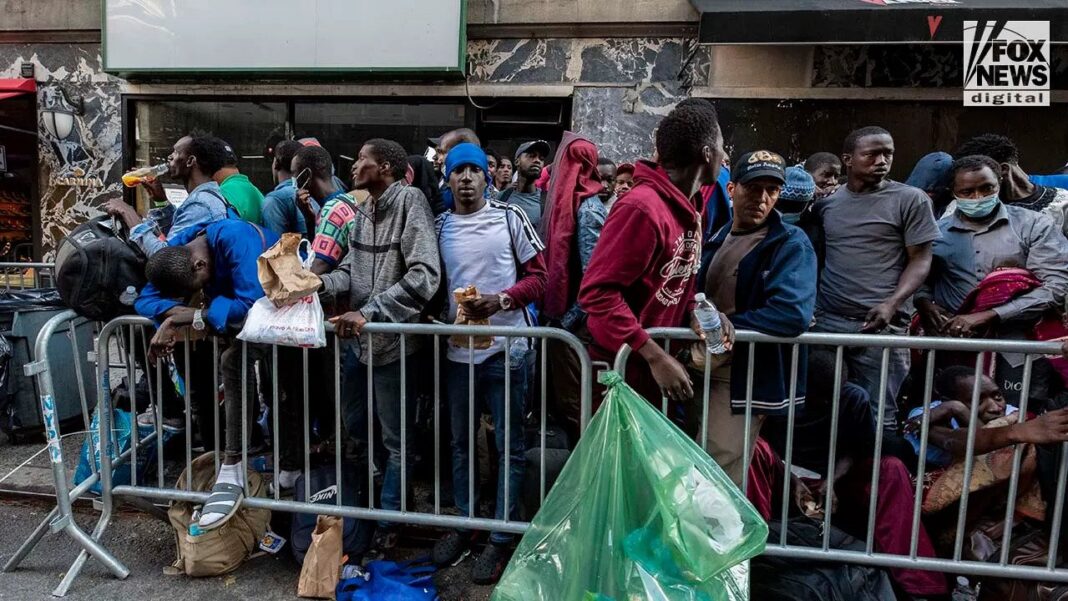
More than 100,000 asylum seekers have arrived in New York City since last spring.
The report also stated that the city has taken in over 100,000 migrants since the previous spring, leading to the need for numerous shelter sites across the five boroughs.
Mayor Eric Adams recently reached an agreement with Governor Kathy Hochul to relocate 1,200 migrant families outside the city, an attempt to alleviate pressure on New York City’s shelter system, according to the Post report. Hochul also announced a $250 million boost to help cover migrant-related costs, part of a $1 billion allocation for the city in the 2024 budget. The Post report said that this financial aid is intended to assist with expenses related to security, staffing, transportation, food, supplies, and cleaning.