



By Ellen Cans
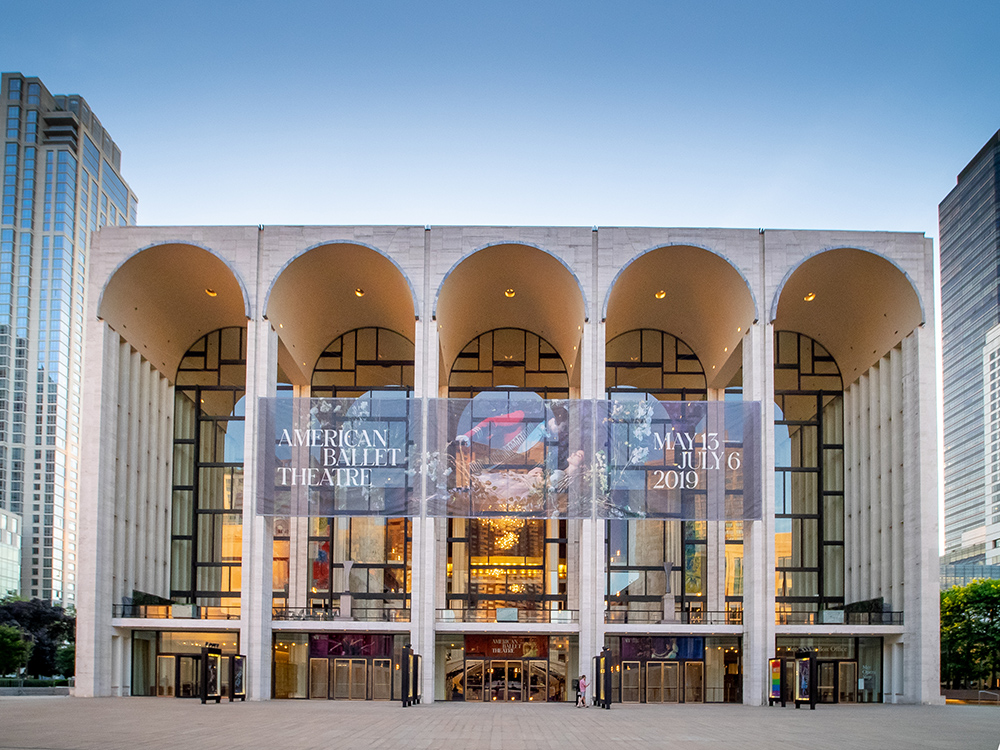
The Metropolitan Opera has formally requested that a judge block disgraced singer David Daniels’ bid to get paid for his cancelled contract, after being fired for sexual assault allegations.
As reported by the NY Post, the 54-year-old singer and world-famous countertenor and his husband Scott Walters were criminally charged for allegedly raping opera singer Samuel Schultz, in Houston, Texas on May 2010. Schultz made the allegations in August 2018, accusing the pair of drugging and raping him following an opera performance when he was still a 23-year-old student. Last month, Daniels, who was also a University of Michigan professor, sought to begin arbitration seeking payment from the Met for his cancelled contract to perform in “Agrippina” amid the allegations, as per the Met’s court filing.
Daniels’ lawyer claimed that his contract with the Met cannot be nullified by any legal means without the occurrence of a special condition such as a fire, epidemic, war, or an Act of God. “None of the above conditions existed or occurred prior to or during the rehearsals for the scheduled performances,” read an Oct. 31 letter from Daniels’ lawyer Francyne Stacey requesting arbitration. The letter says that Daniels’ is therefore entitled to payments under the contract.
On Friday, the Met filed a petition in Manhattan Supreme Court to throw out Daniel’s request, as per court papers. The Opera House maintains that a request for arbitration must by law always be made within three weeks of termination. That time frame has already passed. Stacey’s “letter failed to comply with multiple requirements for a demand for arbitration under Daniels’ Contract or the CBA [Collective Bargaining Agreement],” reads the Met’s petition. “Daniels did not meet any of these conditions precedent to arbitration,” the court papers continue.
Daniels’ lawyer Francyne Stacey declined to comment on the Met’s response.
The case underlines precisely how the industry’s contracts were lacking of any moral clause, which would serve to prohibit certain behavior that could embarrass an employer. Numerous such cases of disgraced performers ended with the contract or parts therein being paid by the employer despite their dismissal. Moral clauses are now a common addition in contracts in the entertainment sector, with lawyers adding wording to prohibit an artist from engaging in conduct that would bring “public disrepute, scandal, embarrassment,” or the like on the company’s reputation, whether or not the law was broken.