



|
Getting your Trinity Audio player ready...
|
NYC to Provide 14K Hotel Rooms for Migrant Housing; Will Cost Taxpayers Close to $6B in Next Few Years
Edited by: TJVNews.com
As New York City grapples with a rising influx of migrants, the city’s reliance on hotels as emergency shelters shows no signs of slowing down. According to a report in The New York Post, the Department of Homeless Services is in the process of securing a new contract with hotels to provide 14,000 rooms for migrant housing, extending the program at least through next year. This plan continues a trend that has seen the city repurpose hotels, particularly in tourist areas, into makeshift shelters for thousands of asylum seekers. The financial burden of this initiative is becoming increasingly unsustainable, with the city projecting that over three fiscal years, the cost of housing migrants could exceed $5.76 billion.
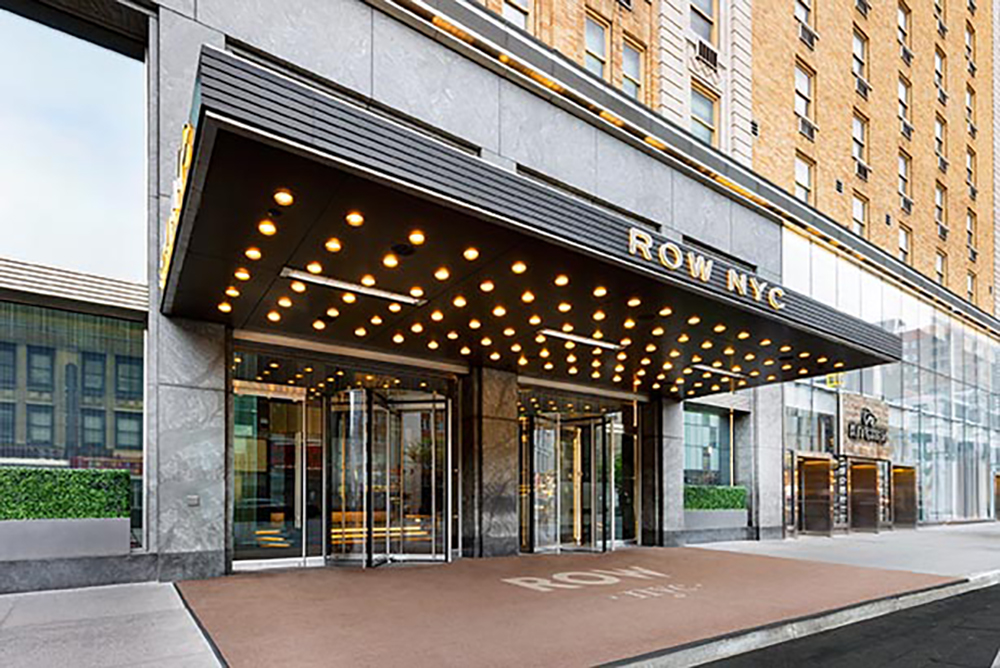
The Roosevelt Hotel NYC.
Migrants continue to arrive at the intake center in NYC.
And why not? NYC is offering free hotel rooms , food , health insurance, and credit cards.
We are about three years into this criss .
Do you think if I went to Mexico or Venezuelan, I would… pic.twitter.com/KSsfq7jTd0
— Viral News NYC (@ViralNewsNYC) October 10, 2024
The reliance on hotels has been a key component of New York’s approach to the migrant crisis. Currently, 150 hotels across the city, many in Manhattan’s Midtown and downtown districts, are housing migrants. The New York Post report also indicated that the city has spent more than $2.3 billion over the past two years and expects to exceed this figure by the end of the current fiscal year. A significant portion of this expenditure is allocated to hotel room rentals, which cost the city a staggering $352 per room per night. While this arrangement has offered financial benefits to certain hotels, especially those in outer boroughs with lower occupancy rates, critics argue that the plan is economically unsustainable in the long run.
🚨🇺🇸NYC SEEKS 14,000 HOTEL ROOMS FOR MIGRANTS THROUGH 2025, WITH HOUSING COSTS EXPECTED TO SURPASS $2.3B
New York City plans to continue using hotels as shelters for migrants, aiming to secure 14,000 rooms through 2025.
The city’s total spending on migrant housing is projected… pic.twitter.com/GpfkotdbQ3
— Mario Nawfal (@MarioNawfal) October 10, 2024
Nicole Gelinas, a senior fellow at the Manhattan Institute, is among those raising concerns about the impact on taxpayers and the city’s economy. “The taxpayers can’t pay for this indefinitely,” Gelinas told The New York Post, pointing to the immense costs of the program. She further criticized the conversion of hotels in Manhattan’s prime tourist areas into shelters, stating that this is detrimental to the city’s tourism industry, which relies heavily on hotel availability for visitors. Gelinas urged the city to “stop using hotels as shelters by the end of the year” and proposed that Governor Kathy Hochul take control of managing the crisis, especially with Mayor Eric Adams facing legal issues and his administration reportedly struggling to handle the situation effectively.
Daily Mail reports migrant hotel rooms cost $325 PER NIGHT. pic.twitter.com/hMzc9TnhtL
— Resist the Mainstream (@ResisttheMS) October 10, 2024
The financial strain of housing migrants in hotels is further compounded by the sheer volume of people arriving in New York. As per the information provided in The New York Post report, the city is engaged in three contracts with the New York City Hotel Association, working with its extensive network of hotels to secure the necessary room space. While some hotels, particularly in the outer boroughs, have benefited from this arrangement by filling rooms that would otherwise go unoccupied, the overall economic toll on the city continues to grow. For many critics, this spending is viewed as an unsustainable solution to a complex problem that requires a more strategic and long-term approach.
Despite the challenges, New York City officials continue to defend the program, arguing that the city has little choice but to provide shelter under its legal obligations. Still, as the financial burden mounts, pressure is growing for both city and state leaders to find alternative solutions. “It’s totally unacceptable,” Gelinas said, emphasizing that the current approach is not a viable long-term solution, especially given the strain it places on taxpayers and the city’s broader economy.
The Hotel Association of New York City (HANYC), led by President and CEO Vijay Dandapani, has been closely involved in managing the city’s hotel-based shelter contracts. Dandapani confirmed that the association intends to submit a bid for the city’s new request for proposal (RFP) to continue overseeing these shelter contracts. “We will be filling in the RFP,” Dandapani told The New York Post, indicating the association’s ongoing commitment to working with the city in addressing the migrant crisis. Currently, HANYC manages three contracts with the city and is compensated approximately $100,000 per month to administer these agreements.
The hotel association’s role in managing these contracts involves significant coordination and staffing. According to The New York Post, Dandapani explained that HANYC employs five full-time workers specifically to fulfill contractual obligations related to the migrant shelter program, alongside the regular duties carried out by its existing staff. This reflects the increasing complexity and resource demands of managing the city’s shelter system as the migrant population remains high, despite some recent reductions.
While the cost of the hotel shelter program has drawn significant scrutiny, recent projections from the City Asylum Funding Tracker suggest that the financial burden may decrease over time. According to city estimates, the cost of migrant shelters is expected to drop from $1.51 billion last year to $233 million in the current fiscal year, which ends on June 30, 2025. The New York Post reported that this projected decline is largely attributed to new policies introduced by Mayor Eric Adams that impose limits on the length of time migrants can stay in shelters. The city now enforces a 30-day limit for individuals and a 60-day limit for families, a move Adams has credited with reducing the number of migrants in the shelter system.
However, even with these measures in place, the city continues to face immense financial and logistical challenges. The ongoing use of hotels as shelters has sparked debate about the long-term viability of this approach. According to The New York Post, many critics argue that the city cannot sustain the high costs associated with renting hotel rooms indefinitely. With hotel rates averaging hundreds of dollars per night, the pressure on city resources remains substantial, and the city’s budget is stretched thin as it seeks to provide adequate services for both migrants and the broader population.
The need for a more sustainable solution to the migrant housing crisis has become increasingly urgent, particularly as New York City braces for the possibility of additional arrivals in the coming months. While the city’s current strategy relies heavily on hotel-based shelters, the question of how to manage the growing costs and logistical complexities remains unresolved. As The New York Post points out, the city’s approach may need to evolve as the crisis continues, with city officials and organizations like the hotel association playing pivotal roles in shaping the future of the program.
