



|
Getting your Trinity Audio player ready...
|
NYC Rent-Stabilized Tenants Face Potential Hikes This Fall as Rent Guidelines Board Advances New Increases
Edited by: TJVNews.com
Millions of New Yorkers residing in rent-stabilized apartments could see their housing costs rise significantly this fall, following a vote by the New York City Rent Guidelines Board (RGB) on Wednesday to advance proposed rent increases for both one- and two-year lease renewals. According to a report on VIN News, the board’s preliminary vote greenlights hikes ranging from 1.75% to 4.75% for one-year leases and 4.75% to 7.75% for two-year leases, potentially affecting more than two million tenants citywide.
A final decision will be made in June, and if the proposal passes, the new rates would take effect October 1 for all lease renewals thereafter. The RGB’s nine-member panel—comprised of representatives for tenants, landlords, and the public—will reconvene next month to deliberate and determine the final rate adjustments.
The proposed hikes arrive amid growing anxiety about housing affordability in the nation’s largest city. Mayor Eric Adams, responding to the board’s vote, acknowledged the difficult economic conditions that New Yorkers are facing. In remarks reported by VIN News, Adams described the proposal as a “challenging decision,” and warned that a maximum increase of 7.75% for two-year leases would impose an “unreasonable burden” on tenants already struggling to cope with skyrocketing living expenses.
“This is not just about numbers,” Adams said, emphasizing the need to balance the economic health of property owners with the financial realities of low- and middle-income renters. “We have to weigh the cost of maintaining affordable housing stock with the ability of New Yorkers to keep a roof over their heads.”
However, landlords expressed frustration, arguing that even the upper range of the proposed increases doesn’t go far enough to address their escalating costs. The New York Apartment Association (NYAA), which represents landlords managing more than 400,000 rental units across the city, issued a pointed statement warning of financial distress in the industry. As reported by VIN News, the group stressed that without meaningful relief on property taxes, utility expenses, insurance premiums, and maintenance costs, many rent-stabilized buildings are at risk of economic collapse.
“While the proposed increases are a start, they are far from sufficient to meet the reality landlords are facing on the ground,” the NYAA said. “Operating costs have surged, and the city has yet to provide any substantive tax relief. Without the ability to adjust rents to reflect these economic pressures, essential maintenance and long-term capital investments will be jeopardized.”
According to the information provided in the VIN News report, the Rent Guidelines Board has already approved cumulative rent increases totaling 9% over the past three years, a figure that tenant advocates argue is too high given the stagnant wage growth and persistent inflation affecting working-class New Yorkers. But landlord groups counter that the prior hikes have barely kept pace with the rising costs of building operations, especially for older, regulated buildings that require constant upkeep.
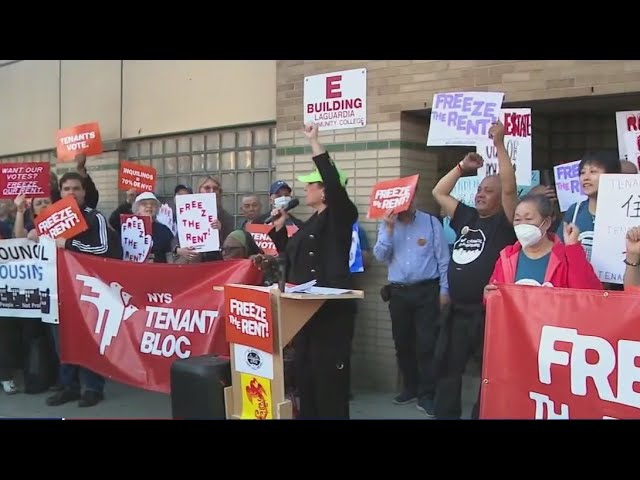
Tenant groups and housing rights activists, meanwhile, are sounding the alarm over what they describe as an ongoing affordability crisis. Many advocates fear that even the lowest proposed rent hikes will exacerbate displacement, deepen housing insecurity, and contribute to homelessness at a time when emergency rental assistance programs have largely expired.
“There is no doubt that many tenants are already stretched to the breaking point,” a representative of a major tenant coalition told VIN News. “For seniors, disabled residents, and low-income families, even a 2% increase can mean choosing between paying rent and buying groceries.”
The stakes of the June vote are high. New York City’s rent-stabilized housing stock, which comprises nearly one million apartments, remains one of the last bastions of affordability in a city where market-rate rents have climbed to historic highs. According to housing data cited by VIN News, median asking rents in Manhattan have surged past $4,000 a month, with similar trends seen in Brooklyn and Queens.
For Mayor Adams, the political ramifications are also significant. His administration has been under pressure from both tenant advocates and property owners, who are demanding more decisive leadership in the city’s housing crisis. Adams has called for greater state and federal support to address systemic challenges, including the need for new affordable housing construction and reforms to property tax laws.
As the June vote approaches, all eyes will be on the Rent Guidelines Board to see how it navigates the complex—and often contentious—realities of housing economics in one of the world’s most expensive cities. As the VIN News report noted, the outcome will likely influence not only the immediate financial well-being of millions of New Yorkers but also the broader political conversation around rent regulation, equity, and urban affordability.
