



|
Getting your Trinity Audio player ready...
|
By: Pierre Le’ Bubu
A prominent New York City rabbi expressed guarded optimism after Mayor Zohran Mamdani quietly reinstated an executive order aimed at regulating protests near houses of worship — a policy similar to one he scrapped on his first day in office, amNY reported.
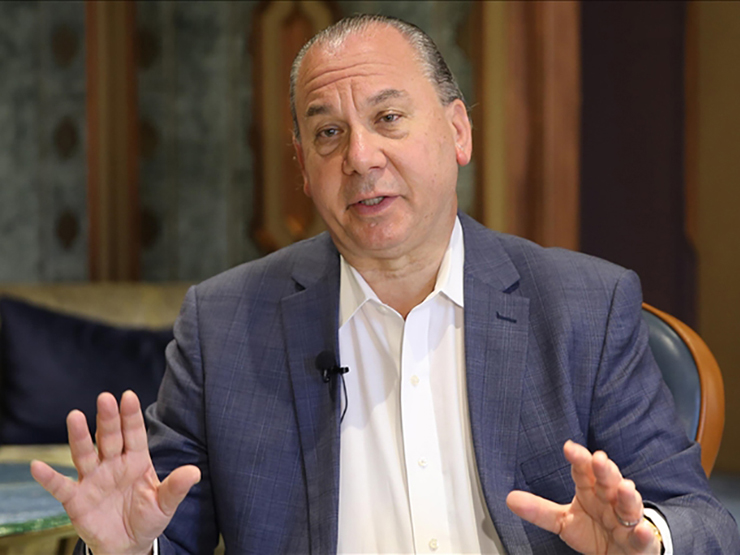
Rabbi Marc Schneier, president of the Foundation for Ethnic Understanding, praised the mayor’s newly issued Executive Order No. 2, which restores guidance for the NYPD on managing demonstrations outside synagogues and other religious institutions. According to amNY, the order closely mirrors an Adams-era directive issued in December that Mamdani revoked when he was sworn in on Jan. 1.
Under the new order, protest activity can be restricted or regulated within designated buffer zones ranging from at least 15 feet to as much as 60 feet from entrances to houses of worship, amNY reported. The directive also instructs the NYPD to review and update its patrol guide to clarify how officers should balance protecting worshippers while also safeguarding free speech rights.
Schneier called the move a “welcome” step and said it reflects concerns he personally raised with Mamdani shortly after the mayor’s election victory in November 2025, amNY reported. That conversation followed a demonstration outside Park East Synagogue, led by Schneier’s father, Rabbi Arthur Schneier, which heightened fears about protests escalating near religious sites.
While Schneier applauded the renewed protections, he said other decisions by Mamdani remain deeply troubling. As amNY reported, the mayor revoked additional Adams-era executive orders on Jan. 1 that dealt with the city’s definition of antisemitism and protections related to Israel — moves Schneier believes weakened safeguards for Jewish New Yorkers.
In particular, Schneier criticized the rollback of an executive order recognizing the International Holocaust Remembrance Alliance’s working definition of antisemitism, which Adams signed in June 2025. That definition has been controversial because it can encompass certain criticisms of Israel, but Schneier argued it offered important clarity at a time of rising antisemitism, amNY reported.
Mamdani also eliminated Adams’ Executive Order No. 60, issued in December, which barred city officials involved in procurement from discriminating against Israel, Israelis, or entities connected to the Jewish state. Schneier said undoing those policies sends the wrong signal.
“That’s troublesome,” Schneier told amNY, adding that both orders were directly tied to Israel and Jewish identity.
Mamdani justified the sweeping revocations by citing his desire for a “fresh start” after Adams’ federal indictment in September 2024 — charges that were later dismissed in April 2025. Upon taking office, Mamdani said his administration would focus on affordability and rebuilding trust in city government, amNY reported.
Tensions flared again just days into Mamdani’s tenure when protesters rallied outside the Yeshiva of Central Queens synagogue in Kew Gardens Hills on Jan. 7. Demonstrators chanted pro-Hamas slogans, prompting condemnation from elected officials — though Schneier said the mayor’s response came later than it should have, amNY reported.
While Schneier credited Mamdani for eventually denouncing the chants, he contrasted the mayor’s delayed reaction.

60 feet is too short of a distance. A large number of protesters would still be intimidating at least and could still impede access.