



NYC Council Proposes Bill Requiring Landlords to Raise Heat Despite Increase in Emissions
By: Hadassa Kalatizadeh
On Thursday, the City Council proposed a new bill which would require landlords to raise the temperature in apartment buildings during the cold winter months. As reported by Crain’s NY, the bill has raised concerns from the real estate community in regards to buildings’ compliance with New York City’s Local Law 97.
In 2019, the city put in place law 97, which requires buildings to reduce their carbon emissions 40 percent by 2030, with certain emissions targets beginning in 2024. The legislation threatens fines onto landlords who fail to meet the targets. Landlords are worried that if the new bill is approved requiring them to raise the heat, they will be pushed to noncompliance due to the higher energy usage—especially in older buildings using outdated HVAC systems. The bill calls for the minimum temperature to be set at 68, rather than 66 degrees Fahrenheit, in cold-weather temperatures.
Since 2019, the number of complaints from NYC residents related to a lack of heat or hot water has increased some 18 percent. During this winter season- between October through this month—city data shows that over 189,000 complaints were called into 311 relating to heat or hot water.
The proposed bill would not only raise energy prices for landlords but in many cases will force upgrades– and that seems to be one of the city council’s goals. Compliance of the proposed bill would be close to impossible for buildings using space heaters. Space heaters are considered dangerous, and in January a fire broke out in the Bronx due to a space heater– killing 17 people. The bill would be an easy way for the council to reduce usage of space heaters throughout city apartment buildings, the bill’s proponents say. Also, gas powered systems would create more fossil fuel emissions when complying with the rule– requiring changes. “The extra couple of degrees makes a huge difference in the amount of natural gas that has to be used,” said Jay Martin, executive director of the Community Housing and Improvement Program.
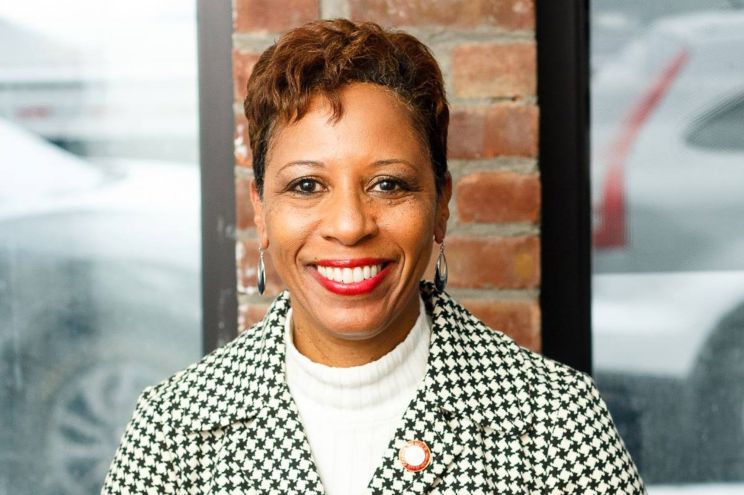
As per Crain’s, Councilwoman Crystal Hudson, the bill’s main sponsor, said she understands that turning the heat up would lead to an increase in emissions but said she is trying to find ways to help buildings update their heating systems. The councilwoman’s spokesperson said they will not move forward with the bill until a plan is laid out to help make the buildings greener. “This bill is just one step,” said Hudson’s spokesperson.