



|
Getting your Trinity Audio player ready...
|
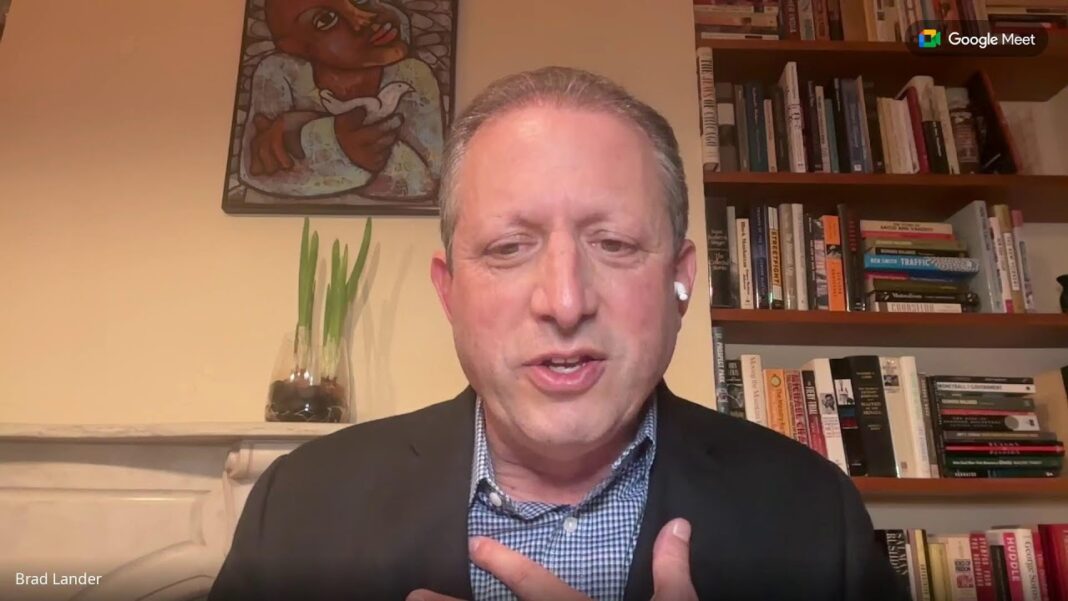
NYC Comptroller’s Israel Bonds Divestment Sparks Fierce Rebuke from Mayor Adams, Amid BDS Concerns
By: Fern Sidman
In a move that has ignited political backlash and concerns of veiled support for the Boycott, Divestment, and Sanctions (BDS) movement, New York City Comptroller Brad Lander has come under fire for quietly divesting tens of millions of dollars in municipal pension funds from Israel Bonds. The decision, described by Mayor Eric Adams’s administration as a “sustained and coordinated” campaign against Israel, has sparked a sharp rebuke from City Hall and intensified scrutiny of the comptroller’s fiduciary priorities.
The controversy was brought into full public view on Sunday through a pointed letter from First Deputy Mayor Randy Mastro to Comptroller Lander, excerpts of which were shared with The Jerusalem Post. The letter, which accuses Lander of “pandering to the antisemitic BDS movement,” calls for a full and immediate review of all decisions and communications related to the declining investment in State of Israel Bonds under his watch.
According to the Adams administration, the city’s pension system—historically a consistent investor in Israel Bonds due to their low-risk profile and strong returns—has seen its holdings decline precipitously under Lander’s leadership. Once spanning multiple pension funds and valued in the tens of millions of dollars, the city’s current stake now amounts to less than $1.2 million, held solely by the Police Pension Fund.
As The Jerusalem Post reported on Sunday, Lander has publicly characterized the move as a mere decision “not to reinvest” in foreign sovereign debt. However, Deputy Mayor Mastro dismissed that framing in his letter, arguing that the absence of any sovereign bond holdings beyond Israel Bonds sharply undermines the neutrality of that claim.
“If foreign sovereign debt is to be avoided across the board, why is Israel alone bearing the brunt of this policy shift?” Mastro asked, as quoted by The Jerusalem Post. “This is not a passive portfolio change—it is a pointed act of disengagement from one of the city’s most dependable allies and financial partners.”
While Lander has denied any connection between the divestment and the anti-Israel BDS movement, The Jerusalem Post report noted that the optics of his decision have triggered deep concern within Jewish and pro-Israel communities, both in New York and abroad. The BDS movement, which seeks to economically isolate Israel through global divestment campaigns, has long targeted public institutions in the U.S.—with varying degrees of success.
By reducing New York City’s exposure to Israeli sovereign debt while maintaining no comparable holdings elsewhere, critics argue, Lander’s move cannot be divorced from the political and ideological undercurrents animating BDS activism. Mayor Adams, in a statement to The Jerusalem Post, was unequivocal in his condemnation.
“Israel is not just the world’s only Jewish state – it’s a vital economic partner to both our city and our country,” Adams stated. “Brad Lander was elected to safeguard New York City’s financial future, yet he continues to pander to the antisemitic BDS movement at the expense of taxpayer dollars and our city’s best interests, and New Yorkers deserve to know why.”
City Hall’s letter demands that Lander provide, within the week, all relevant documentation and correspondence relating to the purchase, maturation, and reinvestment decisions involving Israel Bonds. This includes memos, staff recommendations, meeting notes, and any internal deliberations that may reveal the motives behind the strategic withdrawal.
“As comptroller, you are legally and ethically obligated to safeguard the integrity of our public pension system,” Mastro wrote, as cited by The Jerusalem Post. “That includes full transparency and accountability for decisions that affect both the financial stability of retirees and the city’s international partnerships.”
Lander’s office has not released a formal response at time of publication, but officials close to the comptroller have reportedly maintained that his approach to sovereign debt investments is grounded in financial prudence, not political animus. Nevertheless, the numbers tell a different story: during Lander’s tenure, Israel Bonds—once a cornerstone of several pension funds—have been systematically phased out.
The timing of this controversy is particularly striking, given the broader effort by the Adams administration to deepen ties with Israel. As reported by The Jerusalem Post, the city is moving ahead with the creation of the New York City–Israel Economic Council, a groundbreaking bilateral initiative developed in partnership with Israel’s Ministry of Economy. The council, set to launch this summer, will aim to foster collaboration in technology, infrastructure, and trade between New York and Israeli entities.
“This administration is not only standing with Israel—we are investing in Israel,” Adams emphasized. “While others divest, we are building bridges.”
Political observers see the episode as a harbinger of growing fissures within New York’s Democratic establishment. Progressive figures such as Lander have increasingly come under criticism for positions viewed by centrist and Jewish leaders as unfriendly, if not hostile, to the State of Israel.
At the heart of this dispute lies not only a disagreement about fiduciary responsibility, but a larger cultural and political battle over the future of New York’s relationship with Israel. The Jerusalem Post reported that for many, the apparent targeting of Israel Bonds has become a proxy for deeper ideological shifts in the city’s leadership class.
Whether Lander’s office will comply with City Hall’s request for full disclosure remains to be seen. But what is clear is that this controversy is unlikely to dissipate quickly, as per The Jerusalem Post report. With New York hosting the largest Jewish population outside Israel, the symbolism and practical consequences of divestment decisions such as this carry extraordinary weight.
As the political firestorm intensifies, Adams has drawn a line in the sand: “New York’s commitment to Israel is not symbolic—it’s strategic,” he told The Jerusalem Post. “And it’s not going anywhere.”

Guy is a scumbag