



|
Getting your Trinity Audio player ready...
|
By: Hal C Clarke
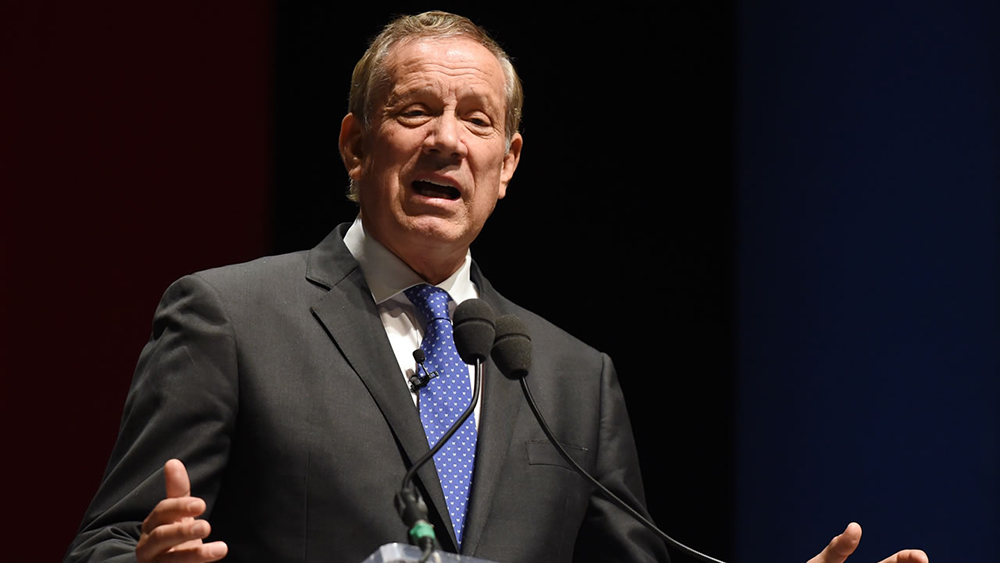
New York state officials are commemorating the 25th anniversary of the Charter School Act, a landmark legislation that paved the way for charter schools to thrive in the state. Former Governor George Pataki, who played a pivotal role in its passage, proudly reminisced about the challenges he overcame to make it a reality.
The NY Post ran a full feature on NY Charter Schools.
Back in 1998, the landscape for charter schools was far from favorable. The teachers’ union and suburban school districts opposed them, and support for charter schools was minimal among both Democrats and Republicans. Pataki humorously recalled that you could fit all charter school supporters in an old phone booth, highlighting the initial lack of enthusiasm for the concept. Then-Assembly Speaker Sheldon Silver refused even to discuss a charter school bill.
However, Pataki had a strategic card to play. Lawmakers were eager for a pay raise, but Pataki made it clear that they wouldn’t receive one for at least two years unless they passed a charter school law. Essentially, it was a political trade-off they couldn’t refuse. Pataki articulated, “You pass my charter school or you get no pay raise. I veto your pay raise.” He believed that allowing charter schools was a matter of civil rights, as it was unjust to trap children in underperforming public schools.
To ensure that the educational establishment and teachers’ unions wouldn’t obstruct charter schools, Pataki included protective language in the bill. This move marked a significant shift in urban education in the 21st century.
Today, New York City boasts 274 charter schools with 142,500 students, making up around 15% of the public-school population. Charter school students often outperform their peers in traditional district schools, especially in state English and math tests. These schools typically offer longer school days and a longer academic calendar, providing students with more learning opportunities.
Governor Pataki views the Charter School Act as one of his greatest achievements during his 12-year tenure. He takes pride in the choices and opportunities charter schools offer to families who were previously stuck in low-performing public schools. He stated, “We know charter schools do work. Charter schools have had a real positive impact on thousands of kids’ lives. I’m proud of that.”
Pataki emphasized that the charter school movement has been a resounding success, evident in the results and the preference of many families. He believes that charter schools are here to stay, providing a brighter future for students.
The Charter School Act, passed in December 1998, established a charter school institute within the State University of New York to review applications. The issuance of licenses was subject to approval by the governor’s appointees to SUNY’s board of trustees and the state Board of Regents, whose members were appointed by the legislature. Charter schools typically receive a five-year license, subject to renewal based on performance, ensuring accountability in the process.
James Merriman, CEO of the New York City Charter School Center, affirmed Pataki’s assessment, acknowledging that the law faced fierce political opposition. The passage of the Charter School Act required dedication and resilience from its pioneers who had to contend with resistance and inadequate public funding. They succeeded in creating innovative public schools out of nothing.
The 25th-anniversary celebration by the City Charter School Center features testimonials from early charter school pioneers and educators, including Geoffrey Canada, founder of the Harlem Children’s Zone and Promise Academy Charter School.