



|
Getting your Trinity Audio player ready...
|
By: Hellen Zaboulani
Shoplifters beware—technology may be your greatest adversary.
As reported by the NY Post, supermarkets, drug stores and other mass retailers say they have started using high-tech innovations to bust shoplifters. The new tech includes facial recognition software, artificial intelligence and even aisle-roving robots, to help stop the rush of brazen shoplifters in their stores. Since the pandemic, retailers have been struggling with a shoplifting epidemic, losing thousands of dollars each week to thieves. The problem has become especially precarious in New York, where retailers say the bail reform laws make it easy for even repeat offenders to get let off loose even if cops arrest them. Now, the retailers are starting to take matters into their own hands, by turning to new technology that can alert staff when their stuff is being taken, or when a repeat offender enters.
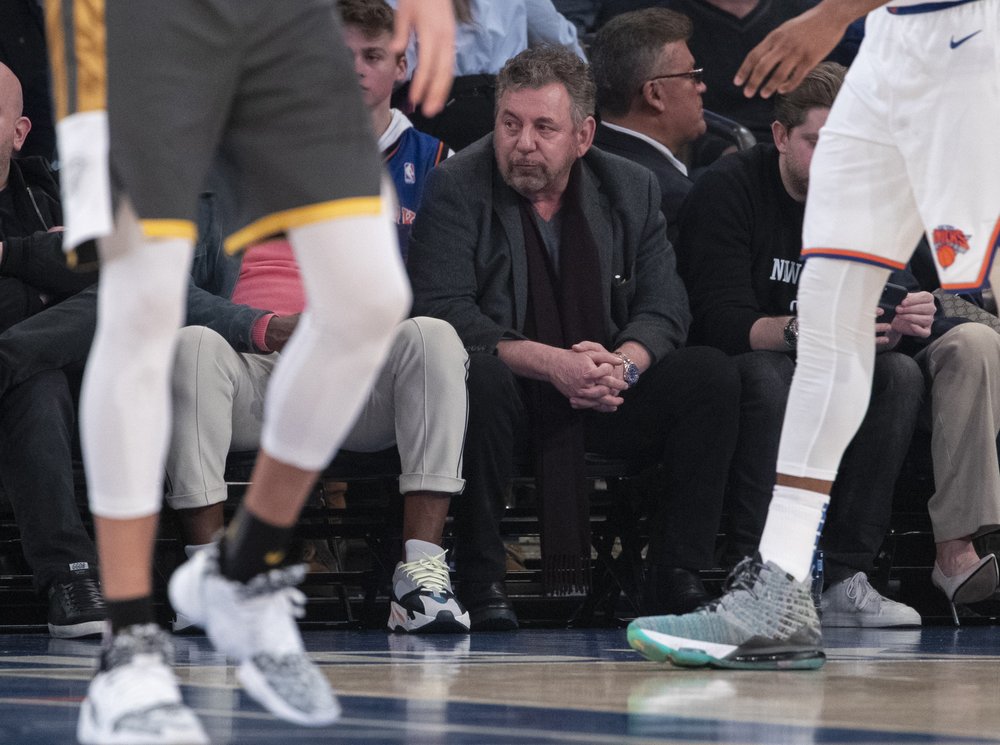
James Dolan, CEO of Madison Square Garden and executive chairman of MSG Networks, recently became the center of controversy for using facial-recognition technology to keep out or remove ticket-holding enemies from Madison Square Garden. “I recognize that facial recognition software can aid in securing large venues, but Mr. Dolan has abused this technology to fuel his personal vendettas – not make games safer,” state Sen. Brad Hoylman- wrote in a letter to NBA and NHL commissioners. The retailers now, however, have found a more legitimate use for the tech—namely saving their businesses.
On Friday, an analysis of police data by The Post revealed that in 2022 retail thefts peaked at record levels for the second year in a row. The number of shoplifting complaints logged jumped to over 63,000 last year — increasing 45% over the roughly 45,000 reported in 2021. The statics also depict a roughly 275% jump compared to the mid-2000s.
One Bronx-based grocer says, so far last month, he installed facial recognition software in one of his stores. The software can identify known thieves even when they try to hide their features with face masks and hoodies, he told the Post. “We have been building a file of repeat offenders and it’s incredibly efficient,” the grocer told the Post.
Another high-tech option, being sold by Knightscope of Mountain View, Calif., is a 4.5-foot, 400-pound robot with cameras. The robot can patrol store aisles or be stationed where “highly sought after items are stocked,” said spokesperson Stacy Stephens. Security personnel can speak to the offender through the robot. “The No. 1 thing is deterrence because we know that having a robot in place with security markings gets people’s attention,” he said.
Also, Veesion, a Paris-based artificial-intelligence company, has joining the fight at ACE Hardware, Keyfood stores and independent liquor stores. The software system, which connects to existing cameras, can catch offenders if they hide food or goods, or even if they start eating from off the shelves. The system then sends the image to employees’ phones to warn them. “It took us two years to get to the point where the software can recognize the gestures and the movements of the clients inside the store,” said Sean Ward, Veesion’s US manager.
There’s another patented software also on the market, being tested out at some Kroger and Albertsons supermarkets and some wine stores. Raptor Vision is an AI software, launched in June, that uses the store’s security camera to detect suspicious behavior