



|
Getting your Trinity Audio player ready...
|
By: Mario Mancini
New York had close to the most cases in the nation of a “diabolical” drug-resistant and deadly fungus that has already infected people in at least 28 states according to an outbreak report by The New York Post.
There were 379 confirmed cases of the dangerous, drug-resistant fungi named, Candida auris last year, according to the state health department, eclipsing the previous statewide record for infections of 291 in 2021.
Last year’s totals put it alongside Nevada, California and Florida as the states with the most infections from the fungus with 384, 359 and 349, respectively. There have already been at least 72 new cases this year statewide, bringing the state’s total number of cases to 1,454 with the first reports of the infection in the state beginning in 2013.
“I do not think it’s going to peter out,” warned Dr. Rodney Rohde, a microbiologist and professor of clinical laboratory science at Texas State University. “It’s a global problem.”
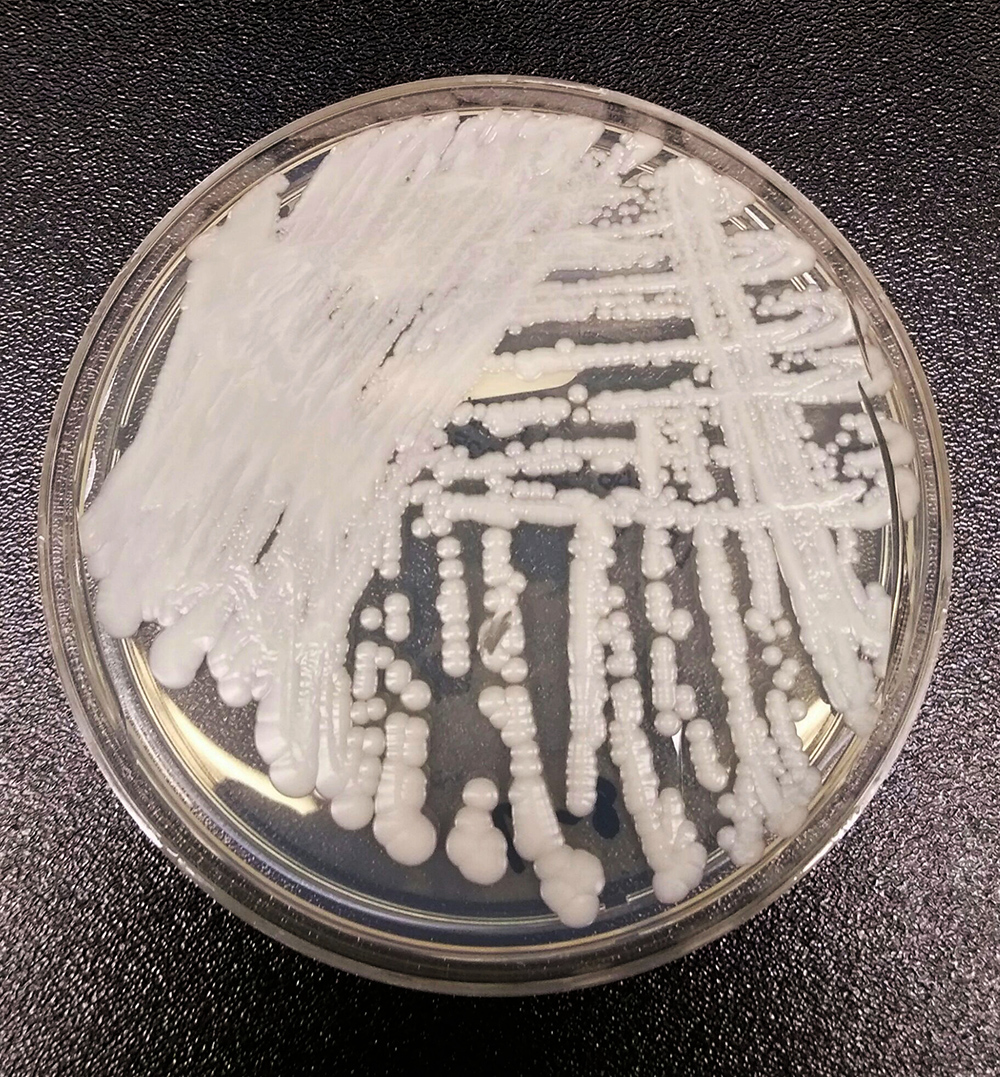
Candida auris is a species of fungus that grows as yeast. It is one of the few species of the genus Candida which cause candidiasis in humans. Often, candidiasis is acquired in hospitals by patients with weakened immune systems. C. auris can cause invasive candidiasis (fungemia) in which the bloodstream, the central nervous system, and internal organs are infected. It has attracted widespread attention because of its multiple drug resistance. Treatment is also complicated because it is easily misidentified as other Candida species.
The species of fungus was first identified in Japan in 2009 — and it has since proven to be most deadly in close-quartered settings such as hospitals or nursing homes.
“They just persist,” Rohde said. “They are diabolical in how they hang on to surfaces and they are always just a little bit ahead of us.”
Rohde said that the fungus secrets a sticky substance, called a biofilm prevents anti-fungal drugs from working. When that surface is human tissue, the “gunky” coating can prevent drugs from working properly.
“Think of this biofilm like a thick, sticky matrix that the drugs can’t get down to the actual surface of the skin, or the body, or internally,” Rohde said.
“It can kill things on the top, but its so thick and gunky it basically repels the drugs.”
“It’s resistant to multiple anti-fungal drugs,” Rohde said.
“Combine that with a biofilm.
“Combine it with its ability to spread easily on surfaces and its knack for living on surfaces.
“It’s just kind of the perfect storm.”
Rohde said warning signs could be a fever or severe urinary tract infection. It can then cause sepsis and organ failure if the fungus gets into the blood. “It can be delivered to really critical organs, including your kidney and your heart,” Rohde said.
“It can even get into your brain and cause encephalitis.”