



|
Getting your Trinity Audio player ready...
|
By: Jared Evan
Medical professionals and distraught family members are grappling with the rise of this perilous tranquilizer in the illicit drug supply.
Tranq’s presence complicates treatment and recovery due to its unique effects. Unlike other opioids, the overdose reversal drug Narcan is ineffective against xylazine overdoses, making the clinical picture more challenging to manage. Doctors often need to resort to different treatments to address falling blood pressure and heart rate in these cases.
A concerning factor is that many users are unaware that their drugs are contaminated with xylazine until they attempt to quit. Tranq’s presence in substances like heroin and fentanyl can lead to withdrawal symptoms distinct from traditional opioid withdrawal, causing confusion among medical professionals and complicating treatment.
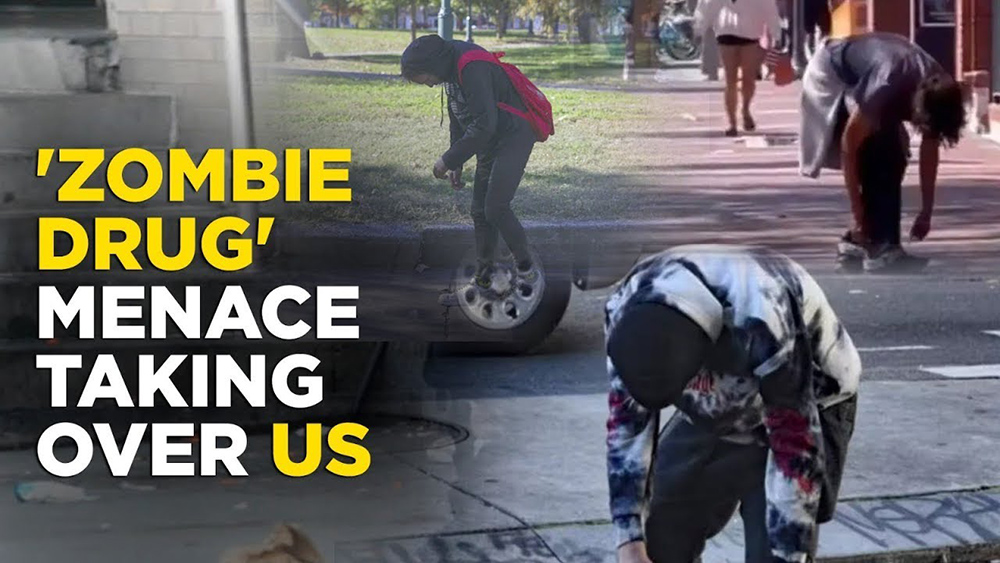
Tranq’s popularity is on the rise, making it a common component of illegal drugs alongside the lethal synthetic opioid fentanyl. It delivers a powerful sedative effect due to its veterinary origins as an animal tranquilizer. As a result, users often experience a catatonic semi-conscious state. Its impact on the skin, causing deep and disturbing lesions, has earned it the nickname “zombie drug.”
While some states have imposed restrictions, xylazine has not been classified as a controlled substance federally or in New York due to its non-human intended use. This regulatory gap has allowed drug dealers to use it as a cheap cutting agent to extend the high of other drugs, particularly fentanyl.
The infiltration of xylazine in the drug market is not only a challenge for law enforcement but also for healthcare providers. The Drug Enforcement Administration (DEA) has observed larger quantities of tranq powder being imported into the country, often mixed with fentanyl. The DEA’s Northeast regional laboratory found that 15% of tested drugs contained xylazine, and of those, 85% also contained fentanyl.
Emergency room doctors are particularly concerned about this trend as it increases the danger associated with opioid use. Tranq intensifies the effects of paired drugs, making users susceptible to fatal consequences. Additionally, xylazine hampers addiction treatment, as it bypasses medications like suboxone or sublocade commonly used to manage cravings and withdrawal symptoms.
The NY Post reported on an addict who died from using this bizarre drug.
Travis Eddy’s familiarity with the drug scene was a long-standing struggle, as he battled heroin addiction for nearly half his life. But his story took a dangerous turn when he unknowingly began using crack cocaine laced with xylazine, a potent animal sedative known as “tranq” on the streets. This marked a significant shift in his behavior and health, leading to hallucinations, festering sores on his limbs, and severe seizures when he attempted to get clean.
Tranq withdrawal can lead to severe seizures, which Travis Eddy experienced when he attempted to quit. The difficulty of distinguishing the cause of such seizures poses a challenge for both medical professionals and patients. Xylazine’s impact on users’ trust in addiction treatment further exacerbates the situation. Many former addicts mistakenly believe that their struggles are due to suboxone’s inefficacy, not realizing that it’s xylazine causing the complications.
The story of Travis Eddy serves as a tragic example of the dire consequences of xylazine-laced drugs. His journey through addiction and ultimately his untimely death underscores the urgent need to address the alarming proliferation of this dangerous substance within the illegal drug supply.
Thus far the Biden administration has done nothing to address this health crisis.
