



|
Getting your Trinity Audio player ready...
|
Mamdani Accused of Understaffing Emergency Snow Laborers as Winter Storm Hit
By: Justin Winograd
When the season’s first truly punishing winter storm blanketed New York City in nearly a foot of snow, it did more than paralyze traffic and bury sidewalks. It laid bare, with uncomfortable clarity, the administrative vulnerabilities of a new mayoral team confronting its inaugural crisis under unforgiving conditions. As The New York Post has reported on Sunday, the Mamdani administration found itself scrambling to recruit sufficient numbers of emergency snow shovelers, a shortfall that critics say compounded the city’s slow and uneven recovery from the Jan. 25–26 storm and left essential pedestrian corridors obstructed weeks after the snowfall.
According to City Hall sources cited in The New York Post report, only about 1,800 individuals had enrolled in the city’s temporary snow laborer program for the winter season by the time the storm struck. At the height of deployment, no more than 550 shovelers were dispatched to clear bus stops, crosswalks, fire hydrants, and other critical public spaces. The contrast with previous winters is stark. During the 2015–16 season, when Central Park recorded nearly 33 inches of snow, more than 6,400 shovelers were recruited, with as many as 3,500 simultaneously deployed during peak periods. The numerical disparity is not merely a matter of statistics; it translates into tangible consequences for neighborhoods still grappling with icy curbs, impassable crosswalks, and refuse piling up where sanitation crews could not access blocked collection points.
The New York Post report emphasized that the city’s recent run of comparatively mild winters lulled municipal planners into a false sense of security. For much of the past decade, snowfall has been sporadic and limited, allowing the snow laborer program to atrophy into a peripheral concern rather than a central pillar of winter preparedness. Yet climate volatility cuts both ways. The sudden arrival of an Arctic blast, compounded by nine consecutive days of subfreezing temperatures, rendered snow removal exponentially more arduous. Ice hardened into concrete-like ridges; plowed mounds froze in place, defying the mechanical sweep of sanitation equipment. Under such conditions, the labor-intensive work of shoveling becomes indispensable.
Critics across the political spectrum argue that the administration’s belated recruitment drive was symptomatic of a broader failure to anticipate foreseeable challenges. Councilwoman Joann Ariola of Queens, a Republican who has often been unsparing in her assessments of City Hall, lamented that the outreach campaign for snow laborers appeared “half-hearted” at precisely the moment when urgency should have dictated a citywide mobilization. Crosswalks and bus stops in her district, she noted, remained impassable well into February, effectively penalizing elderly residents, parents with strollers, and commuters dependent on public transit.
Council Minority Leader David Carr of Staten Island echoed these concerns, striking a more measured tone in his praise for sanitation workers while faulting the administration for failing to recruit shovelers in advance of the storm. Forecasts had signaled the likelihood of prolonged cold and significant snowfall weeks earlier, he observed, affording ample time for an aggressive hiring campaign. The failure to act decisively, Carr warned in comments to The New York Post, left portions of the city “stuck in another ice age,” a vivid metaphor that captured the sense of immobilization felt in many neighborhoods.
Beyond City Hall, community leaders have voiced frustration at the pace of recovery. Daniel Hill, communications director for the Cityline Ozone Park Civilian Patrol, told The New York Post that previous winters had seen far swifter clearance of hydrants and street corners. The lingering snow and ice this season, he said, have not only inconvenienced residents but raised concerns about public safety, particularly in the event of a fire emergency. Blocked hydrants and narrowed roadways could delay response times, transforming an administrative lapse into a potential public hazard.
The administration, for its part, has sought to contextualize the shortfall. The Department of Sanitation issued a statement contending that comparisons to the winter of 2015–16 are misleading. The agency pointed to changes in post-pandemic labor markets, evolving weather patterns, and the introduction of specialized equipment capable of performing tasks once reserved for manual laborers. Officials also noted that the current deployment represented the largest mobilization of emergency shovelers since the pandemic, including rare overnight shifts that extended operations around the clock.
Such explanations, however, have done little to mollify critics who view the episode as emblematic of a broader managerial inexperience within the Mamdani administration. The snowstorm, they argue, was not merely a meteorological event but a stress test of institutional readiness. The New York Post report framed the controversy as a defining moment in the mayor’s nascent tenure, one that has compounded other grievances over gridlock, unplowed streets, and delayed sanitation services.
At the heart of the debate lies a perennial tension in urban governance: the balance between fiscal prudence and contingency planning. Maintaining a robust roster of emergency workers year-round can appear profligate during mild winters, yet the cost of under-preparation becomes painfully evident when severe weather strikes. In an era of increasingly erratic climate patterns, the assumption that past trends will predict future conditions grows ever more precarious. The New York Post report suggested that the city’s infrastructure and labor planning must adapt to this new reality, lest New Yorkers find themselves repeatedly unprepared for extremes.
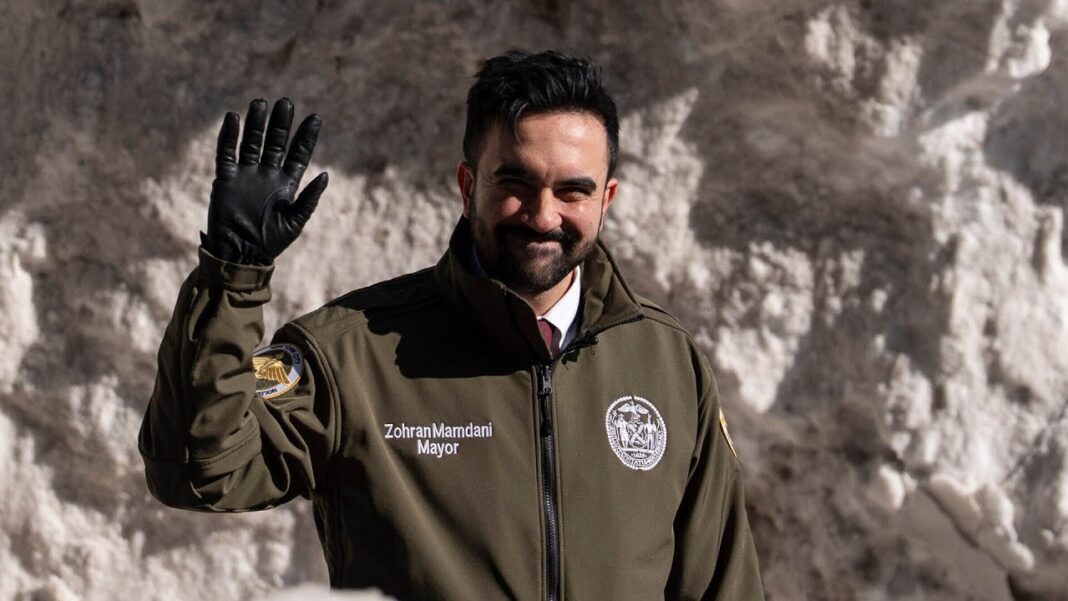
The political ramifications of the snow laborer shortage extend beyond operational concerns. For Mayor Zohran Mamdani, the episode has been cast as an early referendum on his capacity to translate campaign rhetoric into effective governance. His administration’s defenders argue that the unprecedented nature of post-pandemic staffing challenges complicates rapid recruitment, particularly for temporary, physically demanding work at relatively modest wages. Yet detractors counter that leadership is measured precisely by the ability to anticipate and surmount such obstacles, not by post hoc rationalizations.
The New York Post report underscored the symbolic weight of snow removal in the civic psyche. Snowstorms, for all their disruption, have long served as a barometer of municipal competence in New York. From the coordinated responses to historic blizzards to the notorious failures that have marred previous administrations, the city’s capacity to dig itself out—literally and figuratively—has become a proxy for public confidence in government. The lingering drifts and icy crossings of this winter have thus taken on an outsized significance, shaping perceptions of an administration still finding its footing.
As the season progresses, City Hall has pledged to intensify recruitment efforts for emergency shovelers, leveraging social media and advertising to bolster enrollment for future storms. The Sanitation Department’s website remains open to applicants, and officials insist that the lessons of January’s storm will inform more agile responses in the weeks ahead. Whether these assurances will translate into tangible improvements remains to be seen.
What is certain, as The New York Post has chronicled with relentless detail, is that Winter Storm Fern of late January has left more than snowbanks in its wake. It has carved a cautionary tale into the city’s political landscape, reminding New Yorkers that governance, like winter weather, is unforgiving of complacency. In a metropolis accustomed to resilience, the expectation is not perfection but preparedness. The snow may eventually melt, but the memory of how the city stumbled in its response is likely to linger, shaping both policy debates and political fortunes long after the sidewalks are finally clear.

What type of people voted for this scum