



|
Getting your Trinity Audio player ready...
|
(Jewish Voice News) Investments in Israeli government bonds have quickly become a flashpoint inside New York City Hall, exposing an early rift between newly sworn-in Mayor Zohran Mamdani and Comptroller Mark Levine, as The Times of Israel reported.
Although the two officials only took office on January 1, the disagreement burst into public view this week when each staked out sharply different positions on whether the city’s pension funds should reinvest in Israel bonds, according to The Times of Israel. The dispute underscores a deeper ideological divide between the far-left mayor and the city’s top financial watchdog.
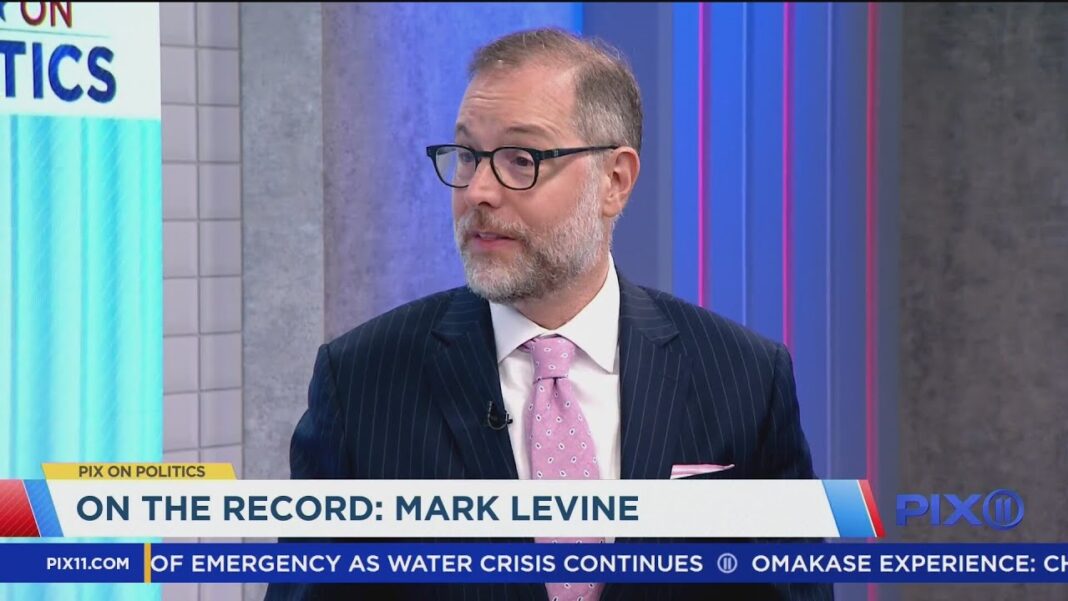
Mamdani, an outspoken anti-Zionist and longtime supporter of the Boycott, Divestment and Sanctions (BDS) movement targeting Israel, has made clear he opposes purchasing Israeli government debt. Levine, by contrast, is a Jewish centrist who frequently addresses Jewish audiences in Hebrew and has defended Israel bonds as a sound, long-standing investment for New York City, The Times of Israel reported.
As comptroller, Levine oversees the city’s massive pension funds and serves as the chief auditor of municipal agencies, a role often described as the second-most powerful position in city government. Levine said last week that he intends to restart investments in Israel bonds, reversing a decision by his predecessor, Brad Lander, who allowed the city’s holdings to lapse when they matured.
“Israeli bonds were part of our portfolio for decades,” Levine said in a recent interview, noting that New York City has held the bonds since the 1970s, according to The Times of Israel. He has repeatedly argued that the city has earned steady returns from the investments and that the bonds remain financially prudent.
Mamdani pushed back publicly during a Wednesday press conference, rejecting Levine’s plan. “I don’t think we should purchase Israel bonds,” the mayor said, adding that the city does not buy sovereign debt from other countries, as cited by The Times of Israel. Mamdani insisted he was standing by a long-held position, even as Levine made his intentions clear.
Despite the disagreement, both men have said they want to maintain a working relationship. Levine endorsed Mamdani during the Democratic primary, and the two align on several domestic policy goals. Still, the Israel bonds issue threatens to put them on a collision course early in their administration, The Times of Israel noted.
Israel bonds typically yield returns of around five percent, with some outperforming comparable U.S. Treasury bonds, making them attractive from a financial standpoint. Yet the debate over the investments has repeatedly taken on political and symbolic significance inside New York City politics.
The current standoff reverses tensions from the previous administration. Under former Mayor Eric Adams, it was the mayor who backed Israel bonds while Comptroller Brad Lander opposed reinvesting after the bonds matured. Adams publicly accused Lander of singling out Israel, a charge Lander denied, saying the decision followed city investment guidelines, according to The Times of Israel.
Lander pointed out at the time that the city held more than $300 million in other Israeli-linked assets and did not invest in bonds from any foreign government. When he took office in 2022, the city held roughly $39 million in Israel bonds, a tiny fraction of the pension system’s more than $294 billion in assets as of last summer, The Times of Israel reported.
New York City’s five pension funds are overseen by boards of trustees that include the comptroller, mayoral appointees, and labor representatives. While the mayor does not directly control investment decisions, his appointees can influence outcomes on some boards. Levine, however, has downplayed the mayor’s ability to block his plans, telling reporters that the mayor “just doesn’t have the votes,” as cited by The Times of Israel.
“There’s no real history of mayors driving major investment decisions in our pension funds,” Levine said.
Anti-Zionist activist groups have already protested Levine’s stated intention to reinvest in Israel bonds. Meanwhile, Mamdani signaled his broader policy direction on day one by rescinding an executive order issued by Adams that barred city agencies from boycotting Israel, part of a wider rollback of his predecessor’s directives, The Times of Israel reported.
Levine, a veteran figure in city politics and the Jewish community, previously served as Manhattan borough president before winning the comptroller’s office. He now faces the challenge of overseeing city finances as New York confronts an estimated $12.6 billion budget gap over the next two years, even as Mamdani pushes ambitious proposals such as free bus service and universal child care.
Whether the Israel bonds dispute escalates into a defining power struggle remains to be seen, but it has already revealed the ideological fault lines shaping New York City’s new political era, as The Times of Israel reported.
