



|
Getting your Trinity Audio player ready...
|
Ice, Wind, and Fury: NYC Braces for a Bomb Cyclone as Winter Tightens Its Grip
By: Carl Schwartzbaum
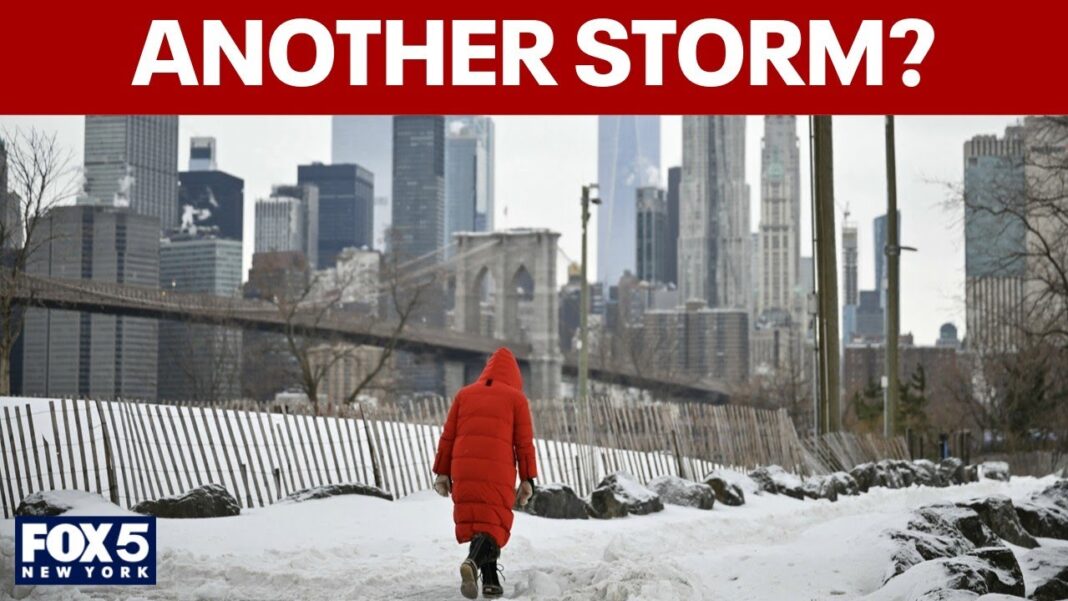
As New York City struggles to regain its footing after one of the heaviest snowfalls of the season, a new and potentially more volatile meteorological threat is bearing down on the region. According to forecasts cited by VIN News in a report on Wednesday, a powerful winter system classified as a bomb cyclone is expected to strike the city late Saturday night and persist through Sunday, layering fresh snow, brutal winds, and dangerously low temperatures onto a metropolis already fatigued by a punishing winter week.
VIN News reported that the storm, intensifying rapidly as it moves up the East Coast, is projected to bring additional snowfall of up to three inches to New York City, even as many neighborhoods are still digging out from more than a foot of accumulation earlier in the week. While three inches may appear modest in isolation, meteorologists warn that the true danger lies not merely in snowfall totals, but in the violent atmospheric dynamics that define a bomb cyclone: rapidly dropping barometric pressure, fierce winds, and plunging temperatures that transform ordinary winter precipitation into a life-threatening weather event.
The term “bomb cyclone,” increasingly familiar to the public in recent years, refers to a storm that intensifies explosively, strengthening at a rate of at least 24 millibars within 24 hours. The VIN News report explained that this rapid intensification process creates extreme pressure gradients in the atmosphere, resulting in gale-force winds, blizzard-like conditions, and volatile weather patterns that can paralyze transportation systems and endanger public safety even when snow totals are relatively limited.
Forecasters indicate that the approaching system will combine strong winds with temperatures hovering between the low teens and mid-20s, producing wind chills at or below zero across large portions of the city. In such conditions, exposed skin can freeze in minutes, and even short periods outdoors pose serious health risks, particularly for the elderly, the homeless, and those with underlying medical conditions. The combination of wind and cold will amplify the storm’s impact far beyond what snowfall figures alone might suggest.
The most severe effects, according to meteorological models, are expected east of New York City. Long Island, in particular, is forecast to bear the brunt of the system, with snowfall totals potentially reaching six inches in some areas. Strong coastal winds may create near-whiteout conditions, reducing visibility to dangerous levels and making travel hazardous or impossible in certain corridors. For coastal communities already vulnerable to winter storms, the convergence of snow, wind, and freezing temperatures presents a complex and dangerous scenario.
Throughout the city, the storm is expected to produce blustery, unstable conditions, with gusts capable of whipping loose snow into the air, creating localized whiteouts even in areas with lighter accumulation. These conditions can be especially treacherous for drivers and pedestrians, as seemingly manageable roads can become impassable within minutes due to drifting snow and sudden drops in visibility.
City officials are urging residents to exercise extreme caution, avoid unnecessary travel, and take the storm seriously despite the relatively modest snowfall projections for Manhattan and the inner boroughs. The concern is not merely accumulation, but the compound danger of ice, wind, and extreme cold acting in concert. Roads already compromised by earlier snowstorms may refreeze, sidewalks may become sheets of ice, and emergency response times could be delayed by weather-related disruptions.
The storm’s timing is also significant. VIN News reported that it is expected to arrive late Saturday night, a period when visibility is already limited and many city services operate on reduced schedules. Overnight snowfall combined with high winds increases the likelihood of accidents, stranded vehicles, and emergency situations that can escalate rapidly before daylight arrives.
Urban infrastructure, already strained by consecutive winter systems, faces renewed pressure. Transit systems, sanitation services, and emergency responders must once again mobilize under hostile conditions. Even after the storm moves out by Sunday night, the aftermath will linger. Sub-zero wind chills, frozen surfaces, and compacted snow will continue to pose hazards well into the following week, even as only minor flurries are forecast in the days ahead.
Beyond the physical dangers, the psychological toll of repeated severe weather events should not be underestimated. VIN News has repeatedly documented how consecutive storms compound stress across the city, particularly among vulnerable populations. For families struggling with heating costs, workers navigating unreliable transportation, and individuals living without stable shelter, each new storm compounds existing hardship.
Meteorologists stress that bomb cyclones represent a category of storm where unpredictability is itself a risk factor. Small shifts in atmospheric pressure, temperature gradients, or storm trajectory can dramatically alter local conditions within short timeframes. What begins as light snowfall can rapidly intensify into blizzard conditions, and calm winds can escalate into hazardous gusts with little warning.
This volatility is why emergency preparedness officials continue to emphasize proactive caution. VIN News reported that residents are being advised to dress in layered, insulated clothing, secure loose outdoor objects, and ensure that emergency supplies — including food, water, batteries, and medications — are readily available. For those who must travel, authorities stress the importance of winter tires, emergency kits, and situational awareness.
The storm’s projected departure by Sunday night offers some reassurance, but meteorologists caution that the cold air mass behind the system will linger. Even after snowfall ceases, the combination of frozen ground, accumulated ice, and sustained low temperatures will keep conditions hazardous, particularly during early morning and nighttime hours when refreezing is most intense.
In a broader climatic context, the VIN News report highlighted that the increasing frequency of extreme winter weather events reflects a pattern of greater atmospheric instability. Bomb cyclones, once considered rare, are becoming more common as temperature differentials between Arctic and warmer air masses grow more volatile. This scientific reality suggests that such storms may no longer be anomalies, but recurring features of winter in the northeastern United States.
For New York City, a metropolis built on density, mobility, and constant motion, such storms represent more than weather disruptions — they test the resilience of infrastructure, governance, and community solidarity. Each storm becomes a measure of preparedness, coordination, and public trust.
One reality is clear: this is not merely another winter snowfall. It is a convergence of atmospheric forces capable of transforming familiar city streets into dangerous terrain, of turning ordinary cold into life-threatening exposure, and of reminding New Yorkers that winter’s most severe threats often come not in dramatic blizzards alone, but in the silent, relentless combination of wind, ice, and cold.
By the time the bomb cyclone exits the region Sunday night, it will leave behind more than snowdrifts and frozen sidewalks. It will leave a city once again reminded of the thin line between routine winter weather and true meteorological crisis — a line that, as VIN News reported, New York now stands directly upon.
