



|
Getting your Trinity Audio player ready...
|
Fifteen Days of Ice: NYC Braces for a Historic Deep Freeze Not Seen in Generations
By: Carl Schwartzbaum
New York City is on the brink of a meteorological milestone that few living residents have ever experienced, as a relentless stretch of subfreezing temperatures threatens to become the longest sustained deep freeze the city has endured in 65 years. If forecasts hold through next weekend, the Big Apple will have spent 15 consecutive days with daytime highs at or below the freezing mark—a brutal run that has already reshaped daily life, strained city services, and exacted a deadly toll. The unfolding cold snap, detailed in a report that appeared on Sunday in The New York Post, has drawn the attention of meteorologists nationwide and evoked comparisons to some of the harshest winters in the city’s long and storied history.
According to experts cited in The New York Post report, New Yorkers are expected to shiver through temperatures of 32 degrees or lower every day until at least Saturday, February 7. Should that forecast verify, it would mark the second-longest streak on record of maximum temperatures failing to rise above freezing. “We are expecting the high temperature to be at or below 32 through next Saturday, which would rank as the second longest streak with the maximum temperature at or below 32 in years,” meteorologist Chad Merrill told The New York Post on Sunday, underscoring the rarity of the event.
The last time the city experienced such a 15-day run of subfreezing highs was in 1881, a year etched into meteorological lore for its extreme cold and ferocious winter storms. That same day, Merrill noted, a bomb cyclone intensified wind chills across the city, driving temperatures into the single digits and making conditions dangerously inhospitable—an eerie parallel to the present moment. The New York Post reported that while the current streak is expected to fall just shy of the all-time record of 16 consecutive freezing days set in 1961, the comparison alone speaks volumes about the severity of this winter’s grip.
City temperatures have not climbed above the freezing mark since January 24, and next week appears poised to continue the pattern. Forecasts call for daytime highs in the mid-20s and overnight lows plunging into the teens and single digits, conditions that The New York Post report described as “bone-chilling” even by the standards of a city accustomed to winter hardship. Wind chills, exacerbated by powerful coastal systems, were expected to dip below zero Sunday night, compounding the danger for anyone exposed to the elements.
Behind the prolonged freeze lies a rare and stubborn atmospheric configuration. Meteorologists explained to The New York Post that high-pressure systems lingering over Greenland and the western United States have effectively opened a direct pipeline of Arctic air into the eastern half of the country. “We’re getting a kind of a direct connection or direct line from the northern regions where the air mass is originating,” Merrill said, “and it’s taking the shortest distance it can from all the way up close to the Arctic Circle down into the eastern US.” The result has been a sustained delivery of frigid air that shows little inclination to retreat.
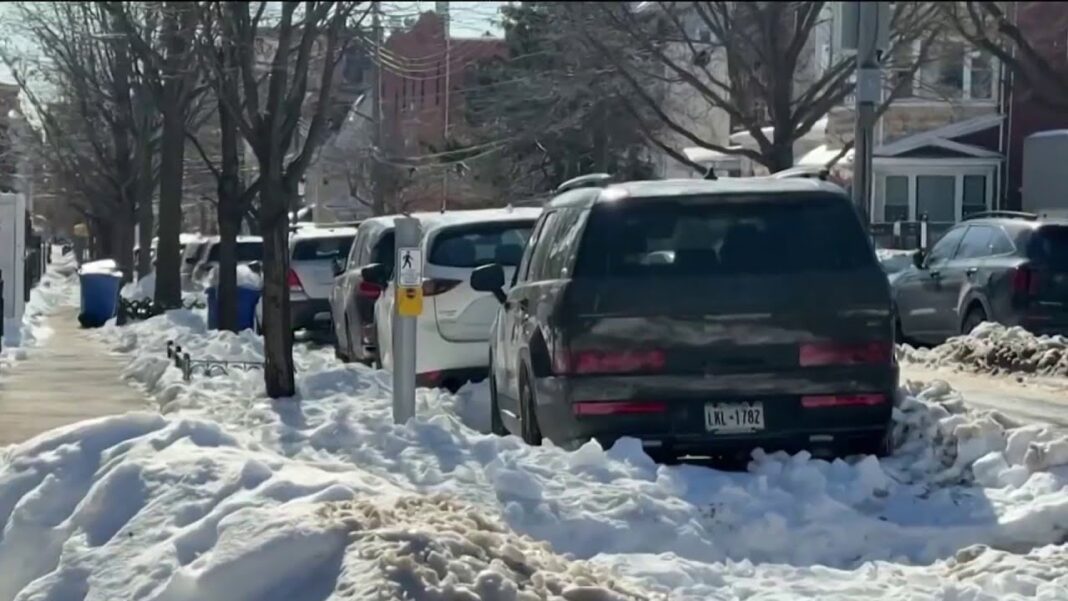
This atmospheric setup has already fueled a cascade of extreme weather events. On January 25, a massive blizzard buried large swaths of the mid-Atlantic and East Coast, dumping heavy snow and snarling transportation. A week later, a bomb cyclone barreled up the coast, whipping fierce winds through New York City and sending wind chills plummeting. These back-to-back systems have kept the city locked in a wintry vise, with little respite between storms and cold waves.
The human cost of the cold has been stark. At least 14 people are suspected of having died outdoors during the current freeze, a grim reminder that extreme weather can be as lethal as it is inconvenient. City officials have scrambled to expand warming centers, coordinate outreach to the homeless, and urge residents to check on vulnerable neighbors. Yet as temperatures remain stubbornly low, the risks persist, particularly for those without reliable shelter or heating.
Beyond the immediate dangers, the prolonged freeze has placed extraordinary pressure on the city’s infrastructure. Frozen pipes, strained power systems, and icy roads have become daily challenges. Sanitation crews, transit workers, and emergency responders have labored under difficult conditions to keep the city functioning. The New York Post has chronicled stories of burst water mains flooding streets, commuters navigating slick platforms, and small businesses struggling with soaring heating costs.
Historically, New York City has endured its share of brutal winters, but the rarity of such a sustained deep freeze has heightened its impact. The winter of 1961, which holds the record for consecutive freezing days, is remembered for its unrelenting cold and snow. Even that benchmark looms large in the city’s collective memory, and the prospect of approaching it has lent the current cold snap a sense of historic gravity. As The New York Post report noted, many longtime residents say they cannot recall a comparable stretch of cold in their lifetimes.
Meteorologists caution, however, that even historic cold spells eventually break. Merrill told The New York Post that a pattern change is likely late next weekend or early the following week, potentially pushing temperatures above freezing for a brief period. “I think we’re looking at that streak probably ending Sunday or Monday,” he said. While such a thaw would bring relief, it may also introduce new hazards, including icy meltwater and refreezing overnight, a cycle that can exacerbate damage to roads and buildings.
The broader climatological context adds another layer of complexity. While climate change is often associated with warming trends, scientists have long warned that it can also contribute to more volatile and extreme weather patterns. Some experts see the current deep freeze as part of that broader volatility, in which disruptions to polar circulation can send Arctic air surging southward with unusual persistence. Though no single event can be definitively attributed to climate change, the pattern fits within a growing body of observations about increased extremes.
For New Yorkers, however, the scientific debates offer little immediate comfort. The daily reality has been one of bundled commutes, frozen sidewalks, and the constant calculation of how long one can safely remain outdoors. Parents have worried about children waiting at bus stops in subzero wind chills; business owners have fretted over heating bills; city agencies have raced to prevent tragedy.
As the freeze drags on, comparisons to past winters continue to surface. In 1881, the last time New York saw a similar 15-day stretch of freezing highs, the city was a vastly different place—less populous, less vertical, and less dependent on complex infrastructure. Today’s metropolis, with its millions of residents and intricate systems, faces challenges that earlier generations could scarcely imagine. That the city has continued to function at all under such conditions is a testament to modern resilience, even as the toll mounts.
The coming days will determine whether the current cold snap secures its place in the record books or remains a near miss. Either way, its imprint on the winter of 2026 is already indelible. The New York Post report framed the event not merely as a meteorological curiosity, but as a moment that exposes the vulnerabilities and strengths of urban life in an era of increasingly unpredictable weather.
As New Yorkers count the days and watch the forecasts, the city waits for the promised pattern shift that might finally loosen winter’s grip. Until then, the streets remain locked in ice, the air sharp with cold, and the memory of this deep freeze already settling into the city’s long history of enduring—and surviving—the extremes of nature.
