



|
Getting your Trinity Audio player ready...
|
By: Jordan Baker
A growing controversy over how anti-Jewish incidents are categorized in New York City has sparked outrage among religious leaders and community advocates, with some warning that the changes risk distorting reality rather than clarifying it. As the NY Post reported, critics argue the shift reflects a broader effort to reshape public perception — one they say amounts to propaganda.
At the center of the debate is a change in how certain crimes are recorded and classified, particularly those targeting Jewish communities. According to the NY Post report, the revised methodology has raised alarms among observers who believe it could lead to undercounting or misrepresenting the scope of antisemitic incidents across the city.
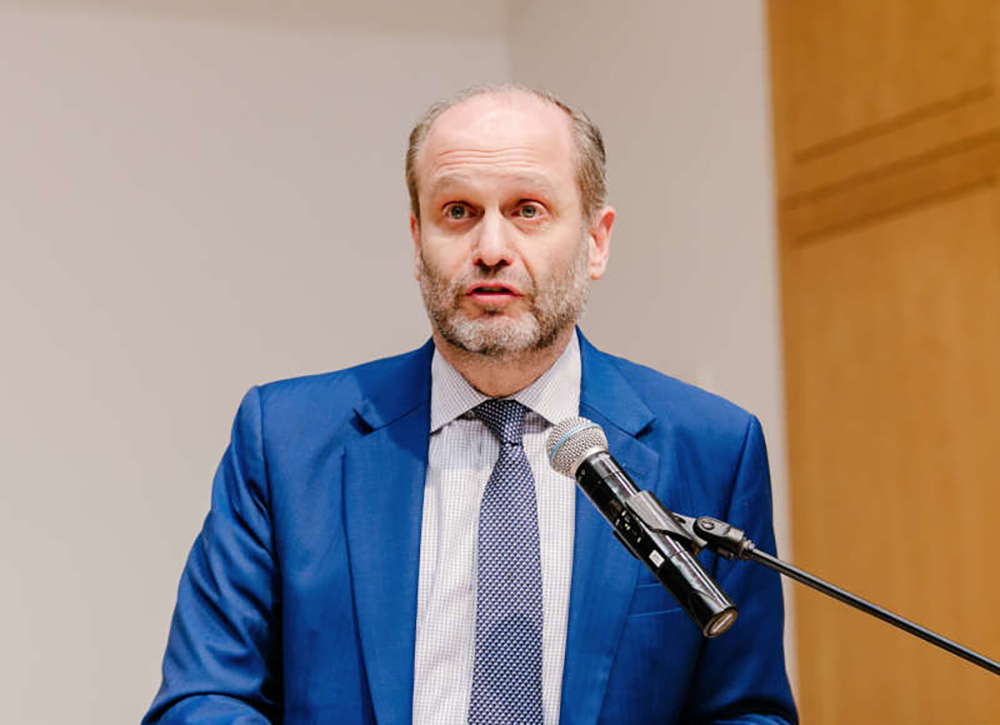
One of the most forceful voices came from Rabbi Chaim Steinmetz of Congregation Kehilath Jeshurun on Manhattan’s Upper East Side. He warned that what’s unfolding goes beyond bureaucratic adjustments and enters more troubling territory. As the NY Post reported, Steinmetz cautioned, “We’re all watching the manufacturing of propaganda in real time,” expressing concern that the changes could shape a misleading narrative about public safety and hate crimes.
The concern among critics is not simply about numbers, but about trust. By altering how incidents are categorized, they argue, officials may unintentionally — or deliberately — create a version of reality that downplays the severity or frequency of antisemitic acts. The NY Post report highlights fears that this could erode confidence in official data and make it harder for communities to advocate for resources or protection.
Supporters of the policy adjustments, however, suggest that changes in classification systems are sometimes necessary to improve accuracy or align with evolving legal definitions. Still, skeptics remain unconvinced, arguing that any modification affecting sensitive issues like hate crimes must be handled with maximum transparency.
The broader issue raised by the controversy touches on the power of information itself. As experts often note, the way data is presented — what is included, excluded, or redefined — can significantly influence public understanding. The NY Post report underscores that critics believe this situation exemplifies how narratives can be shaped not only by what is said, but by how facts are organized and communicated.
For many in New York’s Jewish community, the stakes feel especially high. In recent years, antisemitic incidents have drawn increased attention nationwide, and accurate reporting is seen as essential for both accountability and prevention. Any perception that the numbers are being softened or reframed, critics say, risks diminishing the seriousness of the threat.
Ultimately, as the NY Post reported, the backlash reflects a deeper anxiety about credibility in public institutions. When people begin to question whether official figures reflect reality, it can fuel skepticism far beyond a single policy change.
Whether the city revisits or clarifies its approach remains to be seen. But for now, the debate has ignited a wider conversation about truth, transparency, and the fine line between data interpretation and narrative construction — a line critics warn must not be crossed.
