



|
Getting your Trinity Audio player ready...
|
Your Kid’s Favorite Cereal May Be Fueling the Obesity Crisis, Study Warns — Here’s What Nutrition Experts Say
By: Carl Schwartzbaum
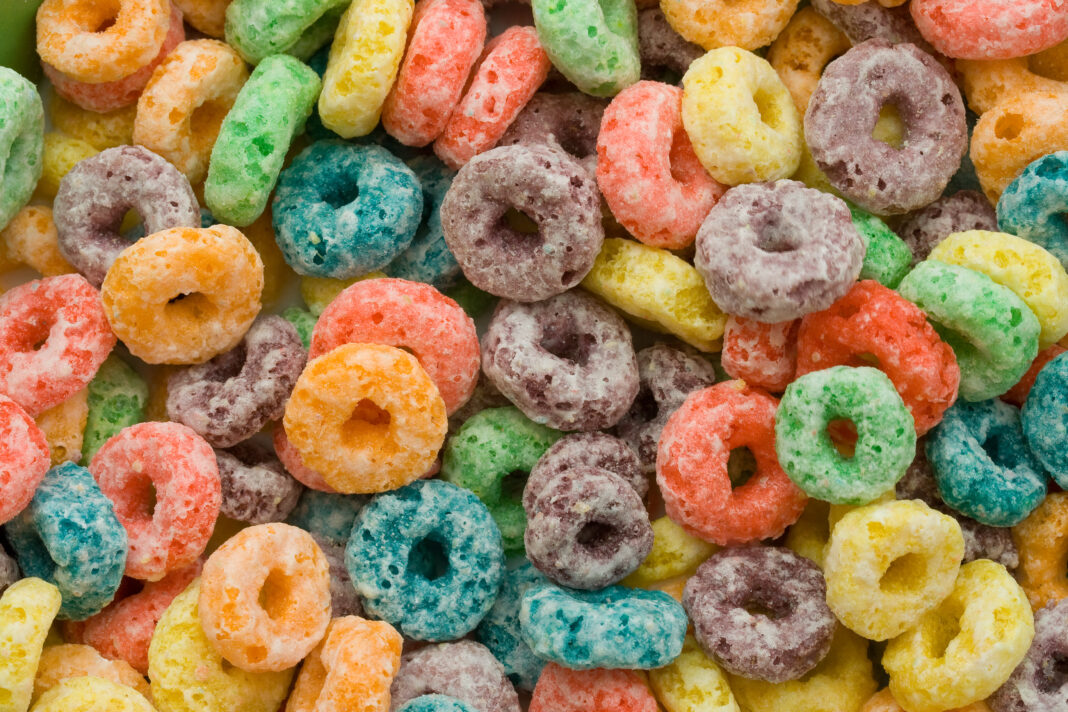
They’re bright, sweet, and seemingly harmless — but many of the colorful breakfast cereals lining grocery store shelves are packing far more than just crunch. According to a new study that analyzed over a decade’s worth of nutritional data, children’s cereals are becoming increasingly unhealthy, with rising levels of fat, sugar, and sodium — and dwindling nutrients like protein and fiber.
As The New York Post recently reported, these findings may help explain a troubling trend: 1 in 5 children and adolescents in the U.S. are now classified as obese, according to the CDC. And breakfast — once hailed as the most important meal of the day — may be playing an unexpected role in the crisis.
The peer-reviewed study, published this week in JAMA Network Open, examined more than 1,200 new or reformulated cereals marketed toward children between 2010 and 2023. The cereals were easy to identify — often adorned with cartoon mascots, rainbow hues, and box-top prizes designed to attract kids aged 5 to 12.
What researchers found was disturbing.
Fat content increased by nearly 34%, jumping from 0.13 grams per serving in 2010 to 1.51 grams in 2023.
Sodium levels climbed by 32%, reaching over 200 milligrams per serving — a concerning number when viewed alongside a child’s total daily salt intake.
Sugar content rose by 11%, with some cereals containing more than 45% of the American Heart Association’s recommended daily limit for kids in just one serving.
“With cereal, that’s just them starting off the day,” Dr. Josephine Connolly-Schoonen, executive director of the nutrition division at Stony Brook Medicine, told The New York Post. “You can quite easily see how they’ll exceed the recommendation of 25 grams or less of sugar for kids in a day.”
Even worse, protein content dropped, and dietary fiber levels fell by nearly a gram per serving between 2021 and 2023 — a double blow for kids who need those nutrients for energy, satiety, and proper digestion.
“These trends suggest a potential prioritization of taste over nutritional quality in product development,” the study authors concluded. “This could be contributing to childhood obesity and long-term cardiovascular health risks.”
Nutrition experts say the problem is about more than sugar highs and mid-morning crashes — though those are very real too.
Stephanie Schiff, a registered dietitian at Northwell Health’s Huntington Hospital, told The New York Post that highly processed cereals often contain artificial colors and preservatives linked to inflammation, which can elevate a child’s long-term risk of chronic illnesses.
“Cereals can be full of sugar, which provides non-nutritive calories and can contribute to weight gain,” Schiff explained. “Combined with other ultra-processed foods, this can increase the risk of type 2 diabetes, heart disease, and even behavioral issues.”
The findings come amid a broader push by the Trump administration to clean up America’s food supply. As The New York Post recently reported, Health and Human Services Secretary Robert F. Kennedy Jr. announced a sweeping initiative to phase out eight petroleum-based food dyes linked to health issues — many of which are still found in children’s cereals.
In addition to rising fat, salt, and sugar, today’s cereals are stripping away key nutrients kids need to thrive.
Protein, essential for muscle development and immune function, declined significantly.
Fiber, critical for digestive health and preventing overeating, dropped by almost a gram per serving in just two years.
“Kids’ cereals have barely any fiber — something that helps kids feel full and keeps their digestive tract running smoothly,” Schiff told The Post. “Without it, they’re more likely to feel hungry again soon and reach for more snacks.”
Despite the alarming trends, experts say cereal doesn’t have to be off the table. The key is making smarter selections and reading ingredient labels carefully.
“When it comes to kids or adults, I like cereals that contain whole grains, minimal added sugar and have at least a few grams of fiber per serving,” Schiff advised.
Among her top picks are classic Cheerios, Wheaties, Kashi Honey Toasted Oat Cereal, Nature’s Path Whole Wheat Raisin Bran, and Heritage Flakes.
She recommends transitioning kids gradually by mixing high-sugar cereals with healthier, high-fiber ones. Adding toppings like fresh fruit, chopped nuts, or shredded coconut can boost flavor and nutrition without relying on sugar.
Connolly-Schoonen echoed the advice, adding that a little meal prep can go a long way. “If you can prep something like overnight oats or a veggie frittata at the beginning of the week, it makes mornings easier,” she said. On rushed days, she recommends whole wheat toast with natural nut butter and a serving of fruit — a balanced, no-fuss alternative to sugary cereals.
Despite growing concerns, cereal remains a mainstay in American households. The New York Post report cited recent CivicScience polling which found that nearly 75% of U.S. households bought cereal in 2023. Although only 12% of people eat it daily, 18% reach for it three to four times a week, and 23% enjoy it once or twice weekly.
However, the same poll revealed a shift in consumer awareness: nearly one-third of Americans are actively seeking healthier cereal options — a trend that experts hope will nudge the food industry toward more responsible reformulation.
The new study reinforces what health professionals have long warned: Not all cereals are created equal, and the bright packaging and playful mascots often hide ingredients that could pose long-term health risks for children.
“Food companies have been doing this for years — making products look healthy when they’re anything but,” Connolly-Schoonen warned. “It’s up to us to look beyond the box and protect our kids’ health.”
For parents hoping to turn the tide on childhood obesity, rethinking breakfast may be the best place to start.