



|
Getting your Trinity Audio player ready...
|
By: Consumer News & Melanie Colvin
In the United States alone, more than 800,000 heart attacks occur each year.
That number will likely continue to rise: The American College of Cardiology predicts significant increases in heart disease and cardiovascular risk factors across the country by 2060. And a recent poll from Ohio State University’s Wexner Medical Center found heart attacks can even occur in groups you may not suspect, like young people.
So, exactly what is a heart attack and what symptoms spell trouble?
Heart attacks are life-threatening emergencies and need to be treated immediately. They cause damage to your heart that can lead to serious health issues or even death.
“The earlier you come in for medical care, the earlier we can start therapy and the less damage there will be to the heart,” said Dr. Ming Sum Lee, a clinical cardiologist with Kaiser Permanente. Recognizing heart attack symptoms early is critical for preventing severe outcomes and improving survival rates.
What is a heart attack?
“A heart attack is a blockage in one of your coronary arteries,” Dr. Michael Heffernan, a cardiologist at Oakville Trafalgar Memorial Hospital in Ontario, Canada, said recently in a video. “You can think of it like the plumbing in your house… when one of those pipes somehow gets a block and the blood can’t flow through, the muscle it’s supposed to feed starts to die.”
According to the American Heart Association, a coronary artery can be blocked by a buildup of fat, cholesterol or other substances that partially or completely block blood flow to a part of the heart. Reduced blood flow results in a lack of oxygen, which damages the heart muscle or may even cause death.
There can be other causes for a heart attack. A less common cause could be when a coronary artery contracts or goes into spasm. This causes the artery to narrow, decreasing or completely stopping blood flow to part of the heart muscle. These sorts of spasms can occur in blood vessels that appear normal or in vessels that are partly blocked.
Signs of a heart attack
Heart attack signs and symptoms can range from mild to severe, and they can vary from person to person. An American Heart Association list of heart attack signs includes:
Pain or discomfort in the chest, arm or shoulder
Lightheadedness, nausea or vomiting
Pain in the jaw, neck or back
Shortness of breath
These are some common signs and symptoms of a heart attack, but not all heart attacks will look the same. In fact, symptoms can differ significantly between men and women.
Signs of heart attack in women vs. men
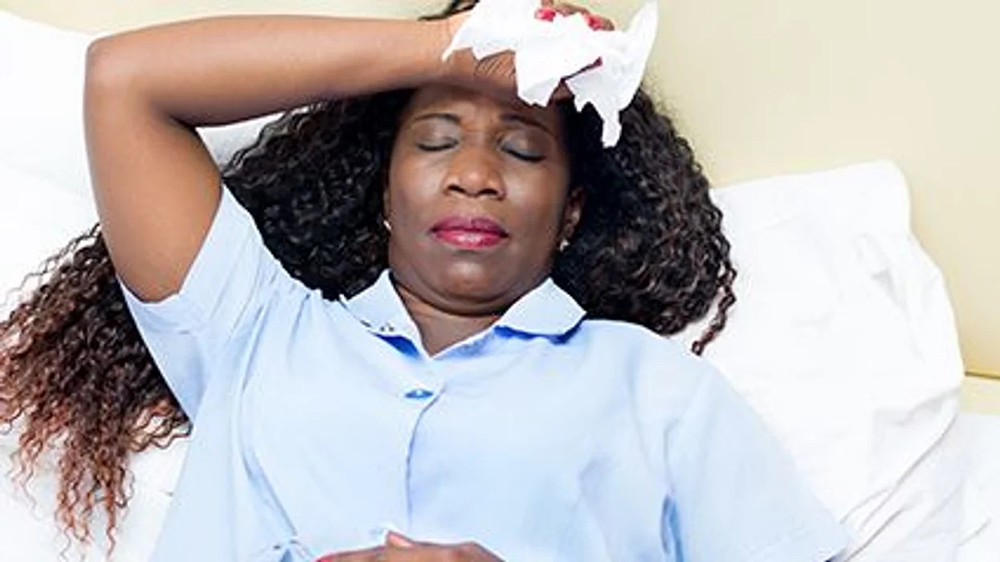
Heart disease is the leading cause of death among women and was responsible for 1 in 5 such deaths in 2020, according to the U.S. Centers for Disease Control and Prevention. Lee shared that she has seen both younger and older women wait to seek care even though they were experiencing symptoms.
“Several studies have shown that women wait longer to get treatment for a heart attack than men,” Lee noted. “Many women aren’t aware that they’re at risk for heart attack, so when they start having symptoms, they don’t even consider that it’s a warning sign.”
Not only that, but younger women tend to have to wait longer to be treated than men do once they do show up in the emergency room, according to research presented recently at an American College of Cardiology meeting.
Women may also be less likely to experience the classic symptoms of chest pain and pressure, and instead experience other symptoms, such as:
- Fatigue or weakness
- Sleep disturbances
- Shortness of breath
- Heartburn or indigestion
- Unusual fatigue
- Anxiety or feelings of doom
- Pain or pressure in the lower chest or upper abdomen
- What to do if you experience symptoms of a heart attack
The sooner you receive medical treatment after experiencing symptoms, the better your outcome will be. If you experience any symptoms of a heart attack, do not wait to seek medical attention or to see if your symptoms will go away. It is important to call 911 or your local emergency medical services immediately to improve your chances of survival and reduce damage to the heart. Once you reach a hospital, clinicians can run tests to check if you have experienced a heart attack and select the best treatment for you.
The American Heart Association reported that in highly developed countries, Indigenous populations may have a higher rate of stroke, according to new research that highlights a dire need for more data and well-designed studies.
Each year, nearly 12 million people worldwide have a stroke, which takes place when a vessel carrying blood to the brain is blocked by a clot or the vessel ruptures and bleeds into the brain, causing brain cells to die. But little is known about stroke’s impact on the estimated 370 million Indigenous people worldwide.
Researchers reviewed data about the impact of stroke on Indigenous populations in countries ranking high on the Health Development Index, a guideline designed by the United Nations to measure economic wealth, education and life expectancy. By focusing on highly developed countries, researchers hoped to find the true burden of the disease without the bias of poor health care access, said the study’s lead researcher, Dr. Anna Balabanski, a neurologist and stroke physician at Alfred Health in Melbourne, Australia.
They found 24 peer-reviewed studies and abstracts from seven countries from 1990 to 2022 that looked at stroke among Indigenous adults. Compared with respective non-Indigenous populations, the study found age-standardized stroke rates were about two to three times greater in Aboriginal and Torres Strait Islander Australians, almost twice as great in Singaporean Malay populations, and 8% to two times higher among Sámi populations in Sweden and Norway. American Indians had a 20% greater stroke rate than non-Hispanic white populations.
The research will be presented Feb. 10 at the American Stroke Association’s International Stroke Conference in Dallas. The findings are considered preliminary until the full results are published in a peer-reviewed journal.
“These findings reflect the overall impact of colonization on health in these populations,” Balabanski said. “If you don’t have access to education, work or healthy food, or if you have to travel hundreds of kilometers to see a doctor, those factors may predispose you to poor health.”
Balabanski said health care professionals need to be more proactive about stroke prevention and treatment for Indigenous patients. Better health care education in Indigenous communities is also essential, she said.
“While we can’t change the historical intergenerational trauma, we can change things going forward to give Indigenous populations the best possible access to health care and the best opportunities for a healthy life.”
The study was done in conjunction with a seven-person Indigenous Advisory Board, made up of Indigenous researchers from around the world. Balabanski said one limitation of how the original studies were conducted is that Indigenous people were not involved in overseeing the studies.
“It’s critically important for Indigenous stakeholders to design, lead and review the research at every stage so it can have the greatest relevance and impact,” she said.
