



By: Joseph Mercola
Long COVID, also known as long-haul COVID, chronic COVID, or long-haul syndrome, refers to symptoms that persist for four or more weeks after an initial COVID-19 infection. Board-certified internist and cardiologist Dr. Peter McCullough discusses potential treatments for long-haul COVID in an interview with Dr. Al Johnson posted on YouTube, including which tests may be necessary and when to seek emergency medical care.
Many of the symptoms can also mirror those caused by COVID-19 vaccinations, and McCullough details the four categories of COVID-19 vaccine-injury syndromes that he has seen in his practice. While anyone can experience long COVID, those who are sick enough to be hospitalized in the intensive care unit are more likely to be affected.
According to McCullough, 50 percent of this group will have manifestations of long COVID syndrome.
“So the sicker someone is and the longer the duration of COVID, the more likely they are to have long COVID syndrome,” he said. “That’s the reason why we like early treatment. We shorten the duration of symptoms and there’s less of a chance for long COVID syndrome.”
Common Symptoms of Long COVID
Signs and symptoms of long COVID, which persist for four weeks or more after you’ve been diagnosed with COVID-19, include fatigue, shortness of breath or difficulty breathing, coughing, joint pain, chest pain, memory or concentration problems, sleep problems, muscle pain or headache, a fast or pounding heartbeat, the loss of smell or taste, depression or anxiety, fever, dizziness when you stand, or worsened symptoms after physical or mental activities.
These symptoms are a result of damage to the following body systems: pulmonary/lungs, immune/allergy, mitochondria/energy system, heart, or central/peripheral nervous system.
According to McCullough, a paper that was presented by Dr. Bruce Patterson at the International COVID Summit in Rome, Sept. 12 to Sept. 14, shows that in “individuals who’ve had significant COVID illness, 15 months later the s1 segment of the spike protein is recoverable from human monocytes.”
“That means the body literally has been sprayed with the virus and it spends 15 months, in a sense, trying to clean out the spike protein from our tissues. No wonder people have long COVID syndrome,” he said.
Be on the Lookout for Blood Clots for 90 Days
If you’ve had COVID-19, especially if it was a severe case, be aware that blood clots and heart problems, including heart attack, can occur for 90 days or more after recovery. It’s believed that remnants of the virus remain in the nervous system, the lungs, the heart, and other organs.
If the symptoms include major shortness of breath, a cough with blood in it, or pain on one side when you take a deep breath, it could be due to a late pulmonary embolism or a blood clot going to the lungs.
“We’ve seen this on more than one occasion,” McCullough said.
In this case, he recommends a chest CT with contrast and, if a blood clot is found, the use of oral blood thinners for three to six months. He also uses full-dose aspirin—325 milligrams per day—in almost everyone with long COVID syndrome who doesn’t have a major blood clot, in addition to other medications.
However, a safer and likely equally effective alternative to aspirin is digestive fibrinolytic enzymes such as lumbrokinase and serrapeptase. You can alternate between the two enzymes—one day take lumbrokinase and the next take serrapeptase—because you’ll need to be on them for about three months, and you can develop a sensitivity to them over time.
Anyone who has had COVID-19, especially with significant symptoms, should consider taking digestive fibrinolytic enzymes to be sure you don’t have clotting. An alternative to determine if clotting is occurring is a test known as D-dimer, although it can be pricey. D-dimer is a protein fragment produced by the body when a blood clot dissolves.
D-dimer is typically undetectable or present only at very low levels, but its level may significantly rise when your body is forming and breaking down blood clots. If your d-dimer test is low, then you don’t need to take the enzymes. Likewise, if you had a very mild, cold-like case of COVID-19, you probably don’t need them.
Aside from a CT scan to rule out a pulmonary embolism if you’re having symptoms, and possibly a D-dimer test, McCullough suggests a high-sensitivity C-reactive protein (CRP) test, which provides a general index of inflammation.
“This pursuit of a blood clot is very important. I’ve seen multiple cases now where blood clots have been missed. … This is now almost a daily occurrence, particularly within the first 90 days after COVID-19,” he said.
Heart Problems and Neurological Issues Are Common
Inflammation around the lining of the heart (pericarditis) and the lining of the lungs (pleuritis) may also occur in long COVID patients.
“The virus can set up inflammation,” McCullough said. “The spike protein is in the body, it’s triggered inflammation.”
He prescribes steroids and colchicine, an anti-inflammatory drug commonly used for gout to reduce high uric acid, in such cases.
There’s a real risk for heart attack or stroke to occur without warning in long COVID, so McCullough warns those recovering to “be on your guard,” especially if you have a heart stent or carotid stenosis.
Neurologic syndromes also occur in long COVID, although they aren’t well described. Symptoms include joint and muscle pain, headaches, brain fog, and tinnitus (ringing in the ears). Some people also have changes in the autonomic nervous system, such as an elevated heart rate and sensory neuropathies, including numbness and weakness in the legs.
McCullough’s host in the video, Dr. Al Johnson, recommends using a foam roller on your back three to five times per day to relax your nervous system, as well as to relieve rib pain from all the coughing. McCullough has had some success treating neurologic symptoms with an older SSRI with called fluvoxamine.
Supplements That Play a Role in Long COVID Syndrome
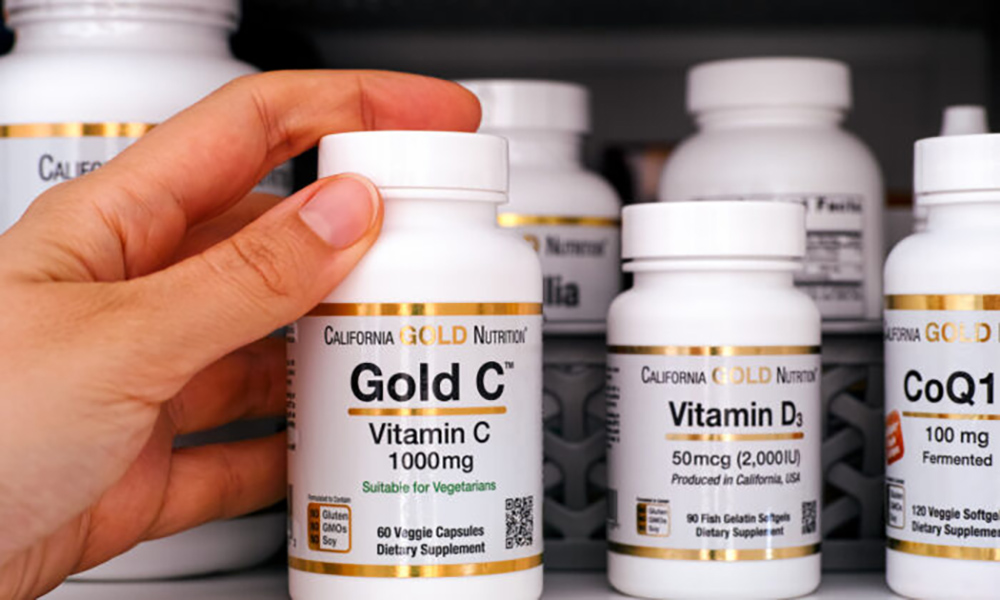
Johnson recommends several supplements to support healing from long COVID, including vitamin C, because it helps calm inflammation; vitamin D, for both prevention and long-haulers; glutathione, because it helps calm inflammatory processes; and N-acetylcysteine (NAC), a precursor to glutathione.
McCullough, an enlightened allopathic physician, recognizes the role that dietary and integrative therapies play in helping people recover from long COVID.
“As an allopathic doctor, I’m not skilled in understanding how to use vitamins and supplements like our integrative, holistic, and naturopathic colleagues, but they’ve played a big role in COVID-19. I’ll just make the observation that COVID-19 is an enormous catabolic strain. … The weight loss is tremendous,” he said.
“It is such a strain on the body. … We want to avoid sugary foods. When someone has acute COVID-19 and moves into the long COVID, post-COVID syndrome, we want to stay away from sugary foods. … The sugar seems to feed the virus. It seems to feed inflammatory processes.”
McCullough has also referred some patients to chiropractors in his area, noting that “long COVID syndrome, out of all the illnesses we face, is one for collaborative care, for integrative care. There’s a lot of elements to it.”
Likewise, Johnson suggests a combination of physical therapy and exercise—but not over-exercising—to get back normal function of your musculoskeletal system.
