



|
Getting your Trinity Audio player ready...
|
Surge in Demand for Ozempic & Wegovy for Weight Loss: A Regional Analysis
Edited by: TJVNews.com
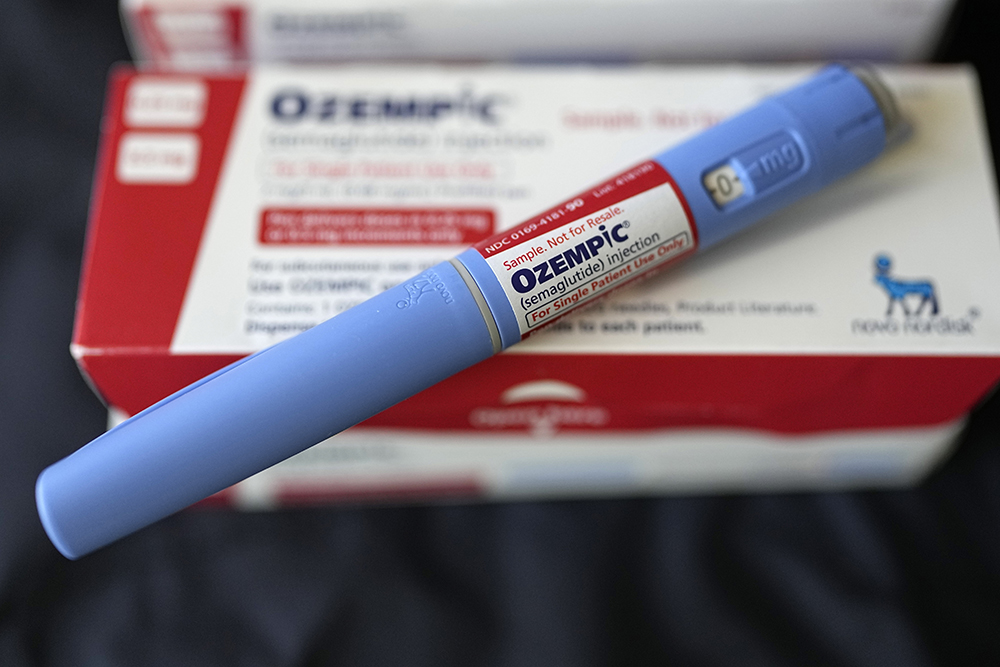
In recent years, the demand for diabetes drugs, particularly weight-loss medications like Ozempic and Wegovy, has experienced a remarkable surge of 300 percent since 2020. While celebrities such as Oprah Winfrey, Sharon Osbourne, Amy Schumer, and Tracy Morgan have endorsed the benefits of these blockbuster drugs, a closer look at the prescription data reveals that it is Americans in the southern states who are leading in filling the most prescriptions for these medications, as was recently reported in The Daily Mail of the United Kingdom.
Ozempic weight loss drug is causing ripples in the stock market and food industry.
Companies such as General Mills, Coca-Cola, and Hershey are experiencing stock declines, and Walmart has reported changes in shopping demand due to these medications.
Ozempic works by reducing… pic.twitter.com/tzE05PcTf1
— Andrew Lokenauth | TheFinanceNewsletter.com (@FluentInFinance) October 11, 2023
The Centers for Disease Control and Prevention (CDC) recently released data that paints a concerning picture of the health landscape in the United States. Almost half of Americans are classified as overweight or obese, signifying a significant health challenge. According to the report in the Daily Mail, the year 2022 saw a record number of states with over 40 percent of their adults classified as obese, with 19 states reporting rates exceeding 35 percent.
The top five most obese states in 2022 were West Virginia, Louisiana, Oklahoma, Mississippi, and Tennessee. As per the Daily Mail report, these states witnessed a concerning prevalence of obesity, reflecting an urgent need for targeted public health interventions. Obesity is a multifaceted issue, influenced by lifestyle factors, genetics, and socio-economic conditions.
Interestingly, states with the highest obesity rates also ranked among the top for diabetes prevalence. Mississippi and Louisiana, part of the top five obese states, were also featured among the states with the highest rates of diabetes, as was noted in the Daily Mail report. The intricate relationship between obesity and diabetes underscores the interconnectedness of these health challenges, necessitating comprehensive approaches to address both conditions.
According to data from 1.9 billion claims from private insurers, Medicaid, and Medicare, Kentucky topped the list of states with the highest rate of weight-loss prescriptions in 2023.
The prescriptions included drugs such as Wegovy (approved for obesity treatment), Ozempic (approved for diabetes but prescribed off-label for weight loss), Mounjaro (used for diabetes treatment), and Zepbound (recently approved for weight loss), according to the information provided in the Daily Mail of the UK report. The analysis covered prescriptions for both diabetes treatment and weight loss, making it challenging to discern the specific number of prescriptions intended solely for weight-loss purposes.
High demand for Ozempic: A Barrier to Access for People Living with Obesity.
People battling chronic obesity are facing stigmatization while trying to obtain the drug Ozempic due to shortages.https://t.co/JikU0l8SSv pic.twitter.com/XLPOBLUXKG
— Parallel Facts (@ParallelFacts) June 27, 2023
The report in the Daily Mail said that with 20.7 prescriptions dispensed per 1,000 people, Kentucky led the nation in the utilization of these medications. West Virginia closely followed with a rate of 18.9 prescriptions per 1,000 people, and Alaska surprisingly secured the third position at 17.5 per 1,000. Mississippi and Louisiana rounded out the top five, emphasizing a regional trend in prescription patterns.
On the other end of the spectrum, Rhode Island emerged as the state with the lowest rate of weight-loss prescriptions, with only 3.7 prescriptions dispensed per 1,000 people, as was indicated in The Daily Mail of the UK report. Massachusetts and Wisconsin followed closely with rates of 4.0 and 4.3 prescriptions per 1,000 people, respectively. Hawaii also shared the fourth position with a rate of 4.3 prescriptions per 1,000, indicating a lower demand for these medications in these states.
Paying out of pocket for these drugs can be a significant financial commitment, ranging between $900 and $1,300 for a month-long supply. Recent price hikes by drug manufacturers have further escalated the costs. For instance, the Daily Mail report said that Novo Nordisk, the manufacturer of Ozempic, increased the price by 3.5 percent to nearly $970 per month, while Eli Lilly, the maker of Mounjaro, raised the cost by 4.5 percent to almost $1,070 per month.
The data analysis also revealed overlapping factors between states with high rates of prescriptions and those with high obesity and diabetes rates. Being overweight or obese is a major risk factor for diabetes, and this overlap suggests a correlation between regional health challenges and the demand for medications addressing both diabetes and weight loss, the report said.
A deeper analysis of data from 2021 reveals a significant overlap between states with high rates of diabetes and those with the highest prescriptions for weight-loss drugs. Kentucky, West Virginia, Mississippi, and Louisiana, all states with elevated rates of diabetes, were also at the forefront in weight-loss prescriptions, the report in the Daily Mail said. This alignment prompts questions about the motivations behind these prescriptions and the potential impact on overall health outcomes.
While the data did not provide specific information on the duration of patients’ medication use, an analysis from Prime Therapeutics indicated that approximately two-thirds of individuals taking weight-loss drugs discontinued them within a year, as per The Daily Mail report. This finding raises considerations about the sustainability and long-term efficacy of these medications in addressing obesity.
Despite the popularity and efficacy of weight-loss drugs, serious side effects have emerged, as reported by patients. Complications such as pancreatitis, bowel obstructions, stomach paralysis, thoughts of suicide, depression, and weight regain have been cited, according to the information provided in The Daily Mail report. These side effects highlight the need for careful consideration and monitoring when prescribing these medications, emphasizing the importance of a nuanced approach to weight management.
The surge in demand for diabetes drugs with weight-loss benefits reflects a noteworthy trend in healthcare preferences, with regional disparities evident in prescription patterns. Understanding the complex interplay of health factors, economic considerations, and recent price hikes provides valuable insights into the dynamics of medication utilization across different states. As the landscape of diabetes and weight-loss treatments continues to evolve, these regional patterns offer crucial considerations for healthcare providers, policymakers, and pharmaceutical companies alike.
The intersection of obesity, diabetes, and weight-loss prescriptions reveals a complex interplay of health challenges in the United States. Addressing these issues requires a multifaceted approach that considers lifestyle interventions, public health policies, and personalized healthcare. As the nation grapples with the consequences of an increasingly overweight and obese population, healthcare professionals, policymakers, and individuals alike must collaborate to implement strategies that promote holistic well-being and mitigate the risks associated with weight-related conditions.
