



|
Getting your Trinity Audio player ready...
|
Jared Evan
(TJV NEWS) In a significant policy decision cheered by medical freedom advocates across the country, the United States on July 18 officially declined to adopt key amendments to the World Health Organization’s pandemic response framework. The decision marks a firm stand in favor of national sovereignty and transparent democratic oversight, amid growing unease with the WHO’s expanding role in global health governance.
The proposed amendments to the International Health Regulations open the door to the kind of narrative management, propaganda, and censorship that we saw during the COVID pandemic. The United States can cooperate with other nations without jeopardizing our civil liberties,… pic.twitter.com/k9IWRavu9D
— Secretary Kennedy (@SecKennedy) July 18, 2025
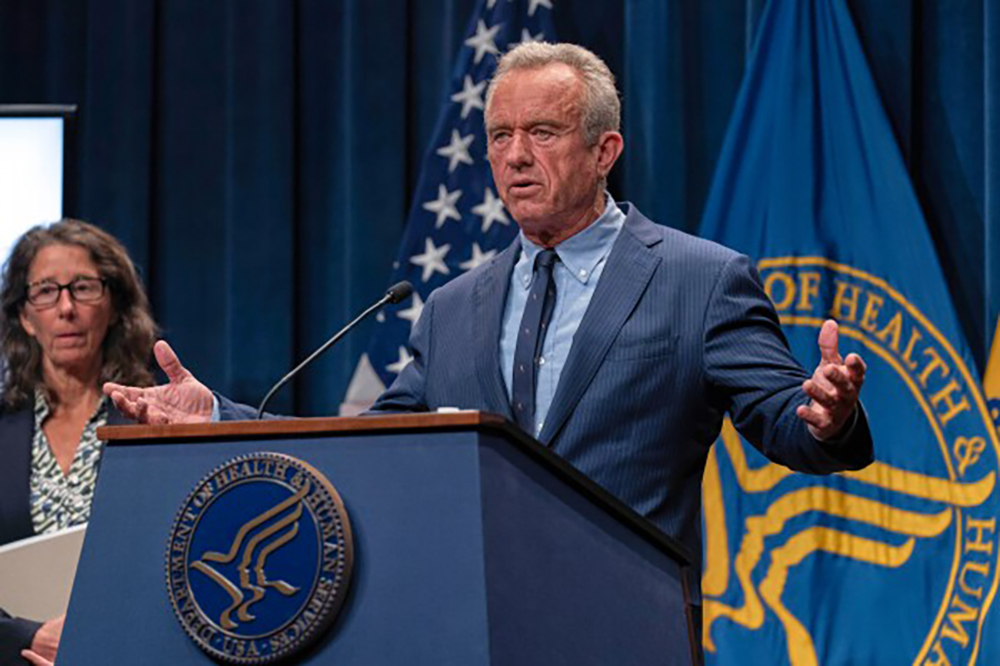
Health and Human Services Secretary Robert F. Kennedy Jr. and Secretary of State Marco Rubio jointly announced the rejection, expressing concern that the proposed changes to the WHO’s International Health Regulations (IHR) would erode domestic control over emergency health decisions and empower unelected international officials to impose sweeping mandates on Americans.
Medical freedom activists — a broad coalition of libertarians, conservatives, and civil liberties advocates — hailed the move as a long-overdue course correction. They have grown increasingly vocal since the COVID-19 pandemic, opposing heavy-handed policies such as lockdowns, forced closures, and vaccine mandates, which many now see as examples of overreach rather than public safety.
Kennedy warned that the IHR amendments could allow the WHO to exert control not only during declared emergencies but even in response to hypothetical or potential risks. “This would mean handing over our decision-making to an organization that answers to no American voter,” he said in a video address.
The proposed treaty included controversial measures such as digital health passes, vaccine certification systems, centralized global databases, and coordinated messaging protocols — all of which raised red flags about surveillance and censorship. Critics pointed to the post-COVID backlash against such tools, with many Americans seeing them as incompatible with basic freedoms and constitutional rights.
Kennedy further criticized the lack of public discussion around the treaty, arguing that its wide-ranging implications deserved a national debate and full Senate approval. “We have a Constitution for a reason,” he said. “Any agreement that allows foreign agencies to dictate our health policies cannot be pushed through without consent from the American people.”
President Trump, now in his second term, has long expressed skepticism toward global institutions, and his administration previously signaled disapproval of WHO operations. In January 2025, he signed an executive order withdrawing the United States from the WHO altogether, citing a pattern of unaccountable behavior, politicization, and failure to protect American interests.
The administration has since halted funding to the organization and ended participation in its negotiations. Congressional Republicans have also backed the administration’s position, passing resolutions to block U.S. compliance with WHO policies that lack Senate ratification.
RFK Jr. reaffirmed the administration’s commitment to global health collaboration but stressed the importance of bilateral and multilateral cooperation rooted in mutual respect and transparency — not top-down control. “We remain committed to working with the world,” he said, “but we will not sacrifice our sovereignty to do it.