



|
Getting your Trinity Audio player ready...
|
Parents Sound Alarm on ‘CoComelon’ Overstimulation: A Generation Hooked on Hyper-Animated Entertainment?
Edited by: TJVNews.com
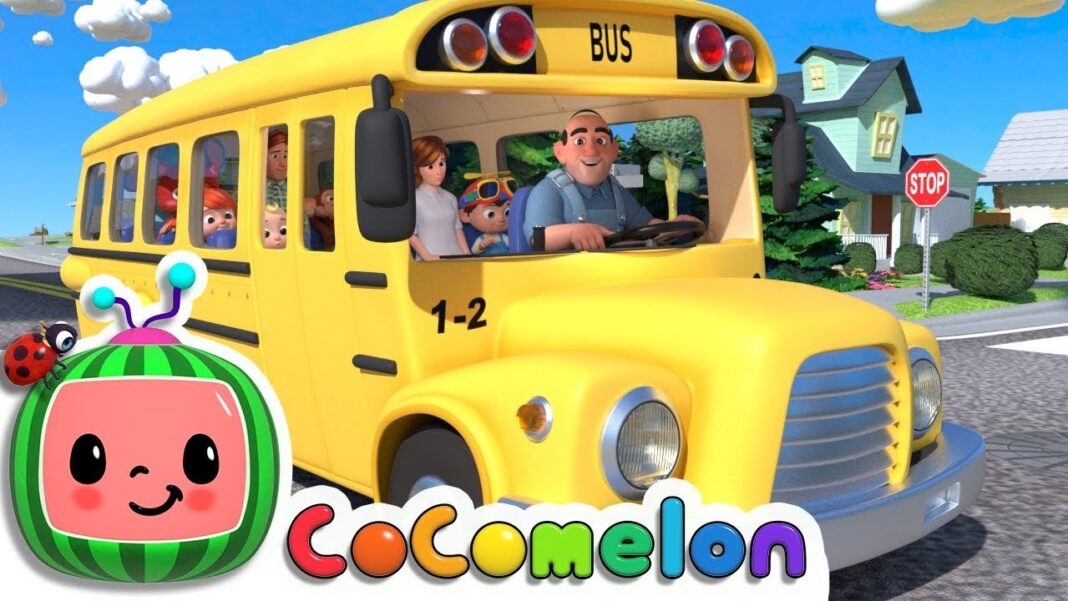
What happens when your toddler’s favorite show turns into a source of anxiety, meltdowns, and behavioral changes? For a growing number of concerned parents across the United States, the answer is clear: pull the plug on CoComelon.
As The New York Post reported on Wednesday, the wildly popular animated series—known for its vibrant colors, rapid-fire pacing, and large-eyed cartoon characters—has amassed nearly 200 billion YouTube views, becoming a cultural juggernaut in the world of children’s programming. But its grip on young audiences is sparking backlash from parents who claim the show’s overstimulating format contributes to tantrums, addictive behaviors, and attention issues.
Virginia mom and former educator Lauren Isler, known to her 140,000 Instagram followers as @MamasandMesses, once thought nothing of letting her young son watch CoComelon. But she soon noticed troubling changes in his behavior.
“He would sit there glued to the TV and he never wanted us to turn it off,” Isler told The New York Post. “When CoComelon was on, he demonstrated some negative behaviors — transitions were hard and there were tantrums, especially when it was time to turn it off.”
Isler, who had seen her child engage with other TV programs without issue, said CoComelon was different in its intensity and impact, likening the effects to a digital high that made ordinary life — quiet time, structured play, or even other shows — feel dull by comparison.
Shani Hillian, a beauty writer and mother based in New York City, told The New York Post that her home is strictly a CoComelon-free zone.
“It’s too fast-paced, it’s too aggressive, and I don’t like how big their eyes are. It’s scary,” Hillian said. “I also feel like the overstimulation is playing into the short attention span I think kids already have.”
Hillian described how her daughter was instantly captivated when exposed to CoComelon at a friend’s house — a reaction that alarmed her so much that she began thumbs-downing the show every time it popped up on Netflix to prevent it from being recommended.
On parenting forums, Reddit threads, and Instagram stories, CoComelon is now regularly compared to a digital narcotic.
“Once you have a taste of the COCO, it’s hard to break the addiction,” one father wrote in an online post highlighted by The New York Post. Another clip shows a young child sobbing in frustration after the show was turned off — what some parents have dubbed “CoComelon meltdowns.”
The show’s formula — bright visuals, catchy tunes, and fast-cut edits — is designed to hold a child’s attention in an age of increasing screen competition. But critics say that format may come at a cost to a child’s emotional regulation, patience, and capacity for quiet, imaginative play.
CoComelon was created in 2006 by Jay Jeon, a commercial director, and his wife as a small-scale YouTube project. But in 2020, the franchise was purchased by Moonbug Entertainment, a company that quickly expanded the brand’s global reach.
In response to The New York Post’s inquiries, a Moonbug spokesperson defended the program, stating: “We dedicate substantial care and resources to ensure all of our content, including CoComelon, is as enriching as it is entertaining. We work closely with experts in childhood development to inform our content development choices.”
However, that has done little to satisfy skeptical parents who see a disconnect between the show’s developmental promises and its effects on their kids.
Faced with what they see as hyperstimulating modern programming, some parents are ditching flashy animation altogether. Instead, they are turning to retro, low-tech children’s shows that emphasize slower pacing and storytelling.
Isler, for example, told The New York Post she now opts for classics like the 1980s-era Care Bears and early-2000s staples like PBS’s Barney & Friends.
“These older shows aren’t perfect, but they’re gentler,” she said. “They allow my child to engage with the content without becoming over-reliant on the dopamine rush of bright colors and noise.”
This “back to basics” approach is gaining momentum among parents who worry that high-octane digital content is reshaping their children’s neurological development, creating kids who are less able to cope with silence, boredom, or the slow rhythms of daily life.
Dr. Kathryn Smerling, a New York-based family therapist and author of the new book Learning to Play Again: Rediscovering Our Early Selves to Become Better Adults, told The New York Post that today’s shows often have the opposite effect of what parents hope for during screen time.
“Instead of having kids slow down, these cartoons jerk them up, making it hard for kids to concentrate and sleep,” Smerling warned.
While she acknowledged that empirical research on overstimulation is still limited, the observable behavior patterns in young children after watching such shows are difficult for many parents to ignore. “The best of the old-school shows engender conversation, while many of the new shows don’t emphasize that,” she added. “They’re a lot of noise.”
This concern is echoed by Midtown mom Tracy Caliendo, who is raising five children—including 7-year-old triplet daughters—and documenting her family life via her Instagram account @almosttripletsnyc. A vocal advocate for low-stimulation parenting, Caliendo told The New York Post that newer shows often feel more like visual candy than meaningful entertainment.
“All of these new shows are designed with fast-paced editing and loud effects, which can be so overwhelming,” Caliendo said. “We want our kids to use their imaginations and let their minds be creative.”
Her preference? Wholesome vintage classics like Charlie Brown, which she says offer gentle pacing, moral clarity, and emotional resonance.
“The Peanuts gang offers heartwarming stories with timeless themes of friendship and acceptance,” she noted. “They’re shows you can talk about afterward—what the characters felt, what choices they made. That’s real learning.”
The New York Post report said that other parents are embracing the shows they themselves grew up watching, believing that the media diet of the 1990s and early 2000s struck a healthier balance between education, imagination, and calm.
Lauren Isler said her children now regularly enjoy Bear in the Big Blue House—a soothing puppet-based series from the early 2000s—over modern offerings.
“As a ‘90s kid, I’m a little biased, but TV shows were just so good back then,” Isler said. “Most of the time, they had good messages for kids. My kids love Bear in the Big Blue House, and honestly, I do, too. It’s so calming and pure.”
This generational nostalgia is not only beneficial for kids, but may also provide a unique emotional opportunity for parents.
As Dr. Smerling explained to The New York Post, reintroducing children to their parents’ favorite childhood shows isn’t just about pacing or content—it’s a bonding tool.
“A patient recently told me that he and his daughter are watching the Berenstain Bears together,” she recounted. “This can be a chance to cuddle with your child and say, ‘I remember when I watched this with your grandma.’ It can be a beautiful, multigenerational connection.”
These shared moments—couched in storytelling and calm, familiar animation—can foster what psychologists call “attachment security” in young children: the belief that they are safe, understood, and emotionally connected to their caregivers.
While platforms like YouTube and Netflix continue to pump out high-octane animated content to meet constant demand, a countertrend among mindful parents is taking hold, as was indicated in The New York Post report. Fed up with the “noise”—both literal and figurative—of today’s programming, many are exploring the benefits of slower, more deliberate narratives that give children space to think, feel, and grow.
“Not everything has to be entertaining in the way that grabs you by the face,” Caliendo said. “Sometimes it’s enough for a story to simply be sweet, or for a character to pause and think.”
As The New York Post report pointed out, this growing pushback isn’t just about screen time limits or curating content. It reflects a broader cultural shift—a movement to reclaim childhood as something slower, simpler, and more human in an age of ever-accelerating digital media.
And for parents like Isler and Caliendo, the answer might just be as simple as it is timeless: tune into what matters—one quiet episode at a time.
