



|
Getting your Trinity Audio player ready...
|
New Research Links Diet Soda Consumption to Increased Risk of Type 2 Diabetes
By: Russ Spencer
A major 14-year study from Monash University has revealed troubling evidence that so-called “diet” or “sugar-free” soft drinks may significantly increase the risk of developing Type 2 diabetes, challenging long-held perceptions of these beverages as healthy alternatives to sugary sodas.
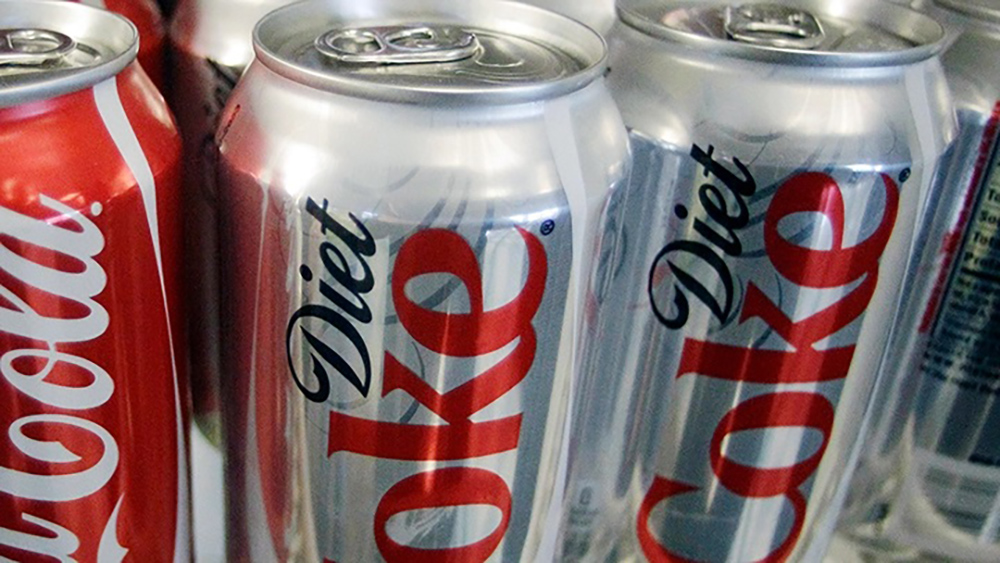
According to the findings, reported by VIN News on Sunday and detailed in ScienceAlert, individuals who drink just one can of a sugar-free beverage such as Cola Zero each day face a 38% greater risk of developing Type 2 diabetes. By comparison, those who consume regular sugary sodas face a 23% higher risk.
The comprehensive study adjusted for other health and lifestyle factors such as diet, physical activity, and body weight, suggesting that the elevated risk associated with diet drinks cannot be dismissed as simply a byproduct of obesity. Researchers believe that artificial sweeteners, commonly used in sugar-free beverages, may disrupt the body’s natural metabolic processes and alter gut health, setting the stage for the onset of diabetes.
The Monash research indicates that the health risks of diet drinks may stem from the artificial sweeteners they contain—compounds such as aspartame, sucralose, and acesulfame potassium. While marketed as “low-calorie” or “zero-sugar” alternatives to sugar, these sweeteners may in fact be altering the body’s internal chemistry in subtle but damaging ways.
According to the information provided in the VIN News report, scientists at Monash found that these artificial additives could disrupt the gut microbiome—the complex community of bacteria that plays a vital role in digestion, immunity, and metabolic regulation. By disturbing this delicate balance, artificial sweeteners may interfere with the body’s ability to process glucose efficiently, potentially leading to insulin resistance over time.
In addition, the researchers suggested that artificial sweeteners may impair metabolic signaling, confusing the body’s natural response to sweetness. When the brain senses something sweet, it anticipates incoming calories. But when artificial sweeteners deliver sweetness without calories, it can upset the body’s expectations, possibly leading to increased cravings, overeating, and hormonal imbalances.
The study’s authors concluded that even when controlling for other risk factors—such as physical activity levels, calorie intake, or pre-existing health conditions—the correlation between daily diet soda consumption and Type 2 diabetes remained statistically significant.
For years, beverage companies have marketed diet and sugar-free sodas as “better” alternatives to traditional sugary drinks, particularly for individuals seeking to lose weight or manage blood sugar levels. However, this new research suggests that these claims may be dangerously misleading.
As VIN News reported, the Monash team’s findings demonstrate that the risks associated with diet soda consumption are even greater than those linked to regular sugary beverages. While sugar-sweetened sodas clearly contribute to weight gain and metabolic disease, the artificial ingredients in sugar-free drinks may pose a unique, independent threat to long-term health.
This revelation calls into question the health advice often given to those at risk of diabetes. For decades, public health campaigns and medical professionals have encouraged people to swap out sugary sodas for their diet counterparts. Yet, according to this new evidence, doing so may simply exchange one risk for another.
The Monash researchers emphasized that their data should serve as a wake-up call for both consumers and policymakers. “Sugar-free” does not automatically mean “risk-free,” they warned. Instead, individuals should prioritize water as the safest and most effective beverage for daily hydration.
The Monash University study stands out for its extensive duration and scope. Over a span of 14 years, researchers tracked the beverage habits and health outcomes of thousands of participants, providing one of the most detailed looks yet at how long-term soda consumption—both regular and diet—affects metabolic health.
By following participants over more than a decade, the scientists were able to draw powerful conclusions about how consistent patterns of beverage intake correlate with disease development. This long-term approach helped eliminate short-term variables, allowing for a clearer picture of cause and effect.
Importantly, the study adjusted for numerous factors that might otherwise skew the results, including physical activity, overall diet quality, and weight fluctuations. Even after accounting for these variables, the link between artificially sweetened drinks and diabetes remained robust.
The data ultimately paints a troubling picture: consumers who believe they are making a healthier choice by opting for “diet” beverages may, in fact, be putting themselves at greater risk.
Health experts cited in the VIN News report say the study reinforces a growing consensus within the scientific community—namely, that water remains the best beverage for maintaining metabolic health and reducing the risk of chronic disease.
While some researchers note that further investigation is necessary to fully understand how artificial sweeteners affect the body, most agree that erring on the side of caution is wise. Limiting intake of both sugary and artificially sweetened drinks, they say, is one of the simplest and most effective steps individuals can take to lower their risk of developing Type 2 diabetes.
The findings also suggest that the beverage industry and public health authorities should reconsider how they label and promote diet products. Terms like “sugar-free,” “light,” or “zero-calorie” may mislead consumers into believing these drinks are harmless or even beneficial. The Monash study shows that this perception is dangerously outdated.
One of the most striking conclusions of the Monash study, as highlighted in the VIN News report, is that the elevated diabetes risk linked to diet soda consumption is not solely tied to weight gain. Even participants with normal body weight showed increased risk, suggesting that artificial sweeteners may directly influence metabolic pathways independent of obesity.
This finding upends a long-standing assumption that the primary danger of soda consumption lies in its caloric content. It also reinforces the idea that metabolic health is a complex interplay of biological systems—and that certain chemicals, even when calorie-free, can have profound and lasting effects on the body.
Ultimately, the Monash University study sends a clear and urgent message: there is no shortcut to health when it comes to beverage choices. Whether loaded with sugar or labeled as “zero,” sodas appear to carry significant risks for long-term metabolic health.
For those seeking to lower their risk of Type 2 diabetes, researchers suggest a simple solution—replace diet sodas with water. It is a small change, but one that could have a major impact over time.
As the VIN News report noted, this 14-year study is a powerful reminder that consumers should approach “healthier” marketing claims with skepticism. The promise of “zero sugar” may sound appealing—but when it comes to your health, it might be the most deceptive label of all.
