



|
Getting your Trinity Audio player ready...
|
By: Justin Winograd
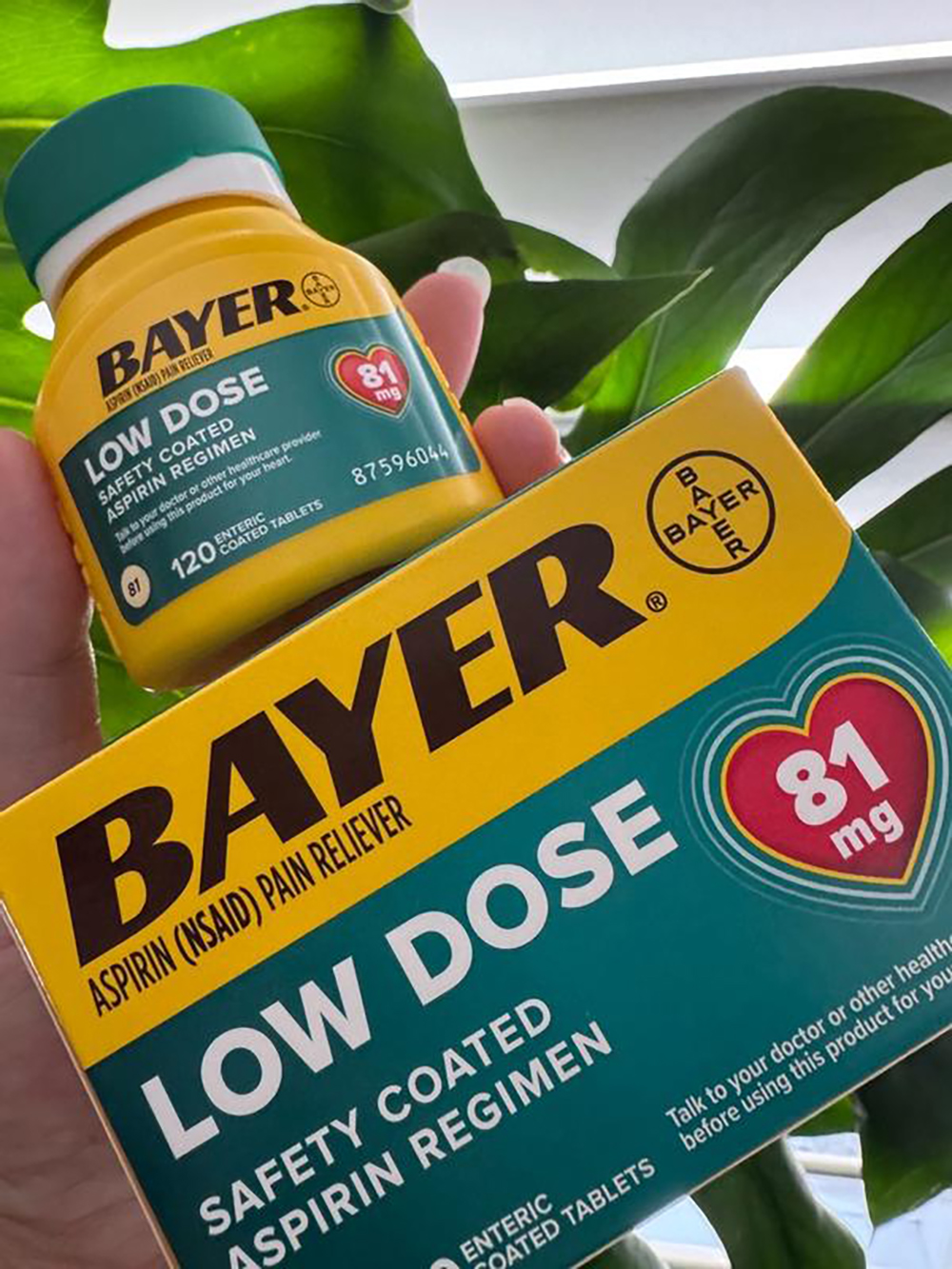
A humble over-the-counter drug—cheap, readily available, and long associated with pain relief and fever reduction—could hold the key to preventing one of the world’s most deadly cancers from returning. According to groundbreaking research led by scientists at Sweden’s Karolinska Institutet and Karolinska University Hospital, daily low-dose aspirin slashed the recurrence of colorectal cancer in half among patients whose tumors carried a particular genetic mutation.
As reported by Fox News Digital on Thursday, the findings, published in the New England Journal of Medicine, mark the first time randomized clinical trial data has confirmed what decades of observational studies have suggested: aspirin, a non-steroidal anti-inflammatory drug (NSAID), can serve as a potent anticancer therapy when precisely targeted.
“This is a landmark study,” said Dr. Anna Martling, M. D., Ph. D., professor at the Department of Molecular Medicine and Surgery at Karolinska Institutet and senior consultant surgeon at Karolinska University Hospital. Speaking to Fox News Digital, Martling explained that the trial, known as ALASCCA, “shows for the first time in a randomized setting that low-dose aspirin significantly reduces recurrence in colorectal cancer patients with somatic PI3K pathway alterations.”
She added, “This applies to more than one-third of all patients with resected colorectal cancer.”
The ALASCCA trial enrolled more than 3,500 colorectal cancer patients from 33 hospitals across Sweden, Norway, Denmark, and Finland. All participants had undergone surgery to remove their primary tumors. Among this population, researchers identified patients with mutations in the PI3K signaling pathway—a genetic alteration that accelerates cell growth and is found in approximately 30% of colon cancers and more than half of breast cancers.
As Fox News Digital reported, half of these patients were randomly assigned to receive a daily dose of 160 milligrams of aspirin, while the other half received a placebo. After three years of follow-up, the results were nothing short of striking: those on aspirin saw their risk of recurrence reduced by 55% compared to the placebo group.

Notably, the effect was even stronger in women, though Martling emphasized that further research is needed to understand the sex-based differences.
“This trial represents precision medicine at its best,” Martling told Fox News Digital. “We used modern high-technology platforms to identify relevant mutations, and then tested a simple, inexpensive drug to great effect.”
First synthesized in the late 19th century, aspirin has long been one of the most widely used medications in the world, relied upon to relieve pain, fever, and inflammation. In smaller doses, it is commonly prescribed to reduce the risk of heart attacks and strokes by preventing blood clots.
Now, this familiar medicine is poised to be repurposed for oncology. As the Fox News Digital report noted, aspirin’s anti-inflammatory properties appear to play a crucial role in preventing cancer recurrence, particularly in tumors with PI3K mutations.
“Aspirin is an anti-inflammatory and is involved with mitigating growth factors,” explained Dr. Marc Siegel, a Fox News senior medical analyst, in an interview with Fox News Digital. Though not involved in the trial, Siegel emphasized that “numerous studies have shown that regular use of NSAIDs have decreased the risk of developing and dying from colon cancer.”
Siegel highlighted the significance of the Scandinavian trial’s scale and rigor: “This large, randomized study reveals a greater than 50% reduction of recurrence in those with colon cancer and the PIK3 mutation.”
The PI3K pathway is a central regulator of cell growth and survival. When mutated, it drives aggressive tumor progression. According to the information provided in the Fox News Digital report, this mutation is present in roughly one-third of colorectal cancer patients, making the potential impact of aspirin therapy far-reaching.
Dr. Martling emphasized that testing for PI3K alterations should become standard practice in colorectal cancer patients after surgery. “Testing for PI3K pathway alterations should be considered in colorectal cancer patients after surgery,” she told Fox News Digital. “For patients, it is important to know that aspirin is not recommended outside of a medical context until guidelines and treating physicians adopt these findings.”
The implications of the trial extend well beyond Scandinavia. Colorectal cancer is the second leading cause of cancer-related deaths worldwide, claiming nearly one million lives each year. Recurrence rates remain stubbornly high, even after successful surgery and chemotherapy.
As Fox News Digital reported, the allure of aspirin lies in its accessibility. Unlike novel cancer drugs that can cost tens of thousands of dollars per patient annually, aspirin is inexpensive and globally available. “If broadly implemented, the regimen could prevent thousands of recurrences and save lives each year, especially in settings where access to expensive novel drugs is limited,” Martling said.
While the results are encouraging, the authors of the ALASCCA trial cautioned against over-interpretation. “As with any trial, there are caveats,” Martling acknowledged in her interview with Fox News Digital.
Among the limitations:
The study excluded patients over the age of 80, leaving questions about its applicability to older populations.
The trial was not powered to assess detailed subgroup differences beyond the PI3K mutation, meaning the stronger effect observed in women requires further research.
Longer follow-up is needed to determine whether the reduced recurrence translates into improved overall survival.
Moreover, aspirin is not without risks. Common side effects include gastrointestinal irritation, stomach ulcers, and increased bleeding tendencies. “Aspirin should not be used by people with stomach ulcers, bleeding disorders or asthma,” the researchers cautioned. Those already taking blood thinners or consuming alcohol regularly are advised to consult physicians before use.
As the Fox News Digital report emphasized, the findings are “immediately relevant” for clinicians and guideline committees, but they do not yet constitute a new standard of care.
The notion that aspirin could play a role in cancer prevention is not new. Over the past two decades, epidemiological studies have consistently suggested that long-term NSAID use lowers the risk of developing colorectal cancer. What makes the ALASCCA trial different, as the Fox News Digital report explained, is its randomized design—the gold standard for medical research—which eliminates many of the biases inherent in observational studies.
“This confirms what many have suspected,” Dr. Siegel told Fox News Digital. “But it’s the randomized structure that makes the evidence so compelling. We now have a solid foundation to explore aspirin as a targeted cancer therapy.”
One of the trial’s more intriguing findings was that women appeared to benefit more from aspirin therapy than men. While the study was not designed to definitively answer why, researchers speculate that hormonal factors, genetic differences, or variations in immune response may play a role.
“This warrants further investigation,” Martling stressed in her comments to Fox News Digital. If confirmed, the finding could influence how oncologists tailor treatment regimens by gender, adding another layer of personalization to cancer care.
The oncology community has greeted the trial results with cautious optimism. Many see it as a blueprint for how inexpensive, well-known drugs can be repurposed through precision medicine approaches.
“This is a strong example of marrying cutting-edge genomic testing with a widely available therapy,” Martling told Fox News Digital. “It’s about bringing high-technology platforms together with low-cost interventions.”
Dr. Siegel echoed this sentiment, telling Fox News Digital that aspirin should “be more commonly used for this than previously, but doctors need to analyze the risks and benefits of aspirin use on a case-by-case basis.”
The ALASCCA trial has set the stage for follow-up research. Longer-term studies will be needed to determine whether aspirin not only reduces recurrence but also improves overall survival rates. Researchers also hope to investigate whether aspirin could benefit patients with other cancers driven by PI3K mutations, such as breast cancer.
In the meantime, oncologists and guideline committees face the challenge of integrating these findings into practice. As Fox News Digital reported, clinicians are already considering how to incorporate routine PI3K testing into post-surgical care and whether to recommend aspirin prophylaxis to appropriate patients.
For patients, however, the message is one of caution. Self-prescribing aspirin without medical supervision could be dangerous, especially for those with risk factors for bleeding. “For patients, it is important to know that aspirin is not recommended outside of a medical context until guidelines and treating physicians adopt these findings,” Martling reiterated to Fox News Digital.
At a time when cancer treatments are increasingly associated with astronomical costs and complex biologics, the ALASCCA trial offers a refreshing reminder that sometimes the most powerful therapies can be found in the simplest of medicines.
As the Fox News Digital report indicated, the potential of aspirin to cut colorectal cancer recurrence in half represents a paradigm shift in oncology—one that combines cutting-edge genomic science with a 125-year-old drug available for just pennies per dose.
The research is far from definitive. More work must be done to confirm survival benefits, refine patient selection, and weigh risks. But for now, the trial has provided a beacon of hope: that an everyday medicine might prevent thousands of lives from being cut short by one of the world’s deadliest cancers.
“This could save lives,” Martling told Fox News Digital. “And it could do so in a way that is affordable, accessible, and immediately relevant across the globe.”