



|
Getting your Trinity Audio player ready...
|
By: Zena le Roux
Long ago, the ancient physician Galen noticed something important: When your mood changes, your appetite often changes, too. He thought appetite was related to “humors,” which were believed to influence health and appetite. Today, however, we know it’s brain chemicals like dopamine and serotonin.
When neurotransmitters are imbalanced, they can disrupt our internal rhythm, triggering constant snacking, unstable energy, and blood sugar highs and lows. Blood sugar swings can also disrupt neurotransmitter function, making cravings, mood swings, and fatigue worse.
“When we focus on foods with a low glycemic response, such as whole grains, beans, and vegetables, and limit high-glycemic foods like refined grains and added sugars, we can stabilize blood sugar and support brain chemicals,” said Whitney Linsenmeyer, a registered dietitian, in an interview with The Epoch Times.
Affect Appetite and Blood Sugar
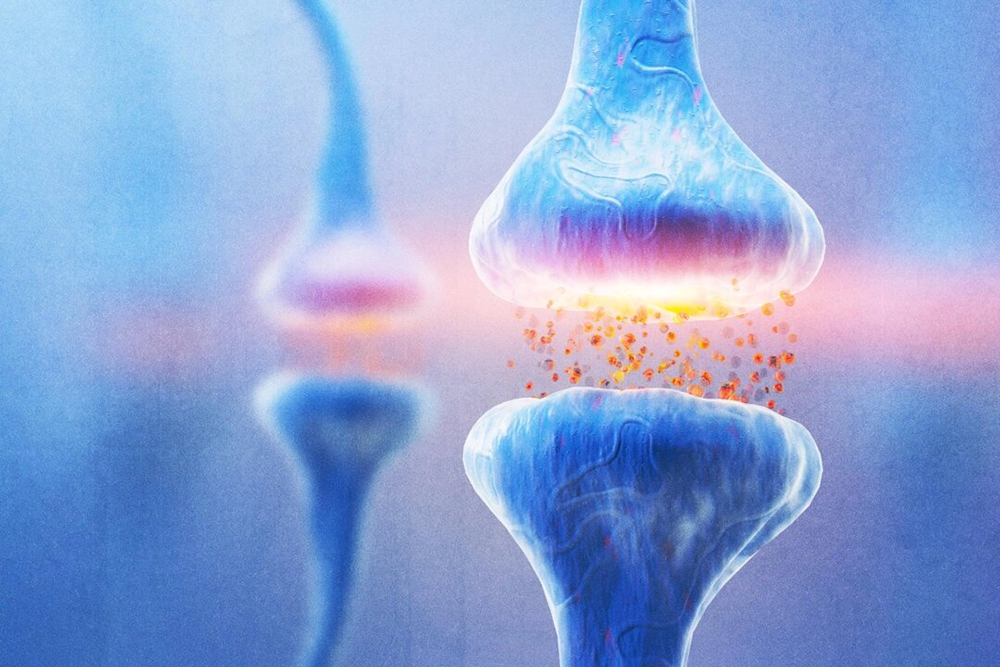
“Neurotransmitters, chemical messengers that allow brain cells to communicate—like serotonin, dopamine, and norepinephrine—are important for regulating appetite, cravings, and energy,” Mpho Tshukudu, an integrative and functional nutritionist, told The Epoch Times.
When neurotransmitters are balanced, people make healthy lifestyle choices, which support metabolic health and weight regulation, Tshukudu said.
On the other hand, neurotransmitter imbalance can contribute to emotional or binge eating and decreased physical activity.
At the center of this regulation lies the hypothalamus, a part of the brain that integrates signals from both the body and mind to control appetite, metabolism, and hormone activity. For the brain to do its job well, neurotransmitters must communicate clearly and efficiently, especially within neurons that govern hunger and fullness.
This process, called neurotransmission, is important for maintaining energy balance. In turn, blood sugar instability can further impair neurotransmitter function, creating a feedback loop that increases the risk of long-term metabolic issues.
Key neurotransmitters affect metabolic health in the following ways, according to Tshukudu:
Dopamine is linked to reward, motivation, and pleasure, so low levels can lead to sugar cravings, compulsive eating, and addictive behaviors. Adequate dopamine also plays a role in blood sugar control by making your body more sensitive to insulin.
Serotonin supports mood balance and satiety, with low levels associated with emotional eating and cravings for high-carb foods.
Norepinephrine is involved in alertness and helps regulate metabolism and energy expenditure. Low levels may cause fatigue and reduced motivation, which can disrupt both.
Disrupts the Mind
Just as neurotransmitters help regulate appetite, cravings, and blood sugar, the relationship goes both ways. Poor metabolic health, driven by blood sugar swings, insulin resistance, or highly processed diets, can in turn disrupt neurotransmitter signaling in the brain.
Sharp fluctuations in blood sugar—highs followed by crashes—can trigger symptoms like anxiety, brain fog, and poor concentration, Tshukudu said.
“Consistently high blood sugar over time can further damage memory and learning, drive brain inflammation, and increase the risk of cognitive decline and neurodegenerative disease,” she added.
In fact, older adults with diabetes have a higher risk of developing Alzheimer’s disease, suggesting a strong connection between diabetes and accelerated brain aging.
Restore Balance
To protect both brain and metabolic health, it’s important to take an integrated approach—supporting your gut, eating nutrient-dense foods, managing stress, and building daily habits that help keep both neurotransmitters and blood sugar levels steady.
Tshukudu recommended the following strategies to support neurotransmitter balance:
Nourish your gut: About 90 percent of serotonin is produced in the gut. A healthy microbiome helps regulate inflammation, improve insulin sensitivity, and support the production of neurotransmitters.
Eat a colorful, whole-food diet: Include omega-3-rich options such as oily fish, seaweed, walnuts, chia seeds, and flaxseeds. Prebiotic foods like oats, bananas, onions, beetroot, legumes, and spices help feed beneficial gut bacteria. Add fermented foods, such as kefir, yogurt, fermented vegetables, and sour milk, to further support your microbiome. Stay hydrated with plenty of water and unsweetened herbal teas.
Focus on neurotransmitter precursors: For serotonin production, include tryptophan-rich foods like soy, eggs, bananas, nuts, seeds, poultry, and milk. For dopamine, eat foods high in tyrosine, including sesame seeds, legumes, meat, fish, poultry, and eggs. Magnesium- and omega-3-rich foods offer additional support for neurotransmitter function.
Limit caffeine and alcohol, especially after 2 p.m.: They can interfere with sleep, neurotransmitter signaling, and glucose regulation.
Prioritize quality sleep: Aim for 7 to 9 hours a night. Poor sleep disrupts insulin sensitivity and neurotransmitter production.
Exercise regularly: Activities such as walking, dancing, strength training, and Pilates help boost dopamine and serotonin levels.
Manage stress: Mindful breathing, meditation, or time in nature can lower cortisol levels and support both glucose control and nervous system balance. Chronic stress, on the other hand, disrupts both insulin and neurotransmitter function.
For stable blood sugar, Tshukudu recommended pairing whole-food carbohydrates like fruit, legumes, root vegetables, and whole grains with protein, healthy fats, and fiber to slow glucose absorption and extend satiety. She further advised having meals or snacks every 3 to 4 hours to prevent blood sugar dips and to limit consumption of ultra-processed foods and sugary drinks.