



|
Getting your Trinity Audio player ready...
|
By: Alan Mozes
Highly processed packaged foods and drinks may be quick, cheap and tasty, but new research suggests they’re also likely to up your risk for depression.
Among big consumers of ultra-processed foods, depression risk may rise by as much as 50%, the new study found, particularly when those foods are artificially sweetened.
“Given what we know about these foods and the important role of diet in mood, we were not surprised to find this association,” said study author Dr. Andrew Chan, vice chair of gastroenterology at Massachusetts General Hospital, and a professor of medicine at Harvard Medical School.
At issue, he said, are foods that are “highly altered, often through industrial processes such as hydrogenation.”
Hydrogenation is a chemical manufacturing process that significantly increases the amount of trans fat found in foods. Researchers have repeatedly linked trans fat intake to an increased risk for heart disease.
The study looked at “ultra-processed” grain foods, sweet snacks, ready-to-eat meals, desserts, sauces, processed dairy products, savory snacks, processed meat, beverages, and/or artificial sweeteners.
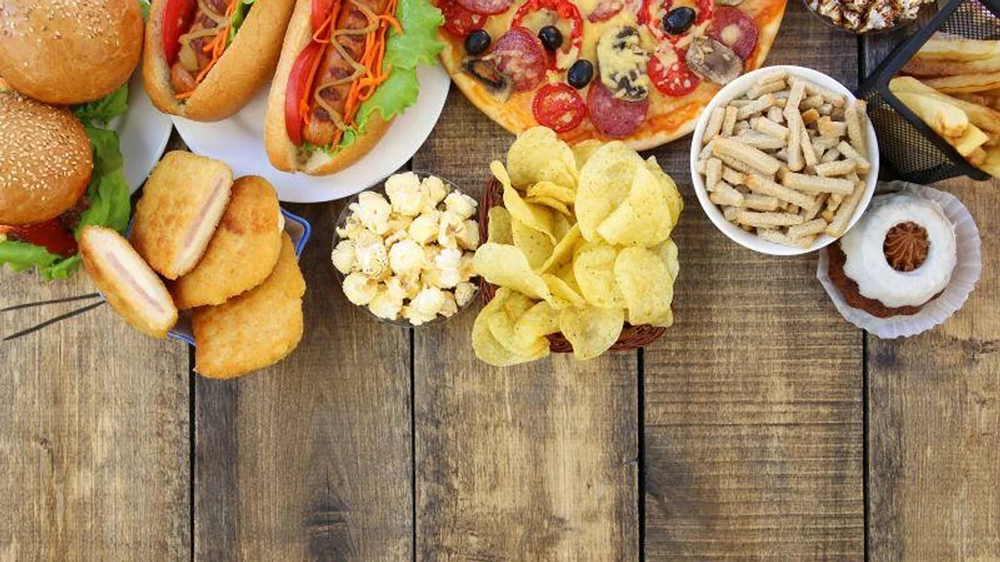
Such foods, Chan added, also “often contain additives such as dyes, stabilizers and emulsifiers. Examples include most so-called ‘fast food,’ cookies and chips.”
In light of other research indicating that diet influences depression risk, Chan and his colleagues specifically set out to see what impact processed foods might have on depression risk.
They looked at nearly 32,000 middle-aged women who participated in the Nurses’ Health Study II between 2003 and 2017. All were deemed to be depression-free at the outset. Ninety-five percent of participants were white women between 42 and 62 years of age.
By the end of the study, just over 2,100 women were diagnosed with depression, a figure that more than doubled when using a less strict screening standard.
Women whose consumption of ultra-processed foods ranked them in the top 20% also appeared to face a 50% higher risk for depression, the study found.
Chan noted that people with depression might gravitate to highly processed foods, though he said the study’s design makes it “less likely that our findings are due to depression itself leading people to make different food choices.”
While the study found a link between highly processed foods and depression, it does not prove cause and effect, however.
Only artificial sweetener content — whether found in food or beverages — was associated with the higher risk for depression.
“The more servings processed food eaten per day, the greater the risk of depression,” Chan said.
But those who cut their intake of ultra-processed foods by at least three servings per day over four years seemed to lower their risk for depression, the study found.
As to how such foods might add to depression risk, the team said the precise mechanism remains unclear.
However, Chan noted that “ultra-processed foods have been linked to chronic inflammation, which in turns leads to multiple potential adverse health effects, including depression.”
Ultra-processed foods are also known to disrupt microbes in the gut, he noted, adding that these “have been linked with mood through their role in metabolizing and producing proteins that have activity in the brain.”
Chan’s advice: “Given this potential association between ultra-processed foods and multiple adverse health conditions, wherever possible, individuals may wish to limit their intake of such foods. This may be a lifestyle change that could have important benefits, particularly for those who struggle with mental health.”