



|
Getting your Trinity Audio player ready...
|
By: Carl Schwartzbaum
In a country defined by scientific innovation, medical advancement, and some of the world’s most sophisticated healthcare institutions, the most formidable threats to American life remain stubbornly familiar. New mortality data released by The Centers for Disease Control (CDC) for the year 2025 reveal a sobering portrait of a nation whose greatest killers have hardly changed in decades, even as medical technology continues to leap forward.
Heart disease, long known as the nation’s most relentless adversary, once again claimed the top position as the leading cause of death in the United States, responsible for 683,037 fatalities. Despite ongoing public health campaigns, advances in cardiac treatment, and unprecedented access to information, the American heart remains an especially vulnerable organ in the national body.
According to The Centers for Disease Control (CDC), heart disease’s devastating toll significantly exceeds even the immense burden of cancer, which accounted for 619,812 deaths last year. The agency’s epidemiologists note that although improvements in detection and treatment have steadily reduced mortality in certain cancer categories, the disease remains a profound driver of national morbidity.
Lung cancer in particular continues to eclipse all other malignancies in lethality, a fact that underscores the deeply entrenched nature of the country’s smoking legacy and environmental risk exposures. Researchers at the CDC point out that colorectal and pancreatic cancers also constitute major contributors to this category, reflecting a complex interplay of genetic predisposition, lifestyle, and often-late detection.
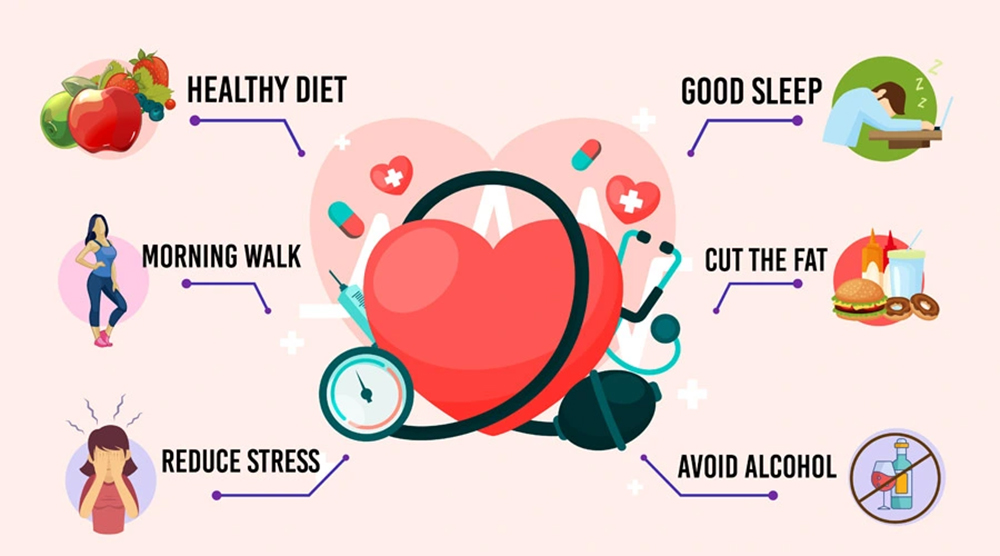
Yet heart disease stands apart in both scale and stubborn persistence. While the CDC’s data illuminate progress in various subfields of medicine, the numbers reveal an undeniable truth: cardiovascular disease continues to outpace all other threats, commanding nearly 700,000 American lives annually. Public health officials emphasize that many of these deaths could theoretically be prevented or delayed through early intervention, behavioral change, and better health education. However, as the CDC repeatedly stresses, the prevalence of hypertension, obesity, diabetes, sedentary lifestyles, and inadequate access to preventive care continue to place millions at heightened risk.
What emerges from the CDC’s data is not only a statistical ledger but a portrait of a society grappling with a multifaceted health landscape. Unintentional injuries, cited by the CDC as the third leading cause of death, accounted for 196,488 lives lost. These encompass everything from motor-vehicle accidents to drug overdoses, with the latter heavily influenced by the ongoing opioid crisis. Public health authorities have long warned that such deaths are not merely accidental but systemic in origin, reflecting failures in mental-health infrastructure, addiction treatment availability, transportation safety, and socioeconomic stability.
Stroke, another major cardiovascular event, remains a powerful contributor to American mortality. Responsible for 166,783 deaths, strokes continue to challenge public health systems because they straddle the border between preventable disease and sudden catastrophe. As the CDC frequently reports, stroke shares many of the same risk factors as heart disease, including high blood pressure, high cholesterol, smoking, obesity, and diabetes. This linkage forms what the CDC describes as a vast cardiometabolic ecosystem—one in which multiple conditions feed off one another, exponentially increasing an individual’s risk of death.
Chronic lower respiratory diseases follow closely behind, claiming 145,612 lives in 2025. The CDC notes that these conditions—most commonly chronic obstructive pulmonary disease, bronchitis, and emphysema—are closely tied to long-term smoking but are also exacerbated by environmental pollutants that disproportionately affect certain communities. The persistence of respiratory illness mortality highlights a broader national challenge: the uneven distribution of environmental hazards and healthcare resources, which the CDC has repeatedly emphasized in its surveillance reports on population health.
The burden of Alzheimer’s disease, which caused 116,016 deaths last year, reflects both an aging society and the growing visibility of neurodegenerative illness. The CDC’s national center devoted to chronic disease prevention has underscored the seismic implications of America’s demographic shift, warning that Alzheimer’s and other dementias will continue to rise sharply as life expectancy increases. The disease’s mortality footprint underscores the profound human and economic toll exacted by conditions for which no cure currently exists.
Diabetes, responsible for 94,382 deaths according to the CDC, remains another critical component of the nation’s chronic disease profile. Despite improvements in treatment and monitoring technologies, diabetes mortality remains disproportionately high in lower-income communities and among racial and ethnic minorities. Public health specialists at the CDC frequently point to diet, access to preventive care, and educational disparities as key drivers of this trend.
Kidney disease and chronic liver disease—along with cirrhosis—also assert a serious presence in the CDC’s mortality records. Kidney disease claimed 55,070 lives in 2025, while chronic liver conditions accounted for 52,259 deaths, frequently tied to alcohol use, metabolic dysfunction, hepatitis infections, and in some cases, genetic disorders. These mortality figures reflect the expanding footprint of metabolic syndrome across the American population, a phenomenon that the CDC has described as a looming national crisis with implications for every organ system.
Perhaps most haunting among the CDC’s data is the suicide rate, which claimed 48,683 American lives last year. This figure represents not only the culmination of widespread mental-health distress but also the continuing fragmentation of the nation’s psychological support infrastructure. The CDC has repeatedly warned that suicide is a complex, multifactorial phenomenon influenced by economic instability, trauma, mental illness, social isolation, and limited access to timely care. The agency’s researchers have emphasized that suicide rarely emerges from a single cause, instead arising from a deterioration of protective factors coupled with escalating personal crisis.
Taken together, the ten leading causes of death—heart disease, cancer, unintentional injuries, stroke, chronic respiratory disease, Alzheimer’s, diabetes, kidney disease, chronic liver disease, and suicide—account for roughly 70 percent of all American deaths. The CDC stresses that this concentration is not merely a statistical feature but a warning sign, suggesting that the nation’s health landscape is dominated by preventable or modifiable conditions.
The CDC’s findings reveal a healthcare system caught in a paradox: one of the most technologically advanced nations in history continues to lose hundreds of thousands of people each year to conditions that medical science already understands and, in many cases, knows how to prevent. Heart disease’s unyielding supremacy underscores this contradiction most powerfully. Despite a century of public health progress, cardiovascular illness remains America’s most persistent killer, thriving in the space between scientific knowledge and behavioral reality.
As the CDC prepares future recommendations and policymakers debate the proper allocation of healthcare resources, the data serve as an unambiguous call to action. The nation’s most lethal threats are not obscured by mystery, nor hidden in genetic code or exotic pathogens. They reside in the lived environment, shaped by diet, stress, access to care, environmental exposures, lifestyle choices, and socio-economic forces. The challenge now, as the CDC continually emphasizes, is not merely to treat disease but to transform the conditions that allow it to flourish.
The agency’s 2025 mortality report does more than quantify loss; it provides a roadmap for national renewal. If the United States can summon the political will, economic investment, and cultural resolve to confront these longstanding killers, future CDC reports may finally tell a different story—a story not merely of death counted, but death prevented.