



By: Emma Suttie
With the present shortages of over-the-counter medicines for coughs, colds, and flu, this seems like the perfect time to talk about natural remedies. These can be helpful when we either don’t have medications on hand, or simply want a more natural approach to dealing with common illnesses. Natural medicines are beneficial as they are non-toxic and support our body’s own healing process. If used at the first sign of illness, many can shorten its severity and duration. Here are some natural approaches—many used by cultures worldwide for centuries—to help get you back into tip-top shape.
Treatments for Fever
Fevers are our bodies’ natural reaction to infection. A fever is part of a healthy immune response and communicates that we are mounting an appropriate defense against an unwanted invader. As parents, it is always difficult seeing our children sick, and it is our instinct to do whatever we can to make them feel better.
In the case of fevers, unless they are very high, it can be beneficial to let the fever do the work of fighting the infection. Fevers slow down pathogens and their replication; therefore, a fever slows down the spread and severity of an illness.
If a fever gets too high (104+), it’s a good idea to get it down. This is the work of many drugs, but this can also usually be achieved with a lukewarm or cool bath. Eating will also usually bring a fever down slightly if you or your little one feel up to it. Very high fevers burn fluids and increase the risk of dehydration. Make sure to drink plenty of clear liquids, and children can have water or diluted fruit juice for hydration and to keep blood sugar within normal range. Fevers also deplete vitamin A, so be sure to supplement with vitamin A-rich foods (like fish oils, kale, spinach, broccoli, milk, and eggs) after a bout with a fever.
Yarrow (Achillea millefolium)
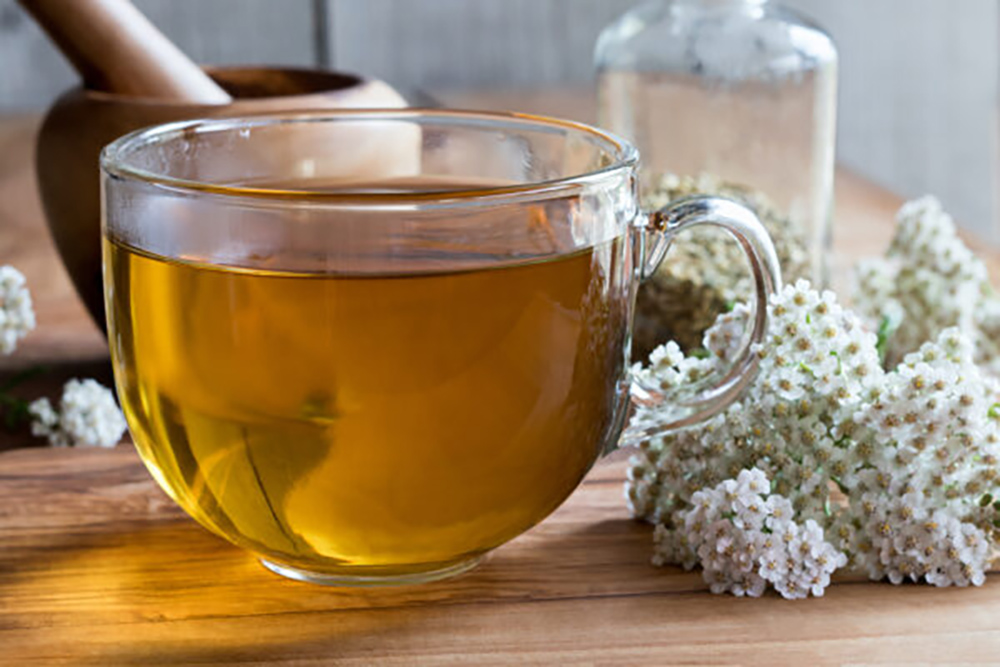
Yarrow is a common herb and is well known for its ability to bring down a fever. It is considered a diaphoretic herb, meaning it makes you sweat, helping the body eliminate toxins through the skin and urine. Yarrow also purifies and moves the blood, treats urinary infections, and heals wounds.
In a comparative study in the Pakistan Journal of Pharmaceutical Studies, yarrow demonstrated the ability to significantly reduce fevers in animal models.
A research review published in Current Pharmaceutical Design in 2008 discussed the traditional use of yarrow for this purpose. “The genus Achillea consists of about 140 perennial herbs native to the Northern hemisphere. Traditional indications of their use include digestive problems, liver and gall-bladder conditions, menstrual irregularities, cramps, fever, wound healing,” it noted.
A review on the biological activities of yarrow published in the Journal Current Pharmaceutical Design, mentions yarrow’s analgesic, anti-ulcer, choleretic (which stimulate the production of bile by the liver), liver protecting and wound healing abilities and that data has accumulated demonstrating its antioxidant and anti-inflammatory effects.
Yarrow regulates blood flow to the entire body and, with its ability to induce sweating, helps regulate body temperature and fluids—eliminating heat and toxins and reducing a fever.
The dried herb can be bought online and at some health food shops. Always try to buy organic when possible to avoid pesticides and other chemicals.
For fevers, drink yarrow tea (instructions below) or add 8 cups of yarrow tea to a hot bath.
Yarrow Tea
For tea, pour 1 cup of boiling water over 1 to 2 teaspoonfuls of the dried herb and leave to infuse for 10 to 15 minutes. Drink this tea three times a day. For a fever, drink the tea hot hourly.
Ginger (Zingiber officinale)
Ginger is warming in nature and induces sweating, helping treat fevers and eliminate toxins. It is also used as a stimulant for problems with circulation and to soothe digestive issues.
The results of one clinical trial, published in Phytotherapy Research in November, 2022, found a combination of four plants commonly used in Ayurvedic medicine (ashwagandha, boswellia, ginger and turmeric) was effective on hospitalized moderate COVID-19 patients who received it, along with standard care.
The mixture, dubbed BV-4051 by the researcher, had noted effects.
“In BV-4051 group the mean reduction in duration of illness (p = 0.036), alleviation and severity scores of several symptoms like fever, cough, smell, and taste disorders were statistically significant,” they wrote.
A research review published in Phytomedicine: International Journal of Phytotherapy and Phytopharmacology, in 2005 summarized previous research on the herb using animal models.
“Animal studies demonstrate effects on the gastrointestinal tract, the cardiovascular system, on experimental pain and fever, antioxidative, antilipidemic and antitumor effects, as well as central and other effects,” wrote the researchers.
In Chinese medicine, fresh ginger is called sheng jiang. It is a warming herb used to induce sweating, disperse cold, benefit a cough, and alleviate nausea and vomiting.
Ginger Tea
Cut a slice or two of fresh ginger root, put it into a pot of water, and bring to a boil. Then drink as a tea. Add lemon (high in vitamin C) or honey to taste. The tea will help to induce sweating, bring down a fever, soothe any digestive upsets, and help a cough. Hot ginger tea taken at the first sign of a cold or flu can help the body build resistance and avoid infection.
Boneset (Eupatorium perfoliatum)
Boneset is an excellent herb to treat fevers and is a great choice for colds, the flu, and respiratory infections. It can be used for phlegm, as it discourages its production and helps eliminate it from the body. Boneset also fights bacterial and viral infections and makes you sweat, helping reduce a fever. Boneset will also help ease the aches and pains associated with the flu and helps clear the body of any build-up of toxins through the bowels.
“E. perfoliatum extract has marked antiviral activity,” notes a study published in Journal of ethnopharmacology in January 2022. The researchers were studying the effects of the plant in vivo for treatment of dengue virus.
Boneset Tea
The dried herb can be bought at most health food shops and made into a tea. Pour a cup of boiling water over 1-2 teaspoonfuls of the dried herb and leave for 10-15 minutes. It should be drunk as hot as possible. For treatment of fevers or flu, drink every half hour.
*Boneset should not be used by pregnant women or young children and is not recommended for long-term use.
Lukewarm Baths
If a fever gets above 103, it’s a good idea to bring it down. This can usually be achieved by getting into a lukewarm or cool bath. Although this is not comfortable initially, it will temporarily lower your body temperature and reduce a fever if it gets too high. If a bath sounds too drastic, you can take a face cloth soaked in cold water and hold it up to the creases in your elbows and behind your knees to help gently reduce body temperature. Remember to keep hydrated with water, clear liquids, or diluted fruit juice.