



|
Getting your Trinity Audio player ready...
|
Edited by: TJVNews.com
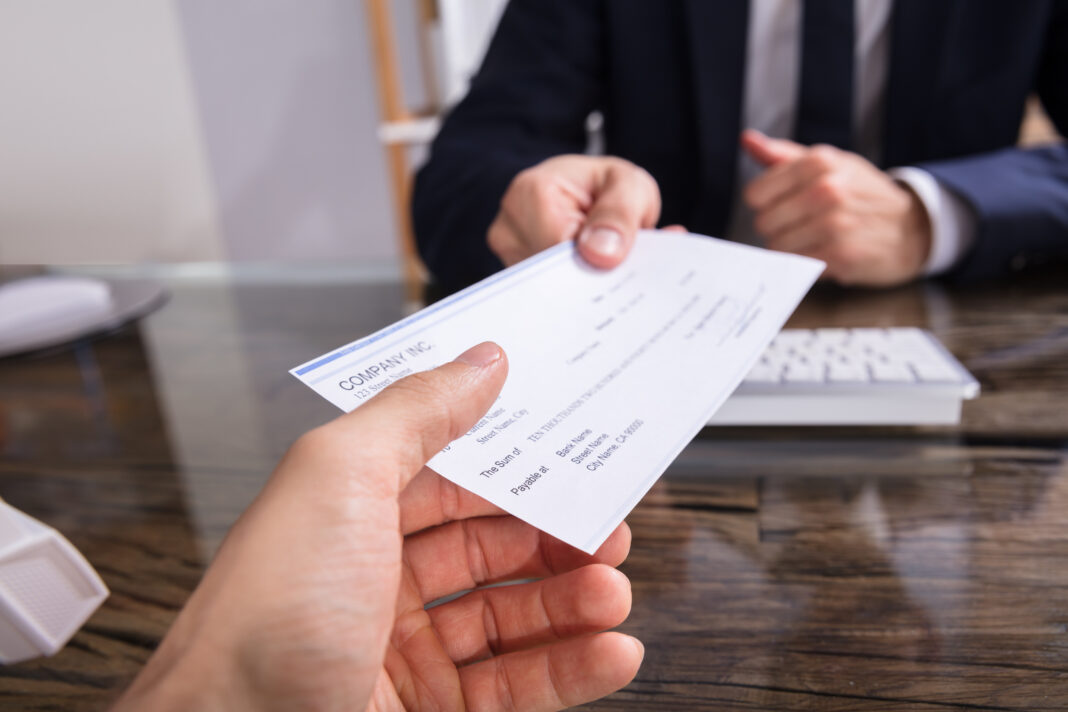
In an era where digital transactions dominate, the enduring presence of paper checks comes with its own set of challenges, especially the rising threat of check fraud and mail theft. In response to these concerns, individuals are exploring various strategies to safeguard their financial transactions, as was reported by the New York Times. Despite a significant decline in the number of checks written annually, amounting to 11.2 billion in 2021 compared to 42 billion at the turn of the century, check fraud has emerged as a growing concern for both consumers and financial institutions.
For various reasons, Americans continue to rely on paper checks, whether it be for paying rent, avoiding credit card fees, or for cultural and psychological reasons, according to the NYT report. The tactile act of writing a check in an increasingly cashless society holds a certain appeal. In the face of digital payment methods like Venmo and Zelle gaining popularity, checks endure as a tangible and familiar means of conducting transactions.
As the prevalence of check fraud rises, it becomes imperative for check writers to adopt safe practices. Returning to the basics can make a significant difference. When filling out a check, it is essential to use the entire line for the payee’s name, preventing the addition of unauthorized information, as was noted in the NYT. The same principle applies when writing the amount in both words and numbers. Consistent signature placement is also crucial, as erratic handwriting may trigger investigations that could temporarily freeze your financial accounts.
One should exercise caution when writing a check to “cash,” as it becomes a bearer instrument, allowing anyone to use it, the NYT reported. This practice is best avoided unless absolutely necessary.
The choice of pen matters significantly in preventing check fraud. Thieves often steal checks from the mail and “wash” the ink off, leaving the signature intact. The NYT report pointed out that gel pens are considered the safest option due to their ink penetrating the paper fibers, making it more difficult to wash compared to ballpoint pens. Karen Boyer, a check fraud expert, recommends gel pens as a reliable choice for safeguarding against this type of fraud, as was indicated in the NYT report.
Not all banks offer the same level of protection against check fraud, but some go the extra mile. For instance, Capital One contacts customers via text, email, or phone when it identifies an “unusual check,” according to information provided in the NYT report. Similarly, Bank of America reaches out to customers in the event of an out-of-character check. Customers can also set up alerts through mobile banking apps to receive notifications about check transactions.
Many readers have suggested a practical strategy for those who regularly write personal checks – maintaining a separate account exclusively for check transactions, as per the NYT report. This approach can help mitigate potential losses in the event of check fraud.
Speaking to the Times, Richard Stutman of Boston exemplifies this strategy by holding two checking accounts: one for direct deposits and online banking, and another with a minimal balance solely dedicated to covering checks that cannot be avoided. This precautionary measure provides peace of mind, ensuring that the financial exposure is limited, even if a check is compromised.
The security of mailing checks has become a pressing concern, given the increasing sophistication of thieves. The USPS emphasizes that depositing mail inside the local post office or handing it directly to a postal carrier is the safest method, according to the NYT report. For important or substantial payments, opting for additional security measures such as certified mail or signature confirmation upon delivery is recommended. However, one crucial piece of advice is to avoid raising the flag on residential mailboxes, signaling to potential thieves that valuable checks might be inside, the report indicated. Regularly emptying the mailbox and avoiding leaving mail overnight can help minimize the risk of theft.
Acknowledging the surge in postal crimes, the USPS, in collaboration with the U.S. Postal Inspection Service, launched a campaign in May to crack down on offenses targeting letter carriers, as was reported by the NYT. This initiative has resulted in over 630 arrests for robberies and mail theft. To enhance the security of mailboxes, USPS has introduced new features, such as smaller slots, making it more challenging for criminals to fish out mail, according to information in the NYT report. Electronic locks are replacing traditional arrow locks, which were vulnerable to theft, as the keys to these locks had become sought-after items for criminals targeting mail carriers.
In the unfortunate event that a check is stolen from the mail, the USPS urges individuals to report the theft promptly. This can be done by submitting an online complaint at www.uspis.gov/report or calling 877-876-2455. The NYT report said that reporting the theft ensures that appropriate action can be taken to investigate and mitigate the potential impact on the individual’s financial well-being.
The question of whether to take pictures of checks before mailing them arises in the context of check theft and fraud. While it might not be foolproof, keeping original images of checks can potentially aid in investigations should the need arise, as per the NYT report. Victims of check theft often discover fraudulent activities in their online banking registers. However, it’s crucial to ensure that these images are stored securely to prevent potential theft from your phone.
When depositing checks remotely using a bank’s mobile app, individuals should endorse or sign the back of the check just before depositing it. Adding the phrase “for mobile deposit only” below the signature further enhances security. The Times report also said that some banks may provide a checkbox specifically for remote deposits, ensuring that the process is streamlined and secure.
While banks strongly advocate for their online bill-payment platforms over paper checks due to enhanced security, the approach may vary by institution. Online systems are secure, especially when dealing with known payees who can receive electronic payments directly. However, some banks may resort to sending paper checks for unknown payees, potentially exposing account information, the NYT report said. Certain banks, like Chase, have implemented measures to send checks without account details, providing an additional layer of security. Individuals are encouraged to inquire about their bank’s specific practices in this regard.
Crossing out account numbers at the bottom of checks is strongly discouraged, as these details are essential for deducting funds and identifying the account. Altering this information may raise red flags and render the check unreadable. For those who prioritize safeguarding account information, online bill payments are suggested as a secure alternative.
When making payments to charities or organizations that charge fees for credit card transactions, direct bank transfers are generally the most cost-effective option. However, it’s essential to ensure that the transaction is directed to a verified charity account to receive a tax receipt. While platforms like Venmo are becoming viable alternatives, caution is advised, with donors urged to avoid sending funds to personal accounts and ensuring transactions are routed to legitimate charity accounts, the NYT report mentioned. Using a credit card provides an additional layer of protection, allowing donors to file complaints and potentially retrieve funds in case of scams or red flags associated with the charity.
In an era dominated by digital transactions, the act of sending a monetary gift via Venmo or Zelle is efficient but may lack the personal touch associated with traditional methods. While these platforms offer convenience, some individuals find the process to be overly transactional, the NYT report said. However, writing a check remains a tangible and personal alternative. By handing the check directly to the recipient, the risks associated with snail mail are circumvented, ensuring a more secure delivery.
Couples often opt for cash gifts, earmarked for specific purposes such as a honeymoon or a down payment on a home. While this trend is common, it’s essential to be aware of potential fees associated with certain gift payments. The NYT report noted that some couples may register for “cash” gifts through platforms like Zola, with the advantage of avoiding fees when gift givers use Venmo to fulfill their contributions. Understanding the payment methods and associated costs ensures a smoother gift-giving experience for both parties involved.
For businesses engaged in regular check-writing activities, banks typically offer a range of check-protection services to enhance security. One notable service is known as “positive pay,” a system that compares the checks issued by businesses with those presented for cashing, the Times report added. If any discrepancies arise due to alterations or fraud, the system can identify the issue before the check is cashed, preventing potential financial losses.
Similar protection services extend to Automated Clearing House (ACH) transactions, where funds are directly debited from a business bank account. These safeguards aim to detect irregularities and potential fraud in real-time, offering an added layer of security for businesses conducting financial transactions through checks or ACH.
As the financial landscape continues to evolve, individuals and businesses alike must navigate the myriad options available for monetary transactions, particularly in the realm of gift-giving and regular check-writing activities. Whether opting for the efficiency of digital platforms, the personal touch of traditional checks, or implementing advanced protection services for businesses, understanding the nuances of each method is crucial. By staying informed, individuals and businesses can make informed decisions that prioritize both security and convenience in their financial dealings.