



|
Getting your Trinity Audio player ready...
|
The U.S. Department of Justice (DOJ) has requested the U.S. Supreme Court to halt Purdue Pharma’s bankruptcy settlement, which aims to protect the Sackler family owners from facing lawsuits. An appeals court had previously rejected a proposed delay, allowing Purdue to proceed with the bankruptcy plan that had been approved in May. Under this plan, Purdue’s owners would be shielded from opioid lawsuits by contributing $6 billion to the company’s broader bankruptcy settlement, Reuters reported
The DOJ’s bankruptcy watchdog, the Office of the U.S. Trustee, argued that Purdue should not be allowed to move forward with its restructuring until the Supreme Court addresses the issue of legal protections for non-bankrupt entities. This issue has divided bankruptcy courts across the country. The U.S. Trustee contended that Purdue’s settlement was an abuse of bankruptcy protections meant for entities in “financial distress” and not for the Sacklers, who had withdrawn $11 billion from Purdue before agreeing to contribute $6 billion to the opioid settlement. The U.S. Trustee expressed concern that approving Purdue’s bankruptcy plan could set a precedent for wealthy corporations and individuals to misuse the bankruptcy system.
The Sackler family members denied any wrongdoing but expressed regret that their painkiller OxyContin had “unexpectedly become part of an opioid crisis.” They asserted that the bankruptcy settlement would provide substantial resources for those in need. The Supreme Court has set a deadline of August 4 for Purdue to respond to the DOJ’s request.
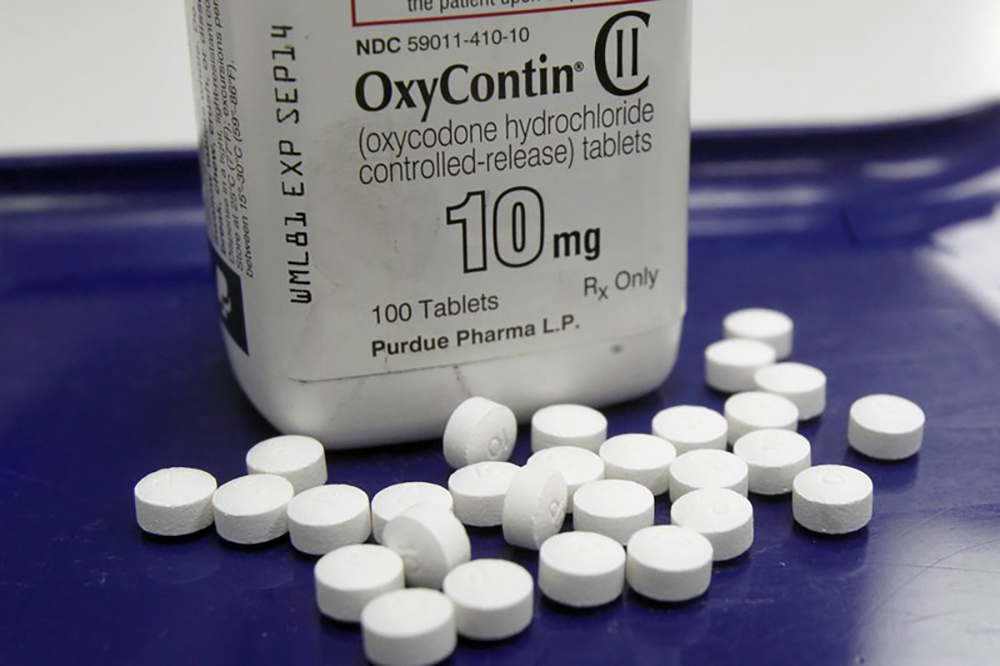
Purdue Pharma had filed for bankruptcy as a means to address thousands of lawsuits, mainly filed by state and local governments, alleging that OxyContin played a significant role in starting the opioid epidemic, resulting in over 500,000 overdose deaths in the U.S. over two decades.
Purdue argued that the DOJ’s proposed delay would hinder the company from providing billions of dollars to U.S. states and individual victims of the opioid crisis. The lawsuits against Purdue and the Sacklers claim that the drugmaker had misled doctors about the addictive nature of OxyContin, leading many patients to become addicted to opioids. Other lawsuits related to the U.S. opioid crisis have resulted in settlements amounting to more than $50 billion with manufacturers, drug distributors, and pharmacy chains
