



|
Getting your Trinity Audio player ready...
|
By: Andrew Carlson
The rise of Beyond Meat was once heralded as nothing short of revolutionary—a moment when Silicon Valley-style disruption collided with the global food industry, promising a more sustainable, ethical, and environmentally responsible future of dining. Yet, as VIN News has reported, the company that once embodied the plant-based meat movement is now preparing to seek Chapter 11 bankruptcy protection, marking a dramatic reversal of fortune for a firm once valued in the billions.
When Beyond Meat went public in May 2019, its Initial Public Offering (IPO) was one of the most successful of the decade. Shares surged nearly 160% on their first day of trading, briefly giving the company a market capitalization of nearly $14 billion. For a brief moment, it seemed as though the Los Angeles-based start-up had tapped into a cultural zeitgeist—a potent mixture of climate activism, health consciousness, and ethical consumption that would reshape the global food system.
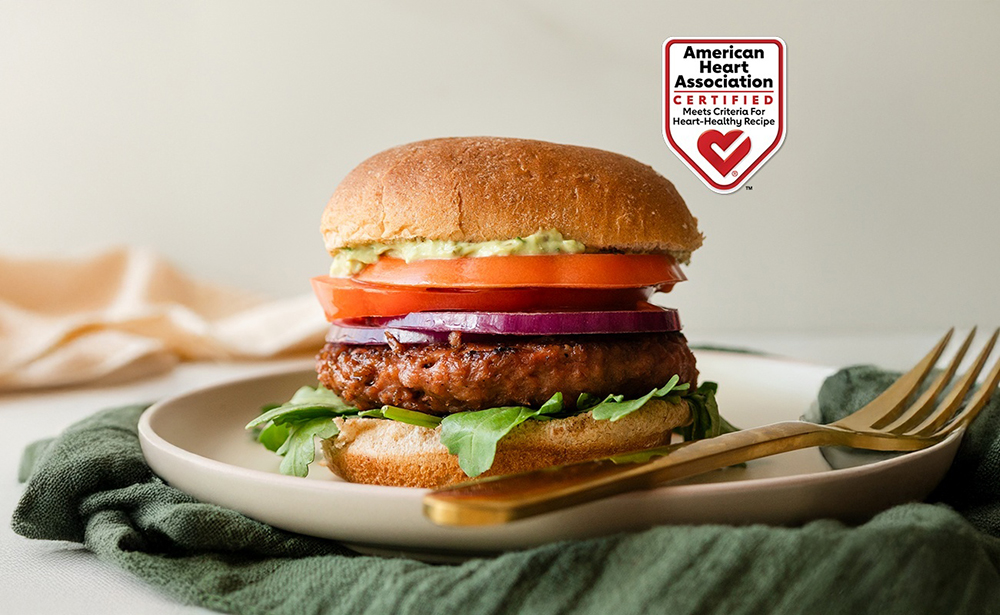
Beyond Meat positioned itself not simply as a food company but as a technological innovator, employing pea protein, beet juice, and proprietary blending methods to replicate the taste, texture, and even the “sizzle” of beef. The company’s flagship Beyond Burger became a symbol of the new era of “clean eating” and was stocked not only in supermarkets but also in partnerships with fast-food chains, from Burger King to Dunkin’ Donuts.
However, the promise of disruption would prove to be far easier to market than to sustain.
By 2021, even as the broader plant-based category was expanding, Beyond Meat began showing signs of distress. Competitors flooded the market, from Impossible Foods—a direct rival with aggressive distribution partnerships—to major grocery and meat companies such as Tyson Foods, Nestlé, and Kellogg’s, all of whom launched their own meat alternatives.
According to data highlighted by VIN News, the overall plant-based meat market grew substantially—from roughly $939 million in U.S. sales in 2019 to an estimated $3.4 billion by 2024. But Beyond Meat itself saw sales stagnate and, eventually, contract.
The problem, analysts say, is that Beyond Meat lacked the protective moat that insulates many innovative firms. Its formulas were not covered by defensible intellectual property in a meaningful way, leaving the door wide open for competitors to create lookalike products. As VIN News reported, Beyond Meat found itself “squeezed out of its own category,” unable to leverage brand recognition into sustainable dominance.
The financial results have been stark. In its second-quarter earnings this year, Beyond Meat reported a nearly 20% year-over-year drop in sales, with both U.S. retail and international foodservice segments showing steep declines. CEO Ethan Brown admitted publicly to “ongoing softness” in demand, a phrase that has become synonymous with the company’s struggle to find footing in a sector it once defined.
Margins have evaporated. With plant-based proteins now widely available at lower price points, Beyond Meat has been unable to command the premium it once enjoyed. Meanwhile, production costs remain high, as the company continues to invest in research and marketing while losing the volume advantage enjoyed by larger, more diversified rivals.
Analysts increasingly see Chapter 11 bankruptcy as not merely a possibility but an inevitability, designed to give Beyond Meat an opportunity to restructure its debt obligations and attempt a slimmed-down relaunch.
The potential collapse of Beyond Meat offers a cautionary tale about the limits of first-mover advantage. Being the pioneer in a new market often carries risks as well as rewards. Beyond Meat successfully demonstrated that plant-based proteins could be mainstream products, breaking through consumer skepticism and reshaping grocery store aisles.
But in doing so, it created the very conditions for competitors to thrive. Major food conglomerates, armed with deep distribution networks, research budgets, and established brand loyalty, quickly outflanked Beyond Meat.
“Beyond Meat was Silicon Valley optimism applied to food,” one analyst told VIN News. “But food is not software. You cannot defend your lead without taste superiority, price competitiveness, or proprietary technology. Beyond Meat had none of those advantages once the market caught up.”
Beyond Meat’s difficulties also stem from evolving consumer behavior. While the early adopters of plant-based proteins were willing to pay higher prices for novelty and ethical alignment, broader mainstream consumers have proven more resistant.
Surveys cited by VIN News suggest that many consumers who tried plant-based meats did not become repeat buyers, citing issues ranging from taste to texture to cost. Others returned to traditional meats or shifted toward “hybrid” products that combine meat with plant-based fillers, often at lower prices.
Moreover, as inflation placed pressure on grocery bills worldwide, discretionary purchases like Beyond Burgers fell victim to consumer belt-tightening. The company’s premium pricing model, once justified by innovation, now seemed increasingly out of step with household budgets.
It is important to note that Beyond Meat’s struggles do not necessarily signal the collapse of the broader plant-based sector. As VIN News reported, the category as a whole continues to grow, driven by younger consumers, environmental concerns, and technological advances in food science.
Yet the beneficiaries of this growth are not the early pioneers but the diversified giants of the food industry, for whom plant-based lines represent one product portfolio among many. For companies like Tyson and Nestlé, plant-based products supplement their meat offerings, allowing them to capture market share across consumer segments.
Beyond Meat, by contrast, staked its entire identity on plant-based disruption. When the narrative faltered, there was no fallback.
Filing for Chapter 11 would allow Beyond Meat to reorganize, shed unprofitable contracts, and potentially attract new investment. In theory, the company could emerge leaner and better positioned to compete. However, bankruptcy also carries reputational risks. Retailers, restaurant chains, and investors may be hesitant to commit to a company perceived as unstable.
Insiders suggest that Beyond Meat may attempt to pivot its strategy—focusing on core markets, streamlining its product lines, and emphasizing partnerships rather than attempting to compete head-to-head with global conglomerates. Still, whether such measures can reverse years of decline remains uncertain.
Beyond Meat’s trajectory is emblematic of the broader dynamics of modern capitalism. A company once celebrated as a “unicorn” and a symbol of ethical disruption now finds itself squeezed between consumer expectations and corporate realities.
The story of Beyond Meat is as much about narrative as it is about nutrition. The company captured imaginations by promising to make the world better—healthier people, fewer carbon emissions, less animal suffering. Yet in the harsh logic of the marketplace, those aspirations proved insufficient to guarantee survival.
As Beyond Meat edges toward bankruptcy, the plant-based sector it helped create continues to thrive without it. The firm’s collapse, should it come to pass, will mark the end of an era but also highlight the relentless pressures of innovation-driven industries.