



|
Getting your Trinity Audio player ready...
|
Edited By: Fern Sidman
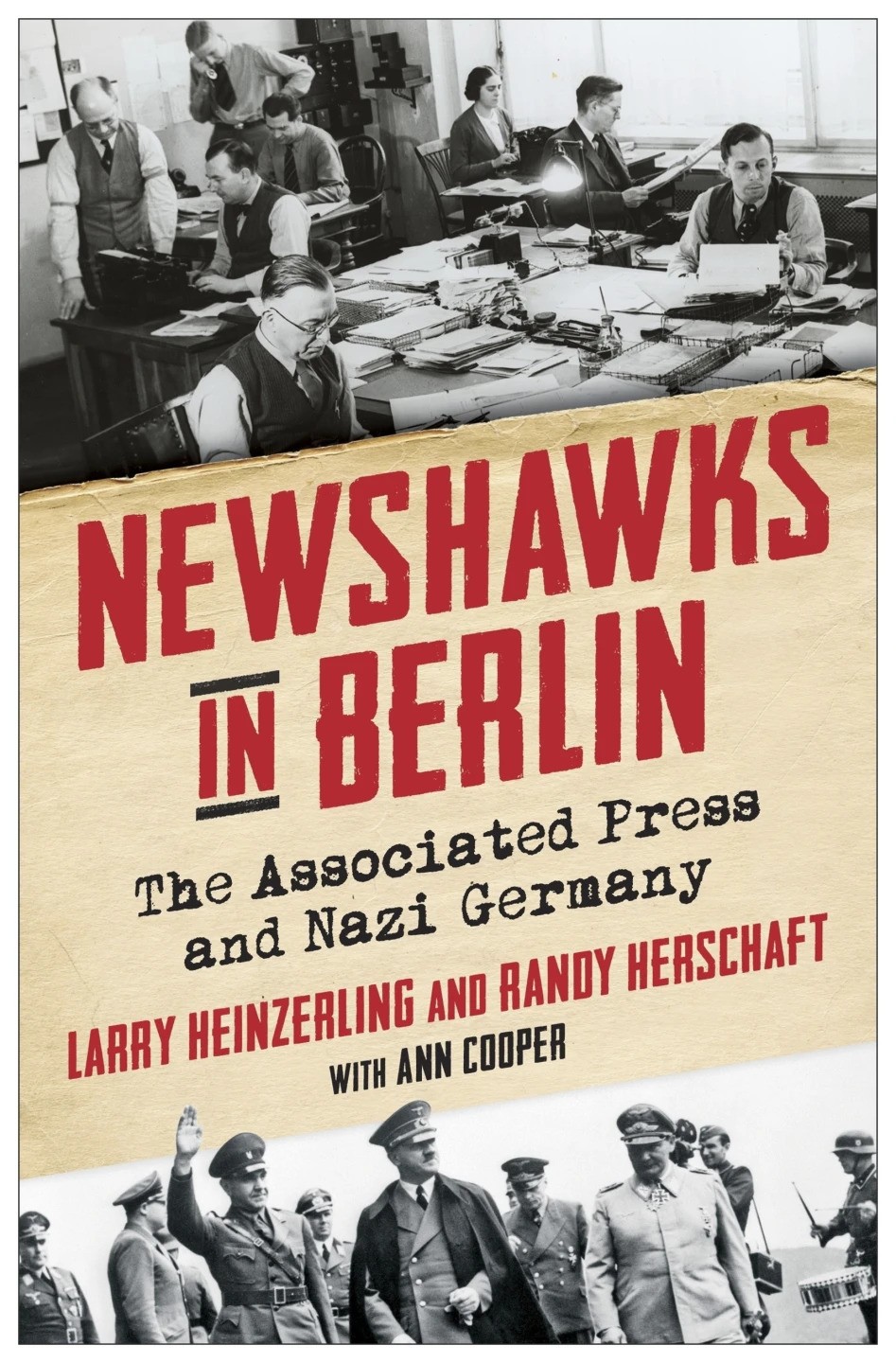
“Newshawks in Berlin: The Associated Press and Nazi Germany” is a riveting and infuriating exposé that delves into the dark underbelly of journalism during the rise of Adolf Hitler’s regime in Nazi Germany. Authored by AP veteran journalists Larry Heinzerling and Randy Herschaft, along with Columbia Journalism School professor emerita Ann Cooper, the book sheds light on the morally compromising role played by the Associated Press (AP), one of America’s most prominent news agencies, in covering the atrocities perpetrated by the Nazis.

Set against the backdrop of Hitler’s ascent to power in 1933, the book opens with a chilling account of the brutal treatment suffered by Jewish lawyer Michael Siegel at the hands of the Munich police. Siegel’s harrowing ordeal, captured in stark photographs that circulated widely in American newspapers, serves as a poignant reminder of the human cost of Nazi oppression. However, what sets this narrative apart is the revelation of the AP’s complicity in downplaying the atrocities committed by the Nazis.
Heinzerling and Herschaft meticulously unravel the intricate web of alliances and compromises that allowed the AP to maintain its access to Nazi-controlled Germany while sacrificing journalistic integrity and moral principles. Through meticulous research and compelling storytelling, the authors expose how the AP, driven by commercial interests and a desire to maintain its foothold in the lucrative German market, turned a blind eye to the persecution of Jews and the suppression of dissent under Hitler’s regime.
One of the most striking revelations in the book is the extent to which the AP’s photo service, a key component of its news distribution network, was manipulated and censored by Nazi authorities. The case of Michael Siegel, whose plight was captured in photographs syndicated by William Randolph Hearst’s media empire, highlights the ethical quandaries faced by journalists and news agencies as they navigated the treacherous waters of Nazi censorship.

Moreover, Heinzerling and Herschaft provide a damning indictment of the AP’s leadership, exposing their willingness to compromise journalistic ethics in pursuit of profit and access. The book offers a sobering reminder of the dangers of corporate influence and political expediency in shaping media coverage, particularly in times of crisis and moral reckoning.
The authors use the lens of Louis Lochner’s tenure as the Berlin bureau chief of the Associated Press (AP) as well as that of and Kent Cooper, the AP’s general manager in New York, as a case study while delving into the murky world of journalistic self-censorship amidst authoritarian regimes.
At the heart of the narrative lies the remonstrative cable from the AP’s headquarters, chiding Lochner for his refusal to purchase photographs depicting the public shaming of Siegel by Nazi storm troopers. Lochner’s justification for his decision epitomizes the moral quandaries faced by journalists in authoritarian environments, as he prioritized self-preservation and maintaining access over journalistic principles.
Heinzerling and Herschaft deftly navigate Lochner’s rationale for self-censorship, illuminating the delicate balancing act between upholding journalistic ethics and navigating the precarious terrain of Nazi-controlled Germany. Lochner’s admission of self-censorship underscores the chilling reality faced by journalists under authoritarian regimes, where the consequences of defiance can range from expulsion to imprisonment.

The book also includes an important but long-forgotten story: the death of AP war correspondent Joseph Morton, the only American reporter known to have been executed by the Nazis. The details of Morton’s death at the Mauthausen concentration camp in Austria were reported in July 1945 by Lynn Heinzerling, who was assigned to investigate after Morton disappeared while covering a secret OSS operation in Slovakia, a client state of Nazi Germany.
Drawing parallels to contemporary journalism, the authors highlight the pervasive nature of self-censorship in repressive regimes around the world, citing examples such as the imprisonment of Evan Gershkovich, (a journalist for the Wall Street Journal’s Moscow bureau), by the Putin regime for his unflattering coverage of Russia. Through these comparisons, Heinzerling and Herschaft give new meaning to the enduring relevance of Lochner’s plight and the broader implications of journalistic self-censorship in the face of tyranny.
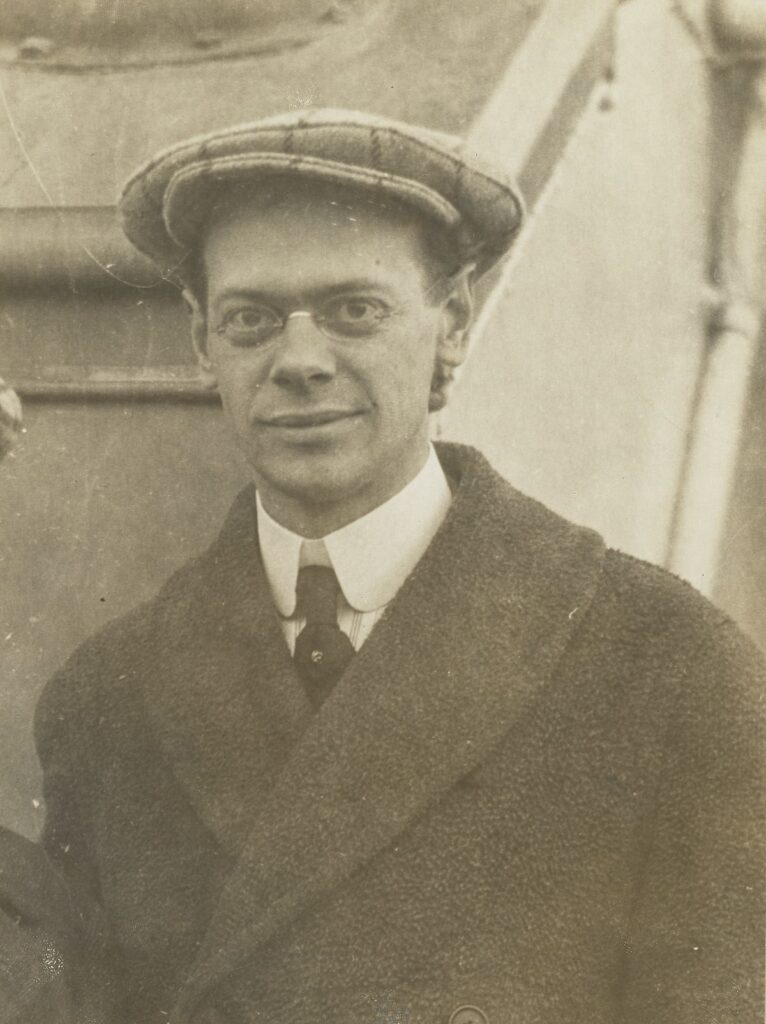
The authors thoroughly dissect the morally questionable decisions made by Lochner and Cooper. Cooper’s belief that journalists abroad were merely “guests” in their respective countries, coupled with Lochner’s willingness to comply with Nazi censorship and restrictions, laid the groundwork for the establishment of AP GmbH, a photo agency in Germany.
AP GmbH, staffed exclusively by Germans, many of whom were affiliated with the Waffen SS, operated under the auspices of the Nazi regime, supplying pre-vetted photographs of the war and German life to American newspapers. By acquiescing to Nazi censorship and providing a platform for propaganda, the AP effectively became complicit in perpetuating Hitler’s narrative and concealing the true horrors of his regime from the world.
Lochner and Cooper’s actions serve as a cautionary tale, highlighting the dangers of moral compromise and the imperative for journalists to uphold truth and integrity in the face of tyranny.
Moreover, the book raises profound questions about the role of journalism in holding power to account and safeguarding democratic values. By exposing the AP’s moral failings in Hitler’s Germany, Heinzerling and Herschaft compel readers to confront uncomfortable truths about the limits of journalistic independence and the ethical responsibilities of media organizations.
In conclusion, “Newshawks in Berlin” is a powerful and timely exploration of the ethical challenges faced by journalists and news organizations in confronting tyranny and injustice. By shining a light on the AP’s troubling legacy during the Nazi era, Heinzerling and Herschaft deliver a compelling call to action for journalists and citizens alike to uphold the values of truth, integrity, and accountability in the face of tyranny and oppression.