



|
Getting your Trinity Audio player ready...
|
By: Russ Spencer
In a dramatic shift reshaping the power dynamics of Hollywood, Paramount Pictures, under the newly installed leadership of David Ellison, has adopted a bold and unprecedented policy: the studio will no longer work with actors, filmmakers, or creative figures it deems “overtly antisemitic.” As reported by Variety Magazine, this decisive move signals a major cultural and moral turning point for the entertainment industry—one that redefines where free expression ends and institutional accountability begins.
According to the information provided in the Variety report, the decision follows months of internal debate within Paramount’s executive ranks over how the studio should respond to growing antisemitic rhetoric in Hollywood circles and to the politicization of the Israel-Hamas conflict in the creative community. The move comes at a time when the industry has been sharply divided over public statements made by prominent stars following the October 7, 2023, Hamas terror attacks and Israel’s subsequent military operations in Gaza.
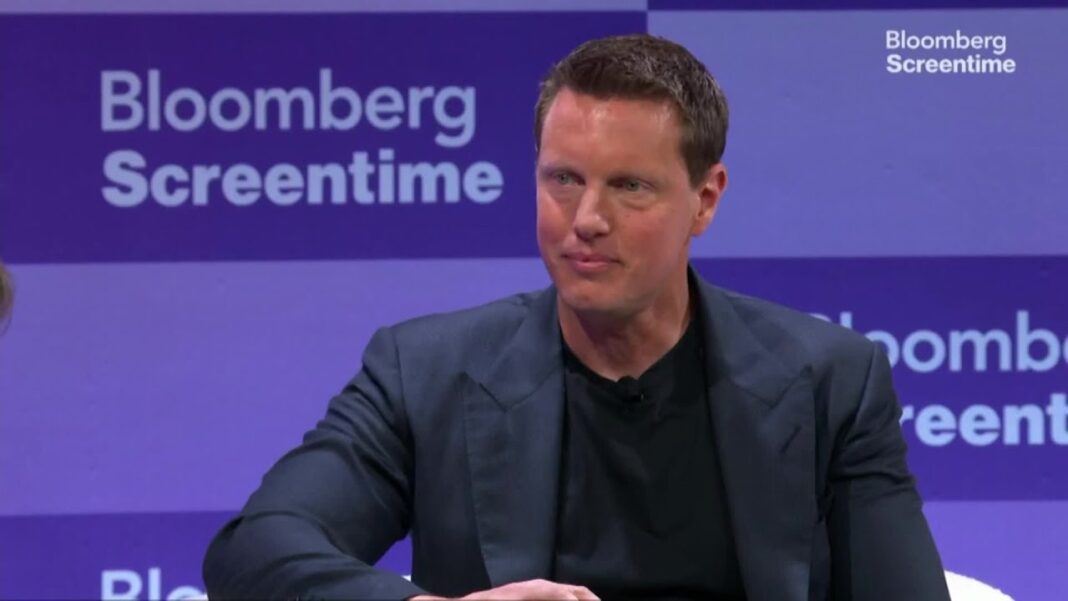
David Ellison, who assumed leadership of Paramount amid the company’s restructuring and merger with Skydance, has made clear that the studio’s identity under his tenure will differ sharply from that of its rivals. Sources close to the studio told Variety Magazine that Ellison is “determined to create a new Hollywood culture—one that values integrity as much as artistry.”
This ethos, executives say, extends to standing unequivocally against antisemitism and anti-Israel sentiment within the creative class. “Paramount is no longer in the business of moral ambiguity,” one senior executive reportedly told Variety. “We are in the business of telling stories that elevate humanity, not those that amplify hate or prejudice.”
The blacklist policy, according to insiders, applies to talent deemed to have crossed a red line—publicly endorsing, promoting, or participating in campaigns that vilify Israel or spread antisemitic tropes under the guise of political activism.
The defining moment, Variety Magazine noted, came in September, when Paramount became the first major Hollywood studio to publicly reject a widely circulated letter signed by dozens of actors, directors, and writers—including Emma Stone, Javier Bardem, Tilda Swinton, and Hiam Abbass—that called for a cultural boycott of Israeli film institutions. The letter accused Israel of committing “genocide and apartheid” against Palestinians and urged international filmmakers to sever ties with Israeli cultural organizations.
While many studios remained silent or sought to distance themselves quietly from the controversy, Paramount took the extraordinary step of issuing a public statement denouncing the letter’s premise. The studio affirmed Israel’s right to defend itself and condemned what it described as “a dangerous trend of equating a sovereign nation’s right to exist with oppression.”
According to the information contained in the Variety report, Ellison personally approved the language of the statement and insisted that Paramount “would not be intimidated by fashionable activism that demonizes an entire people or nation.” The statement, insiders say, sparked outrage in certain Hollywood circles but won broad praise from Jewish organizations, pro-Israel advocates, and industry figures who had grown alarmed by the normalization of antisemitic rhetoric disguised as “human rights advocacy.”
Soon after Paramount’s announcement, Warner Bros. followed suit, aligning itself with Ellison’s position—an unmistakable indication that Hollywood’s major studios may be entering a new era of moral recalibration.
As detailed in the Variety Magazine report, Paramount’s decision to establish what some executives internally call a “moral conduct list” began in the months following the Gaza letter controversy. The studio reportedly conducted a comprehensive review of talent contracts, social media behavior, and public statements made by actors, directors, and producers associated with its projects.
While Paramount has not released any formal list or named specific individuals, Variety cites multiple anonymous sources who confirmed that the studio’s legal and public relations departments have flagged several high-profile figures who “will not be considered for future Paramount productions.”
These decisions, executives told Variety, are not political but ethical. “This is not about silencing dissent,” one insider said. “It’s about making sure our company doesn’t provide platforms to people who normalize hate speech or lend legitimacy to antisemitic conspiracies.”
Paramount’s position, while groundbreaking, has also polarized Hollywood. Some within the industry have praised Ellison’s leadership as a much-needed corrective to the moral relativism that has too often defined Hollywood’s political discourse. Others, however, accuse the studio of overreach and censorship.
According to Variety, critics of the policy argue that conflating anti-Israel sentiment with antisemitism risks “chilling legitimate criticism of government policy.” Yet, defenders of the decision note that the line between criticism and hate has become dangerously blurred—especially in the wake of Hamas’s atrocities and the subsequent surge of antisemitic incidents worldwide.
One prominent entertainment lawyer told Variety that “Paramount’s stance is less about politics and more about corporate ethics. No studio wants to be associated with hate speech, and in today’s environment, antisemitism is being disguised as moral virtue.”
The implications of Paramount’s policy stretch far beyond one studio. For decades, Hollywood’s progressive image has often coexisted uneasily with underlying moral contradictions—professions of inclusivity on one hand, and silence in the face of rising antisemitism on the other.
In the months following the October 7 attacks, several major studios faced public backlash for their muted responses to the murder, rape, and kidnapping of Israeli civilians. While industry groups swiftly condemned racism, Islamophobia, and other forms of hate, their statements on antisemitism were often delayed or equivocal. Paramount’s public stand, Variety Magazine observed, was a watershed moment precisely because it broke that pattern of avoidance.
“It’s the first time in recent memory that a major Hollywood power has drawn a line in the sand,” wrote one Variety columnist. “By refusing to tolerate antisemitic behavior—even when cloaked in the language of activism—Paramount is redefining what corporate moral responsibility looks like in the entertainment industry.”
David Ellison’s tenure at Paramount appears poised to mark a fundamental departure from the studio’s past. Known for his hands-on leadership style and strategic pragmatism, Ellison is also deeply attuned to the power of symbolism. “This is about more than a blacklist,” one executive told Variety Magazine. “It’s about setting a standard for what kind of world Hollywood is helping to build.”
Under his guidance, Paramount is also said to be exploring new partnerships with Israeli filmmakers and Jewish organizations to promote cross-cultural storytelling and combat antisemitic narratives in global media. Insiders told Variety that the studio has quietly commissioned several film and television projects focused on Jewish resilience, Israeli innovation, and the universal struggle against hatred.
Such initiatives, Ellison reportedly believes, will not only strengthen Paramount’s global standing but also reaffirm its moral credibility at a time when the entertainment industry’s values are under intense public scrutiny.
For an industry long accused of moral inconsistency, Paramount’s actions represent a rare moment of clarity. By refusing to separate ethics from enterprise, Ellison’s Paramount has made a statement that reverberates well beyond the walls of the studio lot.
As Variety Magazine put it in its recent analysis, “Paramount is no longer content to be a mirror of culture—it intends to be an architect of it.”
In a town where reputations rise and fall with the tides of public sentiment, Paramount’s bold decision could either isolate the studio—or define it as a moral leader in a new era of cultural accountability. What’s certain, as Variety concluded, is that Hollywood is watching—and that the age of “business as usual” may be coming to an end.
Too bad he didn’t run for NYC Mayor. He would have gotten my vote. This is the type of leader we need.
Wonderful news that the goodness of the Jewish people will be broadcast to the public instead of the hateful lies. Bravo, David Ellison!