



|
Getting your Trinity Audio player ready...
|
More Looted Artworks by Egon Schiele Returned to the Family of Fritz Grünbaum by Two More Museums
Edited by: Fern Sidman
In a significant move towards rectifying historical injustices, the Allen Memorial Art Museum at Ohio’s Oberlin College and the Carnegie Museums of Pittsburgh have voluntarily agreed to return two valuable works by the Austrian artist Egon Schiele to the family of Fritz Grünbaum, as was reported on Thursday by the ArtNews.com web site. This decision comes in response to seizure warrants issued by the Manhattan District Attorney’s office last month, as part of an ongoing criminal investigation into the alleged theft of these artworks from Grünbaum, a Jewish art collector who was forced to liquidate his assets during his internment at the Dachau concentration camp in Germany, the ArtNews.com report said.
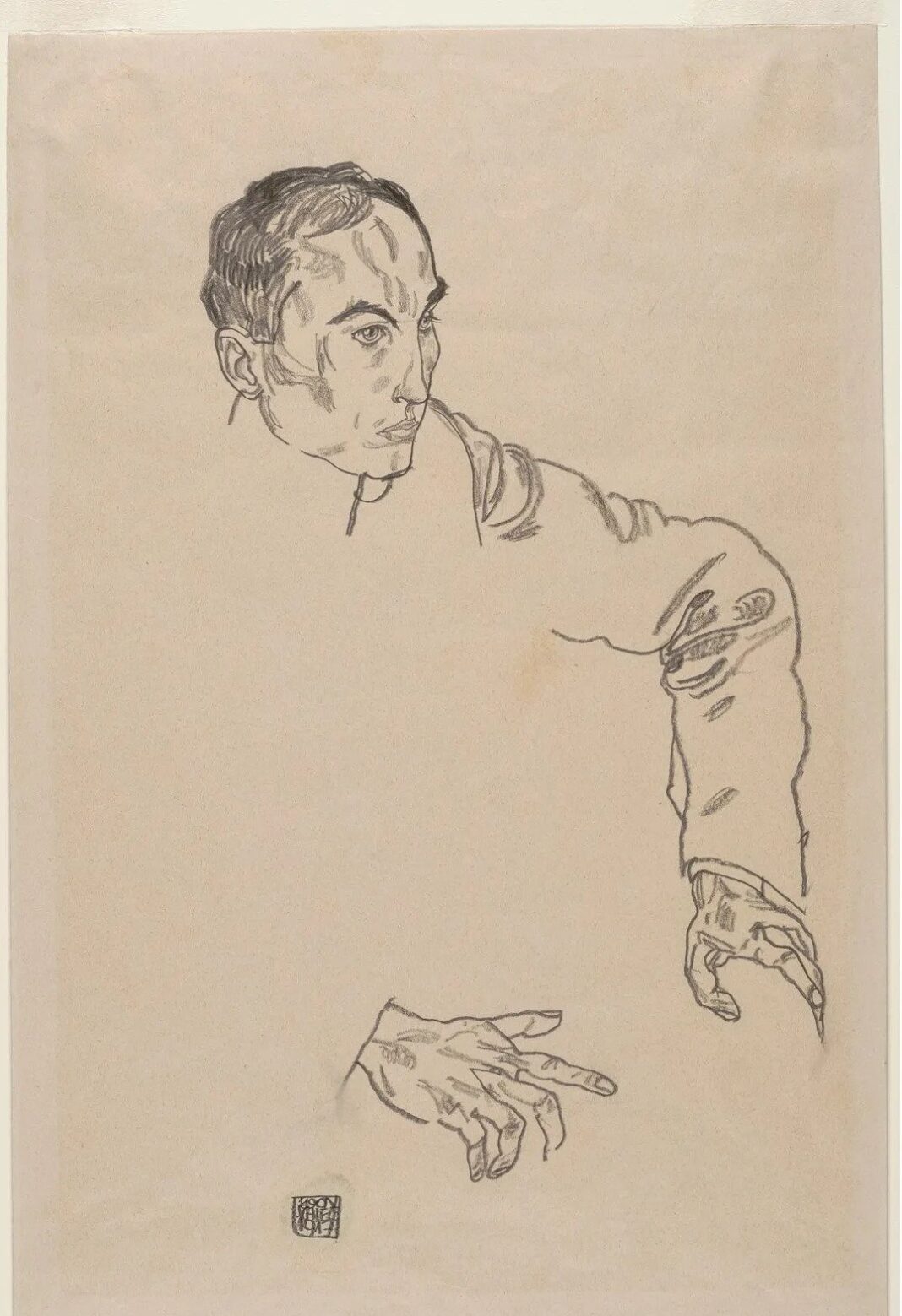
The two artworks in question are “Portrait of a Man” (1917), a pencil-on-paper drawing from the Carnegie Museum of Art, and “Girl With Black Hair” (1911), a watercolor-and-pencil on paper piece from Oberlin’s Allen Memorial Art Museum, ArtNews.co, reported. Both works, valued for their artistic significance and historical context, were instrumental in shedding light on a dark chapter in art history.
Fritz Grünbaum’s legacy as an art collector and victim of Nazi oppression has played a pivotal role in this unfolding narrative. Before his internment at Dachau and his subsequent death in 1941, Grünbaum had amassed a formidable art collection that included nearly 500 pieces, with approximately 80 works by Egon Schiele. Grünbaum’s life and art collection were tragically disrupted by the horrors of the Holocaust, as was reported by the ArtNews.com web site.
The Manhattan District Attorney’s office began investigating these artworks after receiving a request from Fritz Grünbaum’s heirs in December. ArtNews.com reported that the heirs sought an investigation into Schiele’s works that were either in New York or had been bought and sold by American art dealer Otto Kallir. They believed these works could be considered stolen property, according to New York law. ArtNews.com also reported that a crucial turning point in the case came in 2018 when a judge ruled that Grünbaum could not have voluntarily sold these works during his internment.
On September 20, the Manhattan District Attorney’s office held a ceremony to return seven additional works by Egon Schiele to three of Grünbaum’s heirs. ArtNews.com reported that these artworks had been held by private collectors and various museums, including the Museum of Modern Art, the Morgan Library & Museum, and the Santa Barbara Museum of Art. The returned works carry an estimated value ranging from $780,000 to $2.75 million, highlighting their artistic and historical significance, the report added.
Among the returned artworks were pieces like “Prostitute” (1912) and “Girl Putting on Shoe” (1910) from the Museum of Modern Art, “Portrait of the Artist’s Wife, Edith” (1915) from the Morgan Library, and “I Love Antithesis” (1912) from Ronald S. Lauder, the president of the World Jewish Congress, who is an avid collector of fine art, the ArtNews.com report said. The Sabarsky estate also returned two works: “Portrait of a Boy (Herbert Reiner)” (1910) and “Seated Woman” (1911).
Manhattan District Attorney Alvin Bragg emphasized the importance of these restitutions, stating, “The evidence makes clear the two drawings were stolen by the Nazis and subsequently transported into Manhattan, before landing in these museums,”ArtNews.com reported. He expressed pride in returning these Egon Schiele drawings to Grünbaum’s relatives, reaffirming the importance of acknowledging the legacy and the indelible mark left by Fritz Grünbaum.
As the art world grapples with restitution cases like this, it underscores the significance of addressing historical injustices, acknowledging the dark chapters of history, and ensuring that stolen artworks are rightfully returned to their rightful heirs. The art community continues to reflect on how best to honor the memory of victims like Fritz Grünbaum and uphold justice in the world of art and culture.