















Trump Says Israel Could Be Left to Confront Iran Alone if Fighting Intensifies
By: Fern Sidman
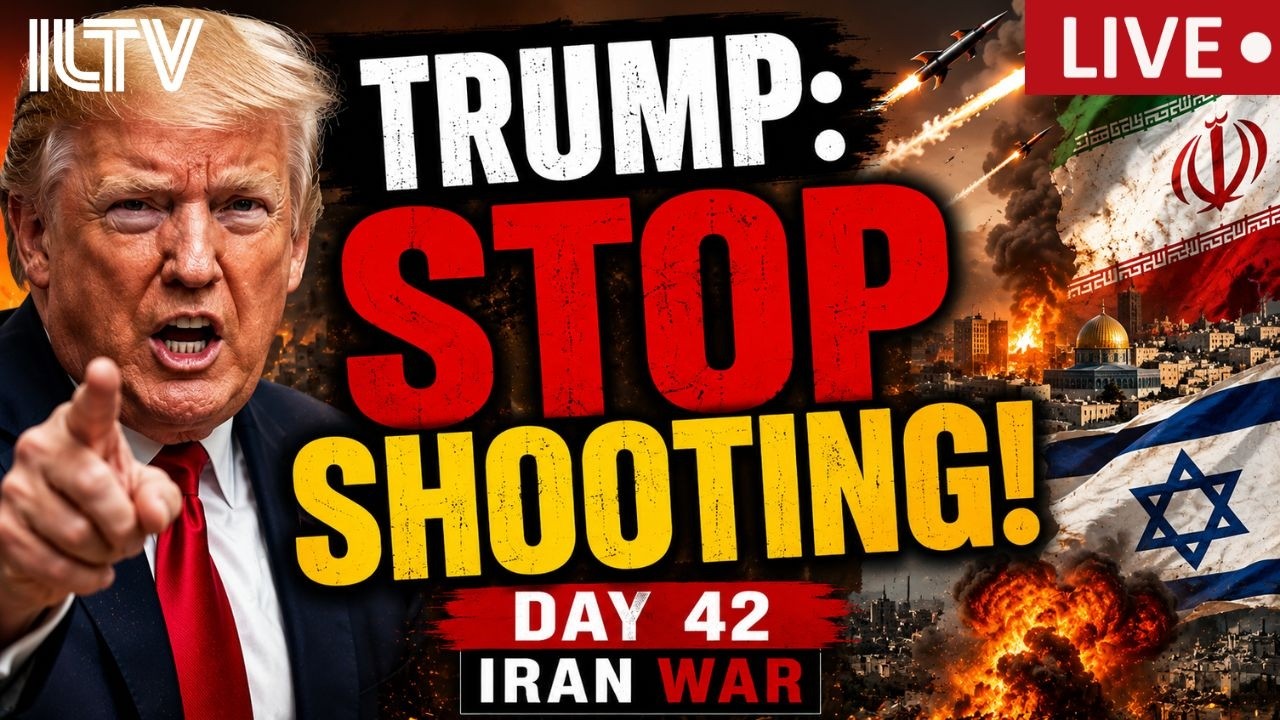
President Donald Trump has issued a stark warning to Israel regarding the potential consequences of expanding military operations against Iran, signaling growing concern within Washington that continued escalation could trigger a broader regional confrontation and jeopardize delicate diplomatic efforts currently underway across the Middle East.
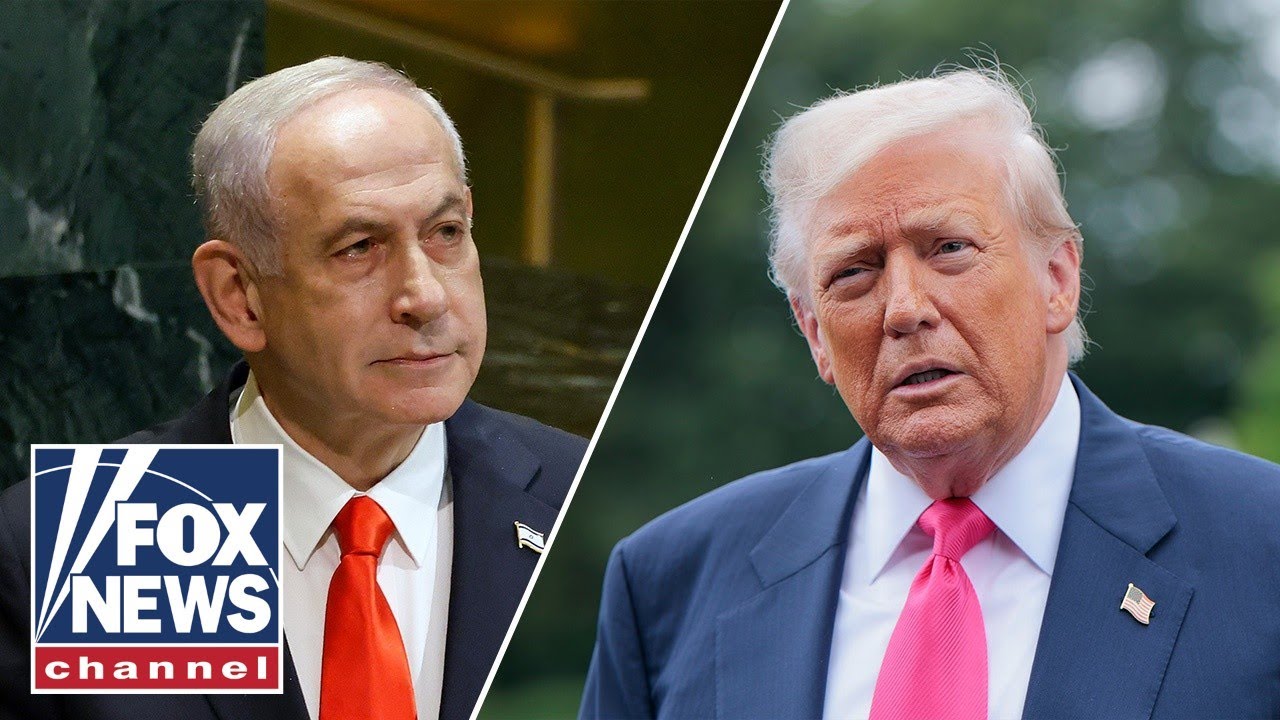
According to a report on Monday at Newsmax, Trump conveyed the message directly to Israeli Prime Minister Benjamin Netanyahu during a high-level telephone conversation over the weekend, as tensions intensified following exchanges involving Israel, Iran, and Iranian-aligned forces operating throughout the region.
The warning represents one of the clearest indications yet that the Trump administration is seeking to balance its longstanding support for Israel with a parallel determination to prevent a wider conflict that could engulf multiple countries and undermine ongoing diplomatic initiatives.
As reported by Newsmax, Trump cautioned that Israel could ultimately find itself “on its own” should it continue expanding military operations in ways that risk transforming a contained confrontation into a far broader regional war.
The president’s comments underscore the increasingly complex strategic calculations confronting policymakers in both Washington and Jerusalem as they navigate one of the most volatile security environments in recent years.
At the heart of the issue lies a fundamental challenge that has long shaped United States policy in the Middle East: how to support a key ally’s security interests while simultaneously preventing military developments from spiraling into a conflict that could destabilize the entire region.
According to the Newsmax report, Trump has become increasingly focused on preserving diplomatic channels connected to Iran while maintaining pressure on Tehran regarding its nuclear ambitions, missile programs, and broader regional activities.
Administration officials reportedly view continued diplomacy as an important component of any long-term strategy aimed at reducing tensions and avoiding a sustained military confrontation.
The latest warning emerged against the backdrop of continued hostilities involving Israeli forces and Iranian-linked actors operating across multiple fronts.
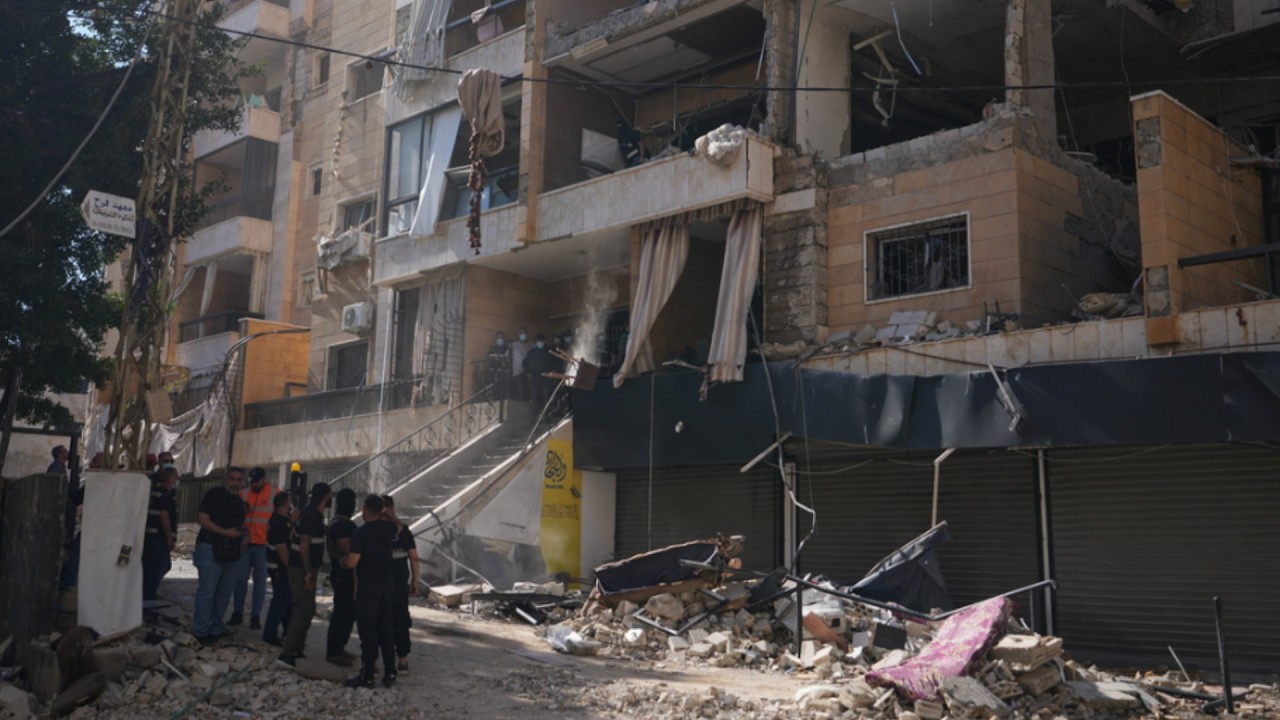
Military exchanges and retaliatory actions have contributed to an atmosphere of persistent uncertainty, with developments in Lebanon, Syria, and other regional theaters fueling concerns that a localized crisis could rapidly expand.
Newsmax reported that Washington remains particularly concerned about the possibility that additional military operations could derail ongoing negotiations and complicate efforts to establish a more stable security framework throughout the region.
Trump has repeatedly emphasized that restraint is necessary to preserve diplomatic leverage and maintain international support. According to the Newsmax report, the president believes that military actions undertaken without broader strategic coordination could create circumstances in which Israel faces increasing political isolation if the conflict widens significantly.
Such concerns are not limited to military considerations alone. A broader regional war could have profound implications for global energy markets, international commerce, regional alliances, and the overall security architecture of the Middle East. For that reason, policymakers in Washington have devoted considerable attention to preventing further escalation while continuing to support Israel’s right to defend itself against threats.
Nevertheless, Israeli leaders have consistently maintained that national security decisions must remain firmly in Israeli hands. Prime Minister Netanyahu has repeatedly argued that Israel faces unique security challenges that require flexibility, independence, and the ability to act decisively when necessary. According to the Newsmax report, Netanyahu has resisted external pressure to curtail military operations that Israeli officials believe are necessary to counter Iranian influence and capabilities.
The Israeli leader has long maintained that Iran’s nuclear activities, missile development programs, and support for regional proxy organizations constitute serious strategic threats. As a result, Israeli officials frequently argue that delays or excessive caution could create risks that become more difficult to address in the future.
The Newsmax report noted that Netanyahu has repeatedly emphasized Israel’s determination to preserve full operational freedom of action. From the Israeli perspective, maintaining the ability to act independently remains a core element of national defense policy.
In previous remarks highlighted by Newsmax, Netanyahu stressed that Israel would not subordinate critical security decisions to outside actors when confronting dangers it views as existential. Those comments reflected a longstanding doctrine that has guided Israeli strategic thinking for decades.
Israeli leaders across multiple administrations have often emphasized the principle that Israel must retain the capacity to defend itself by itself if circumstances require. This philosophy has played a significant role in shaping Israel’s approach to regional security challenges and continues to influence decision-making regarding Iran. The differences in emphasis between Washington and Jerusalem do not necessarily indicate a breakdown in relations. Rather, they reflect distinct strategic priorities that sometimes emerge even among close allies.
Newsmax reported that Trump’s administration continues to support Israel while simultaneously pursuing broader regional objectives that include diplomatic engagement, de-escalation, and the prevention of a larger war. This balancing act has become increasingly difficult as events unfold across multiple fronts. The challenge for American policymakers lies in reconciling support for Israel’s security concerns with the desire to avoid circumstances that could pull additional countries into a prolonged conflict.
Meanwhile, Israeli officials remain focused on immediate threats and the need to preserve deterrence. These differing perspectives have occasionally produced friction regarding timing, escalation management, and the appropriate scope of military action. Newsmax reported that such disagreements are not unprecedented.
Throughout the history of the U.S.-Israel alliance, periods of close cooperation have sometimes been accompanied by debates over military strategy, diplomacy, and regional priorities. What makes the current situation particularly significant is the speed with which developments could potentially escalate.
The regional environment remains exceptionally volatile. Iranian officials have repeatedly indicated that they are prepared to respond to attacks against Iranian interests. Similarly, Israeli leaders have made clear that they will not hesitate to retaliate if Israeli territory or citizens come under threat. This dynamic has created a delicate and potentially dangerous equilibrium in which deterrence and escalation are closely intertwined.
Iranian-aligned organizations continue to maintain active presences across several regional flashpoints, including Lebanon and Syria. These groups add additional layers of complexity to an already intricate security landscape. Actions taken by one actor can quickly generate reactions from multiple others, increasing the difficulty of containing crises once they begin.
The possibility of miscalculation remains a constant concern among regional analysts and international policymakers. Even limited military incidents can acquire broader significance if they occur within an atmosphere of heightened tension and mutual suspicion. The Newsmax report emphasized that despite ongoing diplomatic messaging, neither side has signaled a willingness to forgo retaliation entirely.
Both Israeli and Iranian officials have indicated that future attacks would likely prompt responses. Such statements reinforce the reality that the current period of relative calm remains fragile. The broader question facing policymakers is whether diplomacy can create sufficient space to reduce tensions before another triggering event occurs. Trump appears convinced that preventing further escalation is essential to preserving that opportunity. His warning to Netanyahu reflects a belief that the coming weeks may prove decisive not only for U.S.-Iran relations but also for the overall stability of the Middle East.
Whether that strategy succeeds remains uncertain. The region has repeatedly demonstrated its capacity for sudden and unexpected developments. Nevertheless, according to the Newsmax report, the administration remains committed to pursuing a path that combines deterrence, diplomacy, and strategic restraint.
For Israel, the challenge remains ensuring that national security interests are protected without becoming drawn into a broader conflict whose consequences could be difficult to predict.
For the United States, the challenge is preserving its alliance with Israel while preventing military developments from overwhelming diplomatic efforts.
As Newsmax has reported throughout the evolving crisis, the coming days and weeks may prove critical in determining whether the region moves toward greater stability or returns to a cycle of escalation and confrontation. For now, leaders in Washington, Jerusalem, and Tehran remain engaged in a high-stakes strategic contest in which every decision carries implications far beyond the immediate battlefield. The outcome of that contest may shape the future security landscape of the Middle East for years to come.