


















The numbers are staggering. The symbolism is devastating. The leadership vacuum is unmistakable.
According to recently released New York Police Department statistics, antisemitic hate crimes in New York City surged by 71% during May 2026 compared with the same month a year earlier. Jews, who comprise approximately 10% of the city’s population, were the targets of roughly 60% of all confirmed hate crimes during that period.
These figures should have triggered an immediate, forceful, and unequivocal response from City Hall.
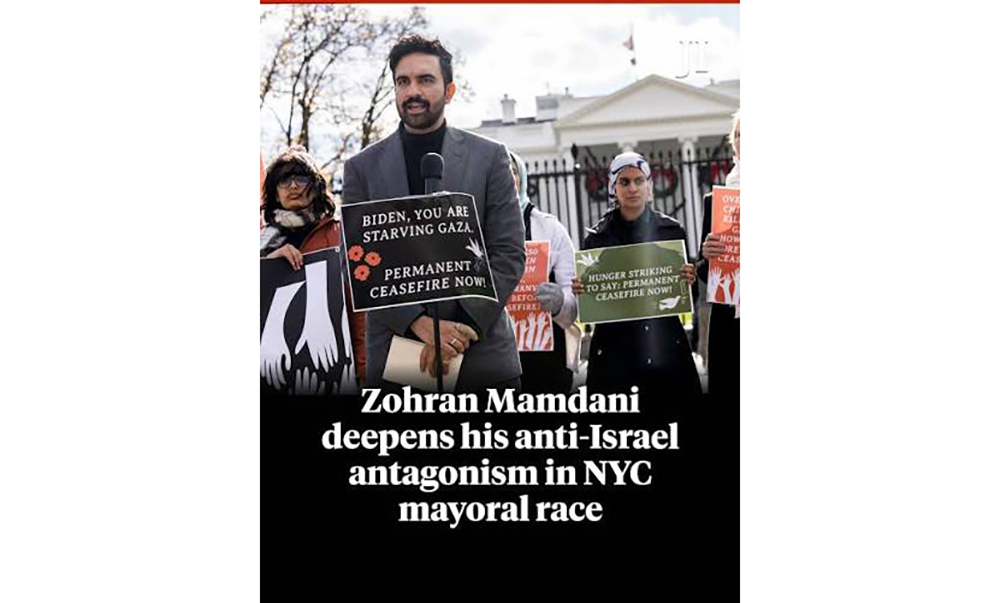
Instead, New York City’s Jewish community continues to witness a mayor whose actions, priorities, and political messaging have repeatedly alienated, marginalized, and alarmed many of the very people he was elected to serve.
Mayor Zohran Mamdani’s defenders routinely insist that criticism of Israel is not antisemitism. That is patently false. The issue confronting New York today is not whether political disagreement with Israel should be permitted.
The issue is whether New York’s mayor has demonstrated the moral clarity necessary to confront the unprecedented surge of antisemitism unfolding under his watch. The evidence increasingly suggests that he has not.
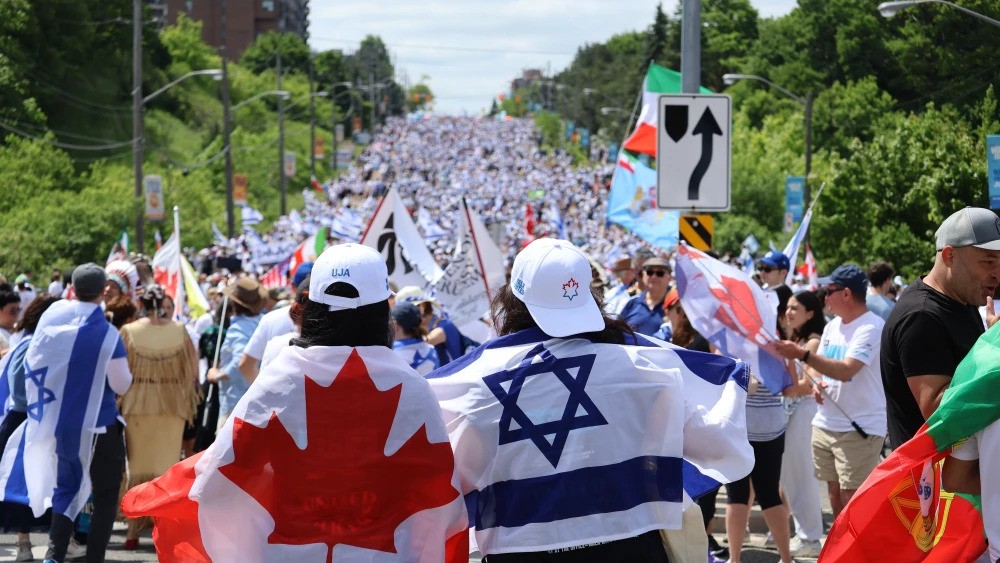
Perhaps no recent event better illustrates the growing chasm between City Hall and New York’s Jewish community than Mamdani’s extraordinary decision to boycott the Israel Day Parade on Fifth Avenue—a civic tradition that every sitting New York City mayor had attended since its inception in 1964. His absence marked a dramatic break with more than six decades of mayoral precedent and generated widespread controversy across the political spectrum.
At a moment when Jewish New Yorkers were confronting record levels of antisemitic hostility, many viewed the parade not merely as a celebration of Israel but as an affirmation of Jewish identity, solidarity, and belonging within the city itself.
Yet Mamdani chose not to attend.
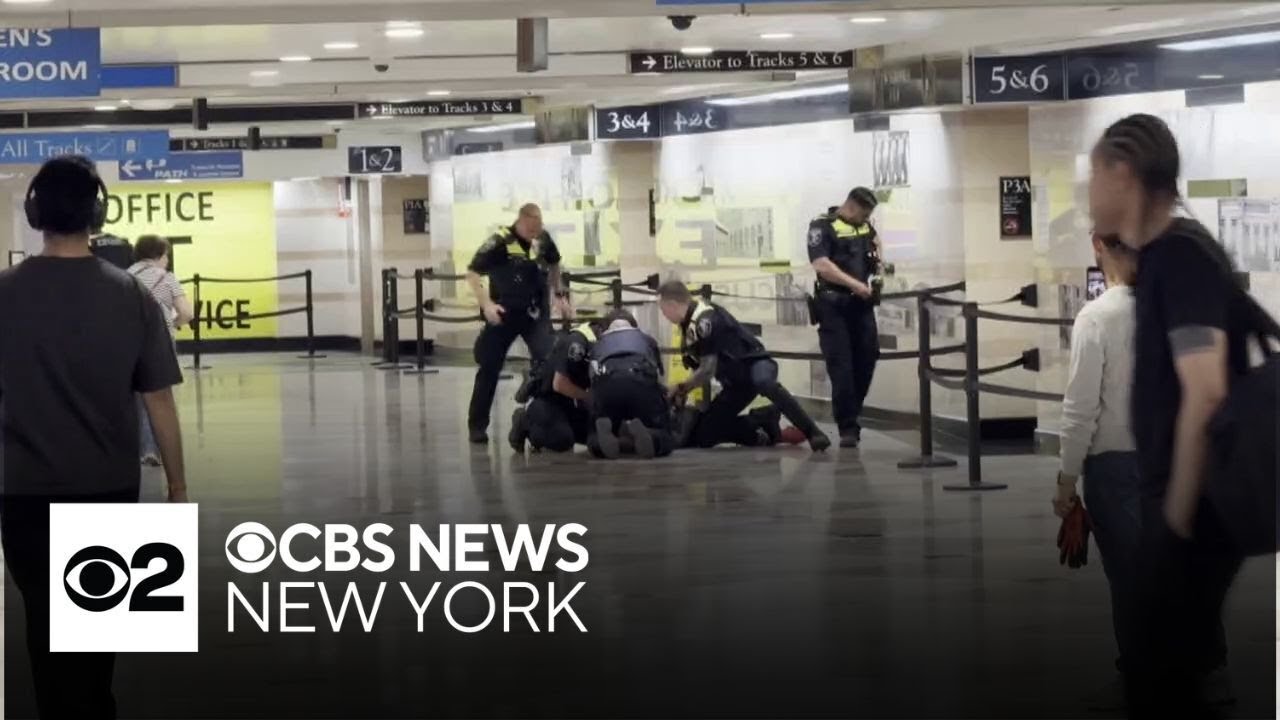
The perception of indifference deepened even further only days later following a horrifying antisemitic assault aboard a Manhattan subway train. A 23-year-old Orthodox Jewish woman was brutally attacked by Bronx resident Diana Smith, who, according to police and multiple news reports, shouted grotesque antisemitic slurs before allegedly choking the victim, throwing her to the ground, and ripping out a clump of her hair.
The victim later described the ordeal as a traumatic hate crime directed at her because she was visibly Jewish. Authorities charged Smith with hate-crime assault, hate-crime criminal obstruction of breathing, and aggravated harassment. Yet as the incident generated outrage across New York’s Jewish community, Mayor Mamdani faced mounting criticism for remaining publicly silent in the immediate aftermath of the attack.
Jewish organizations, community advocates, elected officials, and commentators questioned why the city’s chief executive had not forcefully condemned an assault that was emblematic of the alarming rise in antisemitic violence throughout the city.
Silence, particularly from those entrusted with public leadership, is rarely interpreted as neutrality. When a young Jewish woman is attacked in broad daylight on a New York City subway while being subjected to medieval antisemitic blood-libel rhetoric, citizens expect their mayor to respond swiftly and unequivocally. The absence of such a response only reinforced the growing perception among Jewish New Yorkers that antisemitism is not receiving the urgency, visibility, and sustained attention that the crisis demands. At a moment when antisemitic incidents constitute a disproportionate share of all hate crimes in the city, that perception has become politically and morally consequential.


